Key Points
- Pakistan has secured energy supplies through November and plans for higher winter demand.
- The government will avoid expensive spot liquefied natural gas unless necessary.
- Finance Minister Aurangzeb says attacks on Gulf energy infrastructure could delay a return to economic normalcy.
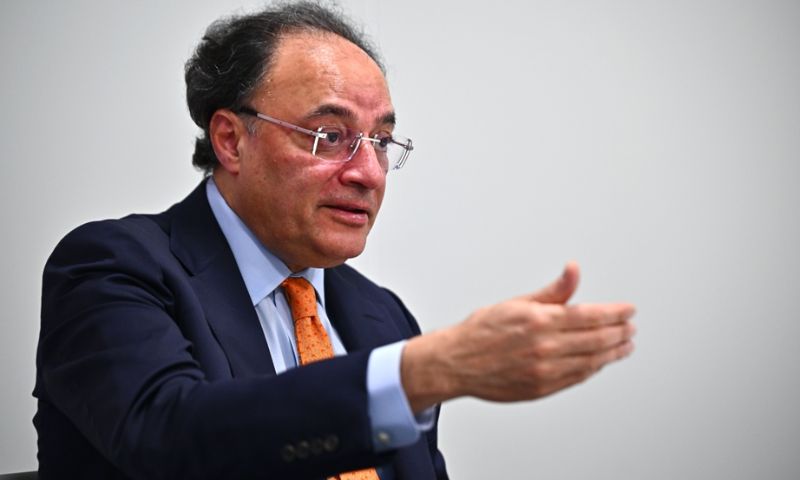
ISLAMABAD: Pakistan has secured sufficient energy supplies through November and is preparing for higher winter demand, but continued attacks on energy infrastructure in the Gulf could prolong economic disruption, Finance Minister Muhammad Aurangzeb has warned.
Aurangzeb said Pakistan had secured sufficient energy supplies through November and was now planning for the winter months, when household demand typically rises.
“The first-order impact has been negotiated well by Pakistan,” he told AFP in an interview on the sidelines of the IMF and World Bank annual meetings in Bangkok,
The country had experienced no energy shortages, queues at petrol stations or resulting law and order problems.
Aurangzeb said the government would avoid purchasing spot liquefied natural gas (LNG) cargoes, which are generally more expensive than supplies secured under existing contracts, unless there is an “absolute dire need”.
However, he warned that continued attacks on energy infrastructure across the Gulf could prolong the disruption even if hostilities subsided.
“What is now (the) worrying part of it is when the energy infrastructure starts getting hit,” he said.
“If the infrastructure continues to get hit, the return to normalcy, even if things subside, will take longer.”
The remarks coincide with the US-Israel war on Iran, which began in February and has driven up global energy prices.
Tehran’s retaliatory actions have targeted US allies in the Gulf and disrupted regional oil and gas supplies.
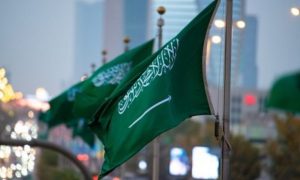
Yemen’s Houthi rebel militia has also stepped up attacks on Saudi infrastructure, including energy facilities and airports, in recent days.
For Pakistan, which relies heavily on imported energy, prolonged disruption could increase import costs and complicate efforts to maintain economic stability.
Fiscal consolidation and tax reforms
Aurangzeb said Pakistan was better placed to manage the immediate economic shock because it had been pursuing fiscal consolidation for some time.
The country entered its 25th programme with the International Monetary Fund since independence in 1947.
Its current three-year programme is worth about $7 billion, with the Fund agreeing this month to release a further $1.2 billion tranche.
Amid elevated global debt and mounting economic pressures, the IMF has urged governments to strengthen public finances, including those most exposed to the economic consequences of the Iran war.
“Fortunately for us, we have been on this fiscal consolidation path for a while,” Aurangzeb said.
READ ALSO: Pakistan Eyes New Bond Markets To Reduce Reliance On Traditional Financing
He said tax revenues had increased significantly in recent years. But the government was seeking to curb tax evasion by businesses that collected sales tax from consumers but failed to transfer the money to the national exchequer.
Aurangzeb said the practice involved billions of dollars and that there was also room to improve income tax collection.
The government’s reform agenda, however, had faced resistance from industrial groups, lobbyists and other vested interests.
“Every reform, everything that you try to do when you try to change the status quo, there is pushback,” he said.
State-owned businesses
Privatisation of state-owned enterprises is a key element of Pakistan’s commitments under the IMF programme.
The finance minister’s comments underline the government’s immediate priority of containing the repercussions of the energy shock.
At the same time, it continues fiscal reforms and manages the risks posed by prolonged instability in the Gulf.
Pakistan’s ability to avoid more expensive energy purchases and sustain economic stability will depend partly on the conflict’s longevity and whether attacks on regional infrastructure continue.