


Key Points
- Joint Feasibility Study Group to assess economic implications
- Both sides highlight strong potential for trade and investment growth
- Cooperation to extend beyond trade into logistics, energy and digital sectors
ISLAMABAD: Pakistan is stepping up efforts to secure preferential trade access with emerging regional blocs as part of its strategy to expand exports, diversify markets and strengthen economic resilience.
In this context, a high-level virtual meeting was held between the Federal Minister for Commerce, Jam Kamal Khan, and the Eurasian Economic Commission Trade Minister, Andrey Slepnev, to deepen economic engagement with the Eurasian Economic Union, according to a commerce ministry statement.
The meeting, in a constructive atmosphere, underscored a shared commitment to strengthening trade and investment ties.
Both sides agreed to establish a Joint Feasibility Study Group to evaluate the economic implications of a preferential trade arrangement.
The process will follow respective legal procedures and is expected to inform future negotiations on a formal agreement.
The Eurasian side emphasised its interest in enhancing relations with South Asia, identifying Pakistan as a key prospective partner in the region.
The statement quoted Slepnev as saying that trade between the two sides is developing dynamically and holds significant potential for further expansion, reflecting growing economic complementarities.
Pakistan views cooperation with the bloc as a strategic partnership extending beyond trade, encompassing logistics, energy cooperation, digital trade, industrial collaboration and supply chain integration, the Minister highlighted.
The two sides reaffirmed their readiness to work closely in a constructive and forward-looking manner, noting strong prospects for expanding trade and investment cooperation in the coming years.
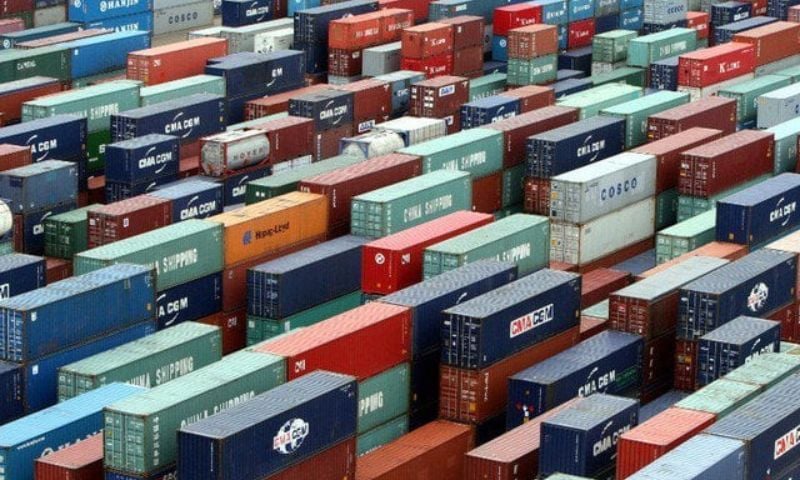
Trade between Pakistan and the Eurasian bloc has shown steady growth in recent years, according to a trade ministry official.
The recent expansion in trade primarily involves exchanges in textiles, agricultural products and energy-related commodities, with both sides acknowledging significant untapped potential, he added.