
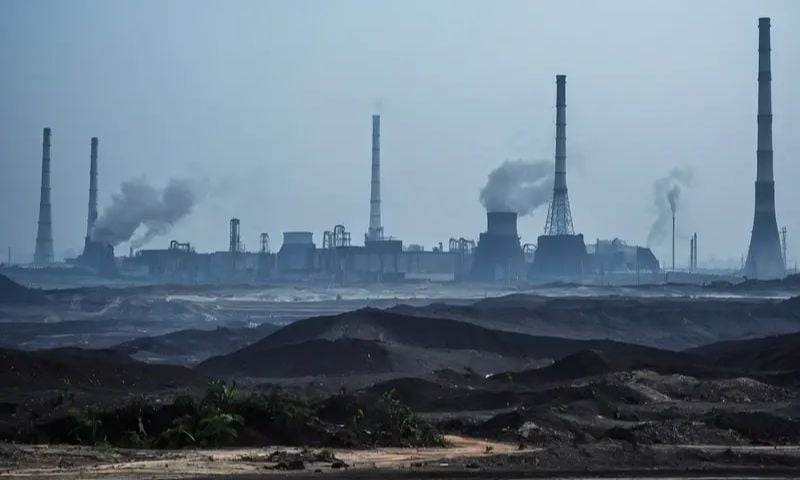
NEW DELHI: One third of India’s coal-fired power plants are facing critically low fuel stocks despite government efforts to increase supplies, as prolonged hot weather keeps electricity demand elevated, government data showed.
The number of power plants with critically low coal stocks – less than 25% of their required inventory or enough to generate electricity for fewer than three days – rose to 59 on September 9 from 45 at the end of August, data from the Central Electricity Authority showed.
India’s peak power demand, which measures the maximum electricity requirement, has remained close to the record 270.70 gigawatts (GW) reached in May. Demand has consistently reached around 267 GW in recent days, driven by increased cooling needs amid an El Niño weather pattern.
While clean energy, particularly solar power, is meeting a significant share of daytime electricity demand, limited battery storage and lower water reservoir levels are putting additional pressure on coal-fired generation, analysts said.
“The increasing number of power plants with lower coal stocks is a concern,” said Manoj Kumar, an analyst at the Centre for Research on Energy and Clean Air. In the immediate term, India should increase coal supplies to power utilities through the rail network to maintain normal stock levels, Kumar said.
READ ALSO: India’s Poor Return to Wood Fire as Iran War Badly Hits Gas Supply
India deployed 444 coal trains, or rakes, on September 6 to boost supplies to power plants, up from 370 on September 3. Coal India and its subsidiaries have also increased coal shipments by road. Coal India, the largest coal miner, said it continued to hold adequate stocks of about 76 million metric tonnes at its pitheads.
The sharp rise in power plants facing critically low coal stocks points to shortcomings in India’s preparedness to meet sustained electricity demand during periods of extreme heat.
If coal supplies are not replenished quickly, the worsening fuel shortage could put further pressure on power generation in the coming days, increasing the risk of supply disruptions, higher electricity costs and greater reliance on emergency measures.
With demand already close to record levels, any prolonged shortfall in coal availability could expose vulnerabilities in India’s power system and intensify pressure on consumers and industry.