MUSCAT: The Sultanate of Oman has announced the opening of temporary maritime routes in the strategic Strait of Hormuz and confirmed that no transit tolls will be imposed on vessels, as part of emergency measures aimed at maintaining safe navigation amid ongoing regional instability.
According to an official notice to mariners, Oman has designated two alternative shipping corridors to the north and south of the existing traffic separation lanes. The decision comes as the traditional routing system has been declared unsafe due to heightened security risks and increased disruption to commercial shipping in the area.
The move has been taken in coordination with the International Maritime Organization (IMO), which is overseeing a phased operational plan to regulate vessel movements through the waterway. Under this arrangement, ships leaving the region will be grouped and given individual instructions on departure timings and assigned routes.
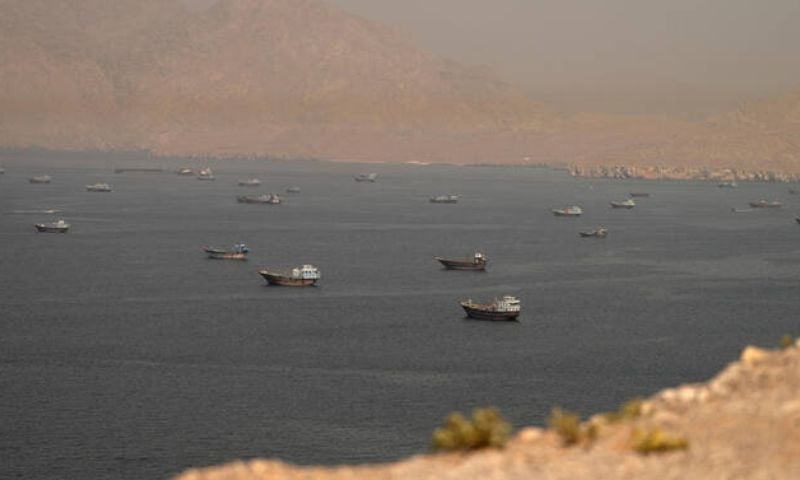
Omani authorities said vessels will first be directed to a designated holding area in international waters before being cleared to proceed through the strait via controlled convoys. The system is intended to reduce collision risks and ensure orderly traffic flow in the congested and sensitive maritime corridor.
The Strait of Hormuz, which handles around one-fifth of global oil and liquefied natural gas shipments, has experienced significant disruption in recent months amid escalating regional conflict. The unrest has sharply affected shipping schedules and heightened concerns over energy supply stability.
Oman reiterated its commitment to freedom of navigation, international maritime law, and the safety of global trade routes. It also said the measures reflect understandings reached in recent diplomatic discussions involving the United States and Iran.
As part of the interim arrangement, vessels transiting via Oman’s eastbound corridor must maintain continuous communication with coastal monitoring authorities and comply strictly with navigational instructions. Ship operators remain responsible for conducting their own risk assessments prior to passage. All ships are required to keep their Automatic Identification System (AIS) active throughout transit and promptly report any hazards to the Oman Maritime Security Centre.
Officials added that discussions are ongoing between Oman and regional stakeholders on the long-term administration of navigation services in the waterway, including potential cost frameworks once the temporary toll-free arrangement expires.