
Key Points
- Strait of Hormuz disruptions keep geopolitical premium intact
- Trump’s China visit ends without a shift in Iran-related outlook
- Markets see limited impact on Chinese stance toward Iranian oil
- Equities remain steady on tech and AI-led gains
ISLAMABAD: Oil prices held firm above $107 a barrel on Friday as markets assessed the outcome of US President Donald Trump’s visit to China, which left the outlook for Iran stand-off, persistent supply risks and Strait of Hormuz disruptions largely unchanged.
Brent crude traded above $107 during Asian hours, while West Texas Intermediate remained near $101, supported by continued concerns over constrained shipping flows through the Strait of Hormuz, a key corridor for global oil trade.
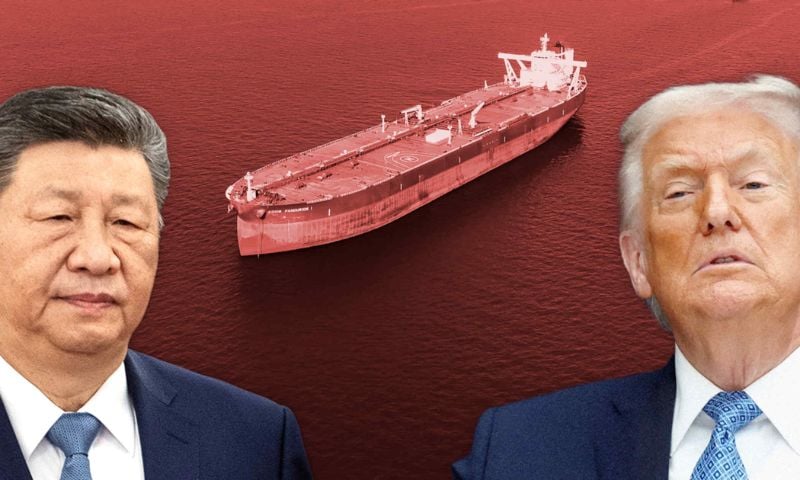
Trump’s discussions with Chinese President Xi Jinping concluded without any clear shift in Beijing’s position on Iranian crude imports or any visible progress on easing Middle East tensions, leaving the geopolitical risk premium in oil markets intact.
Traders said the absence of new diplomatic signals reinforced existing expectations rather than altering them. Thus, the oil prices remain anchored to supply-side risks rather than broader macroeconomic sentiment.
The Strait of Hormuz continues to act as the central driver of price support, with uncertainty over maritime security keeping crude elevated even as demand concerns persist in parts of the global economy.
Equity markets, however, remained broadly stable, with technology and artificial intelligence stocks helping offset inflation concerns tied to higher energy costs.
Analysts said markets are increasingly split, with oil dominated by geopolitical supply risks and equities driven more by earnings momentum and sector-specific strength.
With no immediate diplomatic breakthrough emerging from Beijing, traders said attention has now shifted back to developments in the Middle East, where any escalation or easing in tensions is likely to determine the next move in crude prices.