
Key Points
- Brent crude climbed to a five-month high after renewed attacks on Saudi Arabia deepened concerns over Middle Eastern oil supplies.
- Threats to shipping through the Strait of Hormuz and the Red Sea sustained the geopolitical premium despite early-week profit-taking.
- Brent headed for a third consecutive weekly gain, while US crude was on course to end its two-week winning streak.
ISLAMABAD: International oil prices extended their rally this week after renewed Houthi attacks on energy infrastructure, threats to commercial shipping and persistent insecurity around key Middle Eastern waterways.
Heightened fears of supply disruptions pushed Brent crude to its five-month high.
The rally gathered momentum after an uneven start to the week.
On Monday, October 19, Brent crude futures settled 31 cents lower at $109.55 a barrel as investors booked profits following the previous week’s gains.
US West Texas Intermediate (WTI), however, rose $2.25, or 2.2 per cent, to $103.66, its highest settlement since September 15, although trading in the expiring contract was relatively thin.
The oil prices’ divergent movement reflected competing market forces: concerns about disrupted supplies supported prices, while profit-taking and the prospect of additional Russian fuel supplies limited gains.
Shipping threats revive the rally
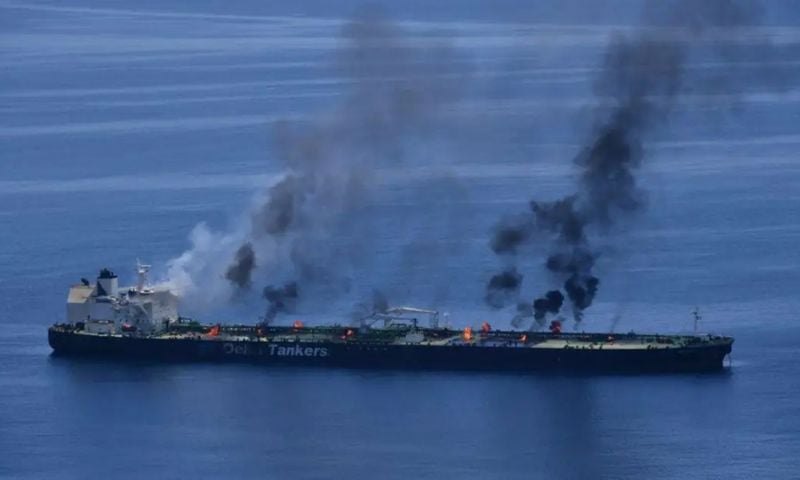
Prices remained volatile on Tuesday as reports of attacks on commercial vessels in the Strait of Hormuz and strikes on energy facilities heightened concerns about the security of oil production and exports.
The Strait of Hormuz is a critical global energy corridor linking the Arabian Gulf with international markets.
READ ALSO: Pakistan Cuts Petrol Price by Rs1.60 Per Litre, Hikes Diesel by Rs1.64 Per Litre
The Bab el-Mandeb Strait, at the entrance to the Red Sea, is another strategic passage for oil shipments. Disruptions in either waterway can force vessels to take longer routes, increase freight and insurance costs and delay deliveries.
On Wednesday and Thursday, supply concerns intensified as the Houthis claimed further attacks on targets, including energy facilities.
Brent climbed to a five-month high during Thursday’s session, extending the rally as traders assessed the possibility of further disruption to exports from one of the world’s largest oil-producing countries.
US inventories add support
Developments in the United States also influenced the market. US inventory data added to the market’s supply concerns. The Energy Information Administration reported on October 15 that commercial crude inventories fell by 8.6 million barrels in the week ended October 9, contrary to analysts’ expectations for a slight increase.
The larger-than-expected draw supported US crude prices, although geopolitical tensions remained the principal driver of the international rally.
The larger-than-expected draw supported WTI, although domestic inventory data had a different impact than the geopolitical pressures driving the international benchmark.
Oil markets also remained sensitive to US policy towards Russian energy supplies. Washington’s temporary easing of restrictions on Russian diesel exports raised the prospect of additional fuel availability, potentially limiting price increases.
However, any relief from such measures competed with concerns over shipping security and disruptions to Middle Eastern supplies.
Brent and WTI follow different weekly paths
By Friday, October 23, Brent was on course to register a third consecutive weekly gain, while WTI was heading for its first weekly decline in three weeks.
In early Asian trading, Brent crude oil fell 21 cents, or 0.2 per cent, to $112.96 a barrel, while WTI declined 27 cents, or 0.3 per cent, to $98.12. Later reported prices showed Brent at $113.75 and WTI at $100.13, reflecting the market’s movement during the session.
The divergence between the benchmarks underlined the different influences on their prices.
Brent remained particularly sensitive to international supply disruptions and threats to maritime routes. On the other hand, WTI oil responded to US inventories, domestic supply conditions and changes in the availability of competing fuels.
The outlook now depends heavily on how long and how widespread the regional disruptions are.
Further attacks on energy infrastructure or commercial vessels could keep prices elevated, while a sustained reduction in hostilities and a restoration of normal shipping would ease some of the pressure.