
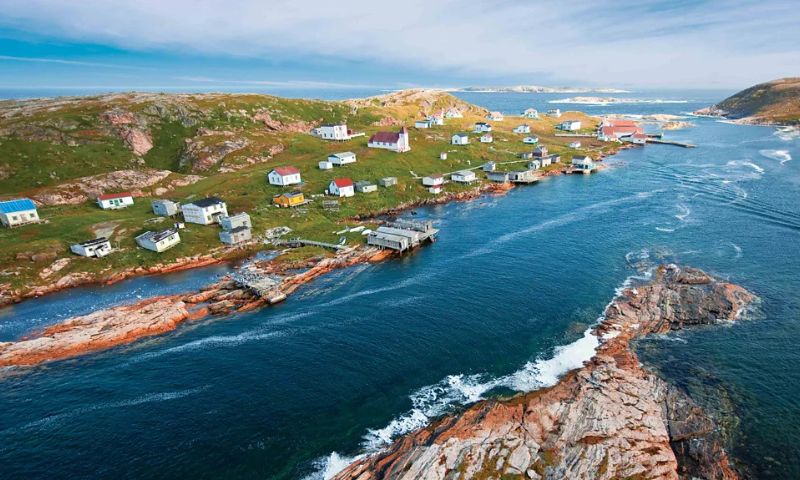
LABRADOR, Canada: On a remote island off the coast of Labrador in eastern Canada, a former fishing capital is finding new life as a summer retreat. Once a bustling centre of the global salt-cod trade, Battle Harbour declined after a 1930 fire, falling fish stocks and the collapse of the regional fishery.
Today, its restored wooden buildings, abandoned fishing stages and historic radio towers welcome visitors seeking a rare escape from modern life, with no mobile phone service and only limited internet access.
Preserved by a historic trust, the island opens to guests for around three months each summer, offering a glimpse into Labrador’s maritime past through guided tours, wildlife encounters and overnight stays in historic buildings.
From Fishing Hub to Ghost Island
In the 1770s, English merchant John Slade established a trading operation on the island, turning it into a gateway to Labrador’s rich fishing grounds. Salt cod processed there was exported to Europe, the Caribbean and other markets.
At its peak, Battle Harbour had a hospital, school, church and wireless station, with a permanent population of about 300. Thousands of seasonal fishermen also passed through, living either on schooners or in temporary shelters on land.
Its fortunes declined after a devastating fire in 1930, falling fish stocks and a provincial resettlement programme in the 1960s. By the 1970s, the last year-round residents had left.
The federal government’s cod moratorium on 2 July 1992 dealt another major blow to the regional fishing industry, throwing about 30,000 people across Newfoundland and Labrador out of work.
Today, the island has no permanent population. A historic trust preserves its buildings and fishing heritage, welcoming overnight guests for roughly three months each summer.
A Journey into the Past
Reaching Battle Harbour requires a journey across land and sea. Visitors fly to Happy Valley-Goose Bay, drive about five hours along the Expedition 51° highway to Mary’s Harbour, and then take a passenger boat across the water.
The 14.5km crossing takes between 60 and 75 minutes, passing rugged coastlines and scattered islands. Depending on conditions, visitors may see seabirds, icebergs and whales.
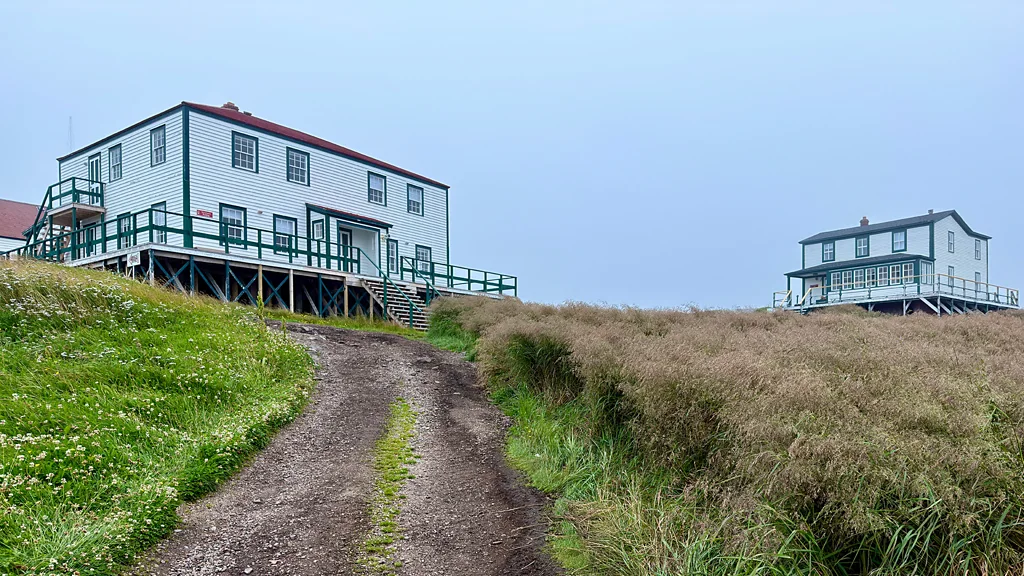
Accommodation is available in restored cottages and rooms in historic buildings, including the former Merchant Building. Two-night packages start at C$1,570 for two people, including accommodation, meals, return boat transfers and a guided historical tour, with taxes and gratuities extra.
There are no conventional tourist crowds or busy streets. Instead, guests encounter quiet paths, communal meals and buildings that preserve the atmosphere of a vanished fishing settlement.
Stories Behind the Buildings
Peter Bull, executive director of the Battle Harbour Historic Trust, has worked on the island since 2013. His connection to the region stretches back generations, to when his grandfather fished along the Labrador coast.
Bull spends much of the summer on the island before returning to St John’s in September. He gathers cod, squid, mackerel and local berries to help sustain him through winter.
“When I die, my ashes are going to spread out where I pick partridgeberries,” he says. “And I’m going to come back as a partridgeberry.”
Local guide Nelson Smith has spent nearly three decades leading tours and helping restore the island’s historic buildings.
Visitors explore former storage rooms, including the Pork Store and Salt Store, where supplies and the salt used to preserve cod were once kept. The tour explains how fishermen cleaned, salted and dried their catches on raised wooden platforms known as flakes.
The island also has a connection to polar exploration. American explorer Robert E. Peary held two press conferences at the Salt Store in 1909 after claiming to have reached the North Pole.
He transmitted his first account of the expedition from the nearby Marconi station to The New York Times.
Saving a Historic Landmark
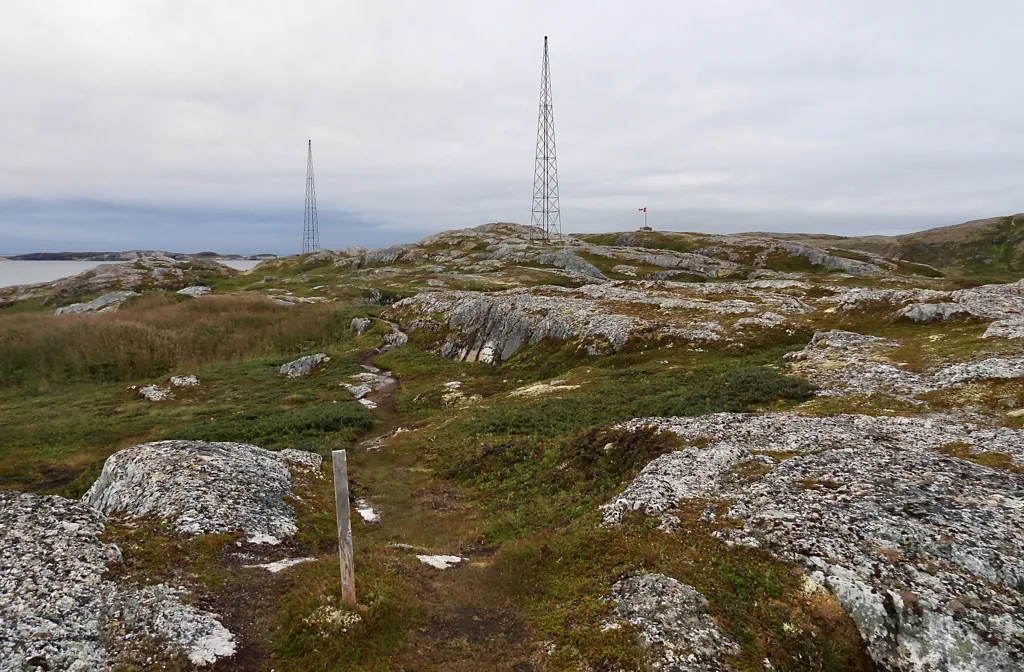
Battle Harbour’s two Marconi radio towers, built in 1906 and rebuilt in 1931, are among the last surviving pairs of their kind in North America. They once helped guide mariners and transmit messages from the remote coast.
The historic trust is seeking C$200,000 to repair the towers, which remain an important part of the island’s skyline and communications history.
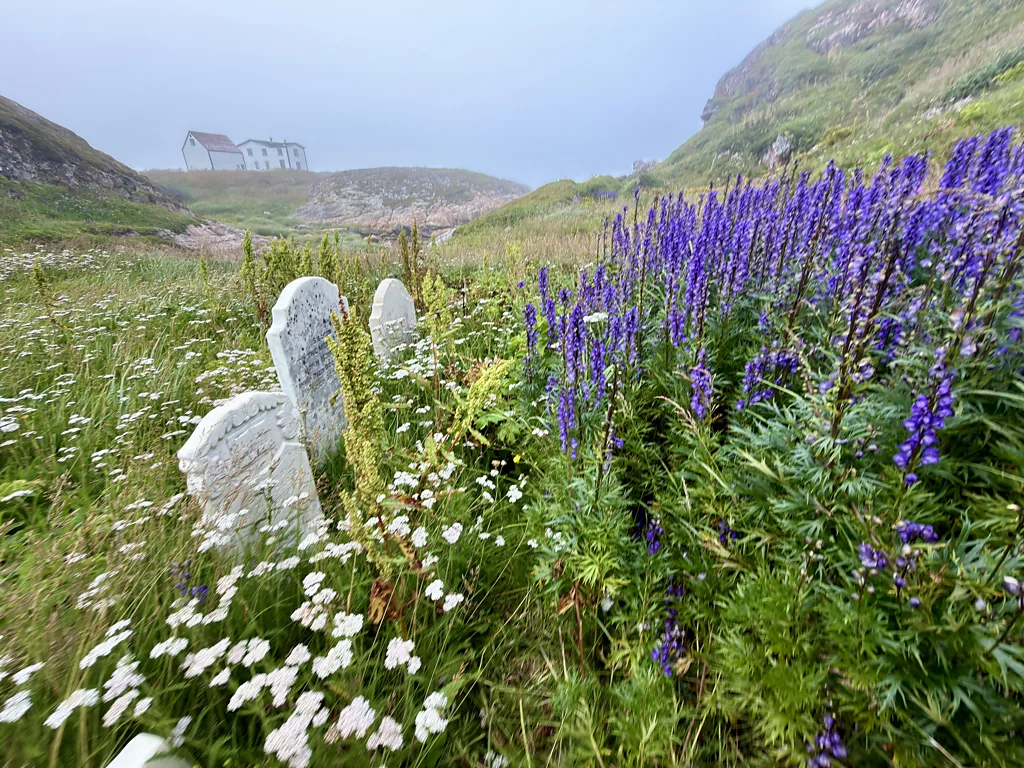
Visitors can also follow walking trails past two cemeteries and a memorial to three men killed in a 1976 seaplane crash. Wildlife adds to the island’s appeal, with Arctic foxes living near the old cemetery.
Strong winds can disrupt boat trips and fishing excursions, but the island’s appeal lies partly in its unpredictability. On nearby Great Caribou Island, visitors can hike across rocky terrain and meet residents who value the quiet, wildlife and saltwater air.
For Battle Harbour, tourism has become a way to preserve what remains of a once-thriving fishing community.
Its buildings, historic radio towers and recreated fishermen offer a reminder of the lives once sustained by the cod trade — and of a remote island determined not to disappear from memory.