KEY POINTS
- Nipah virus outbreak in India triggered mass quarantines weeks before T20 World Cup.
- The virus has no vaccine and fatality rate up to 75%, threatening tournament health protocols.
ISLAMABAD: Preparations for the ICC Men’s T20 World Cup 2026 have been complicated by a Nipah virus outbreak in India, one of the tournament’s co-hosts, after health authorities confirmed multiple cases of the deadly disease.
The news has injected a severe health scare into the event’s preparations just weeks before its scheduled start from February 7 to March 8.
At least five cases of the lethal virus have been confirmed in the state of West Bengal, leading to approximately 100 people being placed under quarantine in an emergency response.
According to Indian media, the infected individuals are said to include healthcare workers, with two nurses in Kolkata reported to be in critical condition.
Public health emergency
The timing of the outbreak could not be more critical, with thousands of international players, support staff, officials, and fans poised to travel to India for the 20-team mega event.
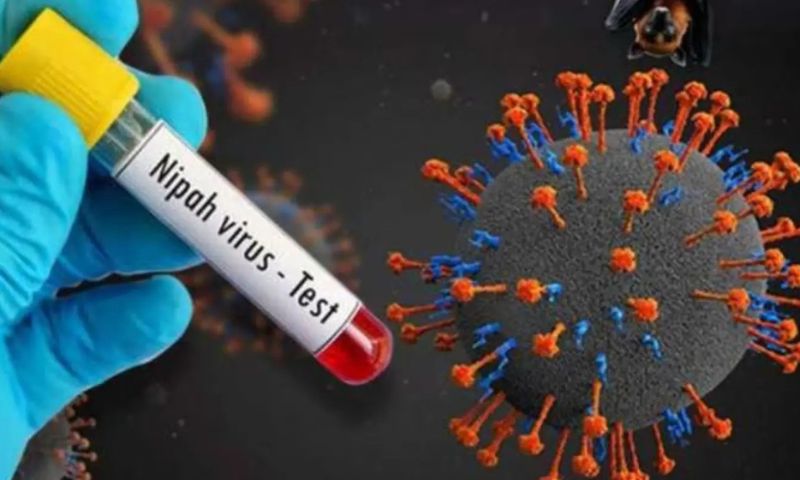
Nipah virus is a bat-borne zoonotic disease known for its high fatality rate, which has reached up to 75% in past outbreaks.
This development poses a significant challenge to the event’s health and safety protocols, potentially impacting team travel plans and spectator confidence.
Controversies threaten tournament
The health crisis compounds an already contentious build-up for the tournament. Earlier this month, the Bangladesh Cricket Board (BCB) formally refused to send its team to India, citing security concerns following an incident involving pacer Mustafizur Rahman’s release from his IPL franchise.
Despite negotiations, the International Cricket Council (ICC) ultimately dismissed BCB’s plea and replaced Bangladesh with Scotland in the tournament lineup last week.
This decision has further destabilised the event, prompting a strong reaction from the Pakistan Cricket Board (PCB).
The PCB is now actively deliberating on its own team’s participation, with Chairman Mohsin Naqvi stating a final decision will be made by Friday or next Monday.
The convergence of a serious public health threat with existing geopolitical tensions in cricket now places the smooth execution of the T20 World Cup 2026 in serious doubt, presenting the ICC with one of its most complex logistical and diplomatic challenges in recent years.
Lethal and unpredictable threat
The Nipah virus presents a formidable public health risk. It is a zoonotic pathogen, primarily transmitted from fruit bats to humans, either directly or through intermediate hosts like pigs.
The virus can also spread through close human-to-human contact via respiratory droplets or other bodily fluids.
There is no specific vaccine or antiviral treatment for Nipah virus infection.
Management involves intensive supportive care, and the disease has a historically high fatality rate, estimated between 40% and 75%.
Initial symptoms include fever, headache, and respiratory issues, which can rapidly progress to severe encephalitis (brain inflammation), coma, and death.
Organisers face dual crisis
This health emergency compounds an already tense political backdrop for the tournament.
The event was recently shaken by the Bangladesh Cricket Board’s (BCB) refusal to travel to India, leading to their replacement by Scotland.
The Pakistan Cricket Board (PCB) is also actively deliberating its team’s participation, with a final decision expected imminently.
The International Cricket Council (ICC) and the host boards now confront a dual crisis: managing diplomatic friction while implementing robust, visible biosecurity measures to mitigate the Nipah virus threat.
Key challenges will include ensuring safe environments at hotels, training facilities, and stadiums, and providing clear guidance to all participating nations.
The coming days will test the resilience of the event’s planning.
The eyes of the cricket world are now fixed not only on the pitch but on India and Sri Lanka’s public health response, as the race begins to contain the virus before the world’s best cricketers arrive.