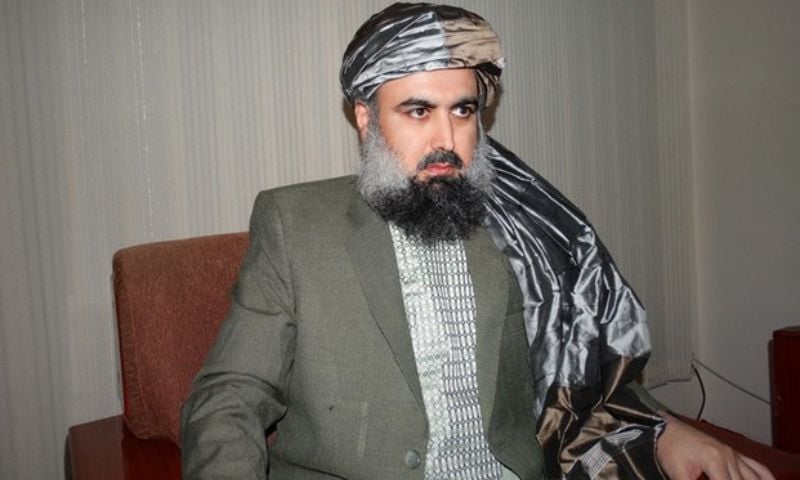
ISLAMABAD: The detention and subsequent release of senior Taliban figure Mullah Mutasim Agha Jan has exposed growing internal rifts and power struggles within the Afghan Taliban, according to security analysts familiar with the development.
Analysts said Mullah Mutasim, a former Qatar-based Shura member, was detained on direct orders of Taliban Supreme Leader Mullah Haibatullah Akhundzada and taken into custody by a special unit.
The episode unfolded after Mullah Mutasim’s remarks against interim Deputy Prime Minister for Economic Affairs Mullah Abdul Ghani Baradar, in which he allegedly used derogatory language.
The senior figure’s detention highlighted deeper factional tensions within the Taliban leadership structure under Haibatullah Akhundzada.
Mutasim had been openly critical of Haibatullah’s policies, positioning himself within a dissenting current inside the movement.
Sources said he was internally accused of creating divisions within the Taliban’s ranks and facilitating the arming of individuals aligned with him.
The immediate trigger cited internally for his arrest was his remarks against Mullah Baradar, reportedly referring to him in derogatory terms.
The arrest therefore reflects both personal-level friction and broader factional contestation between Kandahar-centric leadership and other power centres.
Distrust and factional tensions
Following his detention, Taliban authorities launched raids on homes and compounds of their own members in Kandahar and Kabul, targeting individuals suspected of links to Mullah Mutasim’s network.
Analysts said the internal security sweep underscored a climate of distrust within the Taliban and highlighted concerns over factional alignments.
Analysts noted that Mutasim has long been viewed with suspicion within Taliban circles due to alleged links to foreign intelligence networks, which leadership feared could expose internal fault lines to external influence.
He had previously been removed from internal structures on similar grounds, reinforcing a persistent trust deficit.
Despite this, Mutasim was later brought back into Afghanistan by Mullah Yaqoob, partly due to his historical proximity to the group’s founder Mullah Omar and his regional connections.
Recent reporting has linked him to anti-Akhundzada groupings, particularly among Kabul-based factions, reflecting deeper divisions between Kandahar-based leadership and other power centres.
Information control
No official Taliban statement acknowledged the charges against Mutasim. The Taliban initially denied that any arrest had taken place, in what analysts described as a pattern of information control.
An unofficial narrative later emerged, portraying the detention as a “misunderstanding” by a commander who was subsequently dismissed.
No formal statement acknowledging the charges or details of the detention has been issued.
This managed narrative suggests an attempt to contain reputational damage and prevent escalation of visible internal divisions.
Fragmentation within Taliban
Mutasim was eventually released following intervention by the Haqqani Network, according to analysts.
The Haqqani intervention suggests the episode may also be linked to factional alignments and their own networked relationships, which can shape internal decision reversals.
Analysts said the reversal reflected intra-group bargaining and balance-of-power dynamics within the Taliban’s leadership.
The intervention suggested that competing factions retain significant influence over key decisions, analysts added.
Observers said the episode illustrates underlying fragmentation risks within the Taliban, despite efforts to project unity.
They added that the combination of internal rivalries, leadership distrust and competing power centres continues to shape decision-making within the group.