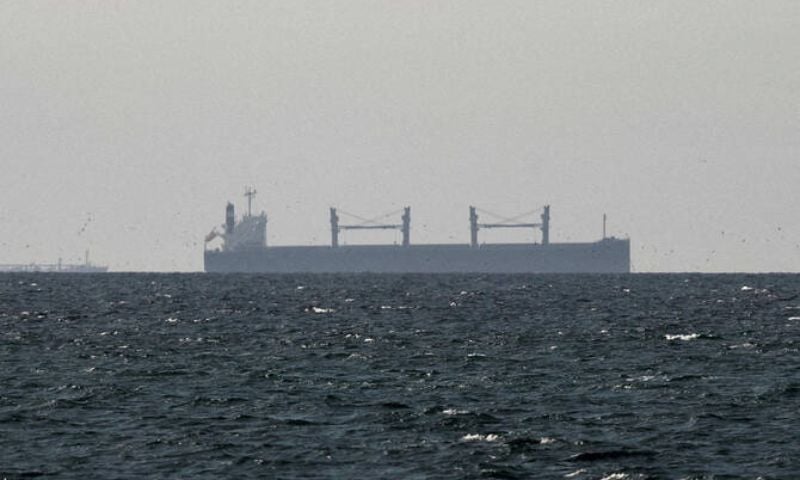



COPENHAGEN: Global shipping giant Maersk has adopted a cautious stance on resuming operations through the Strait of Hormuz, warning that the recently announced Pakistan-brokered ceasefire between the United States and Iran has yet to ensure sufficient maritime security.
In a statement issued on Wednesday, the Danish firm said the two-week truce could create limited opportunities for vessel movement in the region. However, it stressed that the situation remains too uncertain to justify any immediate changes to its existing services.
“At this point, we take a cautious approach, and we are not making any changes to specific services,” the company noted, underscoring its reliance on continuous risk assessments and evolving security conditions, according to Reuters.
The conflict, which erupted following US-Israeli strikes on Iran in February and subsequent Iranian retaliatory actions across the region, led to the closure of the critical shipping lane. This disruption brought maritime traffic in the Gulf to a near halt, sending shockwaves through global supply chains and raising freight costs worldwide.
Despite the ceasefire, Maersk highlighted the absence of “full maritime certainty”, indicating that any decision to resume transit through the Strait would depend on clearer security guarantees and guidance from relevant authorities.
In response to the crisis, the company had already suspended cargo bookings to several Gulf ports and introduced emergency bunker fuel surcharges to offset escalating operational costs.
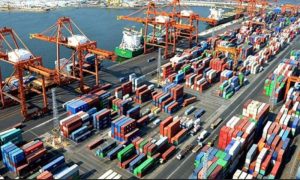
To maintain cargo flows, Maersk has been utilising alternative logistics routes, including a land-bridge system linking key regional hubs such as Jeddah, Salalah, Sohar and Khor Fakkan. Goods are transported to these ports by sea and then moved inland to reach destinations across the Gulf.
The shipping giant said it would continue to closely monitor developments in the coming days, signalling that a return to normal operations hinges on improved clarity over the ceasefire’s conditions and broader regional stability.
The Strait of Hormuz remains one of the world’s most critical maritime chokepoints, handling a significant share of global oil and trade flows, making any disruption a matter of global economic concern.