


TEL AVIV: Some senior Israeli officials are increasingly concerned about the escalating war with Iran and are quietly discussing possible ways to bring the conflict to an end before it causes deeper regional instability and global economic disruption, according to international media reports.
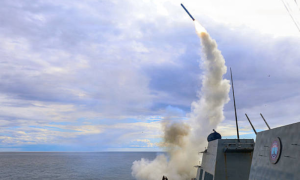
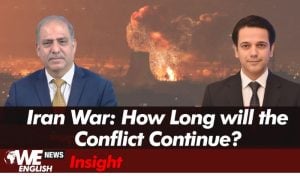
The United States–Israel war with Iran has entered its second week, spreading tensions across the Middle East and raising fears about energy markets and global economic stability.
According to a recent report by The Washington Post, several senior Israeli officials have begun discussing potential “exit ramps” to halt the conflict before it becomes an open-ended war.
One Israeli official cited by the newspaper said there were growing doubts about the benefits of prolonging the conflict.
“I’m not sure it’s in our interest to fight until the regime is toppled,” the official said, according to The Washington Post.
Endless war with Iran
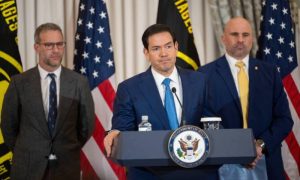
Israel’s Foreign Minister Gideon Saar said on Tuesday that Israel was not seeking a prolonged conflict with Iran and would coordinate closely with the United States on when the fighting should end.
“We will continue until the minute that we and our partners think that it is appropriate to stop,” Saar told journalists in Jerusalem during a joint appearance with Germany’s foreign minister.
“We are not looking for an endless war,” he added.
Saar said Israel’s objective was to eliminate what he described as long-term threats posed by Iran.
“We want to remove, for the long term, existential threats from Iran to Israel,” he said in response to a question about what Israel would consider victory.
On Monday, Iran appointed Mojtaba Khamenei — the son of Ayatollah Ali Khamenei who was killed during the first day of the war — as the country’s new Supreme Leader.
War raises concerns in Europe
The conflict, now in its 11th day, has widened across the region.
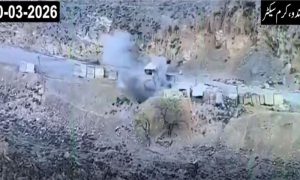
Iranian strikes have reportedly hit neighbouring states including the United Arab Emirates, while Israel continues military operations against Hezbollah in Lebanon alongside strikes inside Iran.
German Chancellor Friedrich Merz said in Berlin that European governments were increasingly worried about the conflict and the absence of a clear plan to end it.
“There appears to be no clear strategy for bringing this war to an end,” Merz said.
Disagreement between US and Israel
Behind the scenes, the war has also produced the first disagreement between the US and Israel.
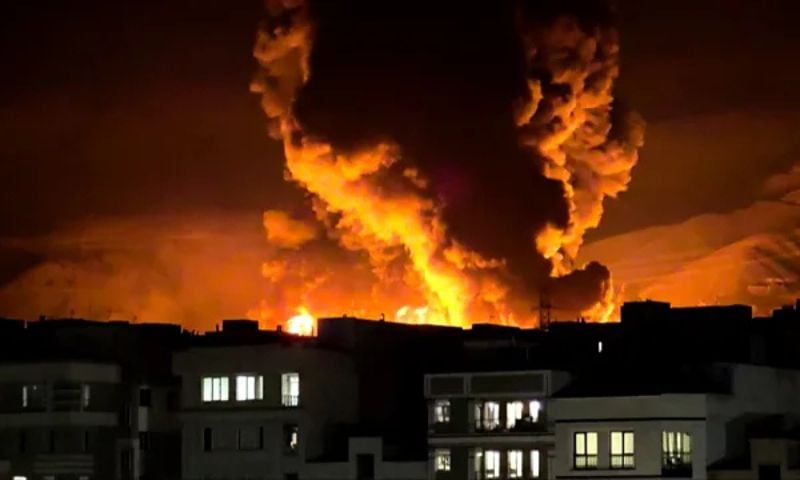
US officials said Israeli air strikes on around 30 Iranian fuel depots on Saturday went further than what Washington had expected when Israel notified the United States in advance.
According to US and Israeli officials cited by Axios, the attacks sparked massive fires in Tehran, sending thick smoke across the capital.
The Israeli military said the fuel depots were used by the Iranian government to supply fuel to both civilian and military consumers.
However, a senior US official, cited by Axios, said Washington was concerned the strikes could have unintended strategic consequences.
“We don’t think it was a good idea,” the official said.
Another Israeli official said the reaction from US officials was one of surprise.
Oil market fears
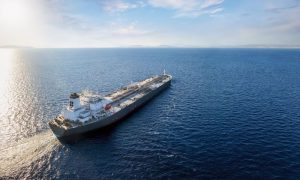
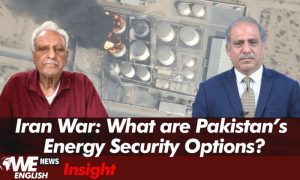
US officials are particularly worried that attacks on energy infrastructure could destabilise global oil markets.
Although the targeted depots were not part of Iran’s crude oil production system, officials fear images of burning fuel facilities could trigger panic in energy markets and push oil prices higher.
“The president doesn’t like the attack. He wants to save the oil. He doesn’t want to burn it,” a senior adviser to US President Donald Trump told Axios.
The adviser added that rising energy prices could have political and economic consequences internationally.
Iran has warned that continued attacks on its energy infrastructure could provoke retaliation.
A spokesman for Iran’s Khatam al-Anbiya military headquarters said Tehran had so far avoided targeting energy infrastructure across the region but could change its approach if the attacks continued.
“If attacks on Iran’s oil infrastructure continue, Iran may respond with similar strikes,” he said.
Iranian parliament speaker Mohammad Bagher Ghalibaf also warned that Tehran would retaliate “without delay” if the strikes continued.
Some Iranian officials have warned that escalation could push global oil prices as high as $200 per barrel.