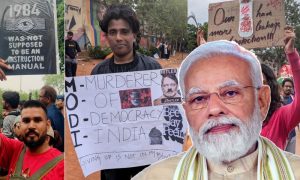
NEW DELHI: India’s sweeping electoral revision has triggered protests and political controversy after around 130 million names were removed from voter rolls, raising concerns that eligible citizens could lose their right to vote.
The exercise, known as the Special Intensive Revision (SIR), was launched by the Election Commission of India to remove duplicate entries, deceased voters and people who have moved away from their registered constituencies.
However, critics say that the process has wrongly excluded eligible voters and could benefit Prime Minister Narendra Modi’s Bharatiya Janata Party (BJP).
In Hyderabad, southern India, 60-year-old Mohammed Baba Sharfuddin said 17 members of his family and 13 neighbours had been removed from the draft electoral rolls despite having lived in the same area for decades.
Polling officials reportedly marked them as having “permanently shifted” from their residences. “We were shocked,” Sharfuddin said, questioning how an entire family could be removed from the voter list without a clear explanation.
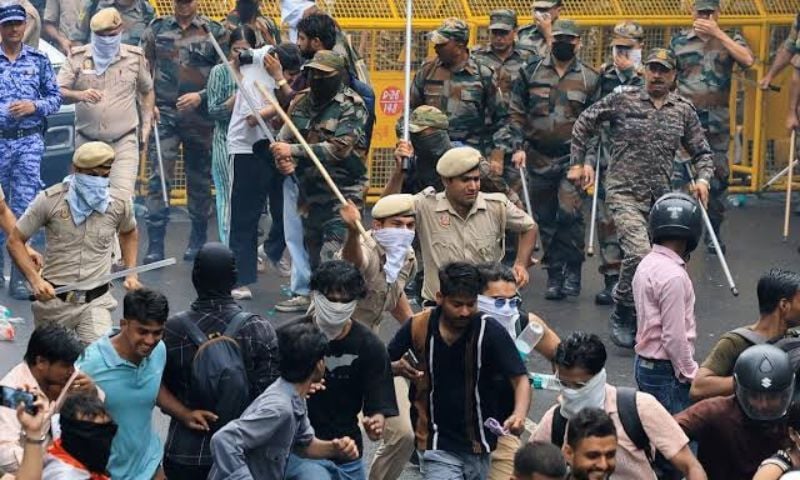
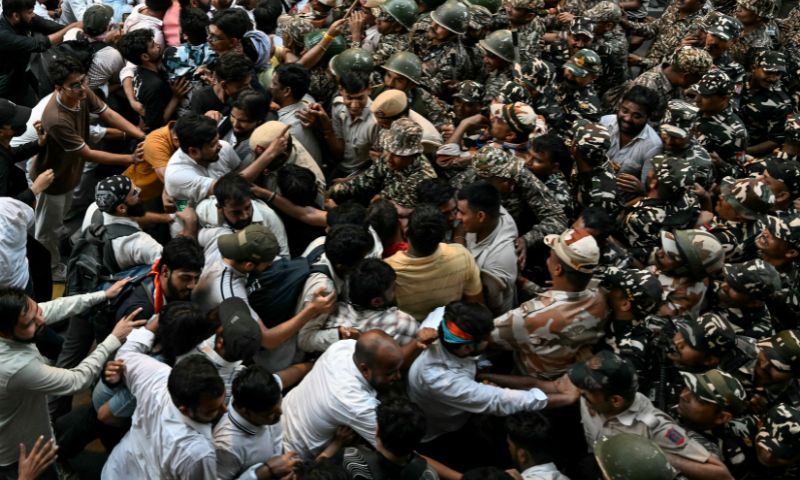
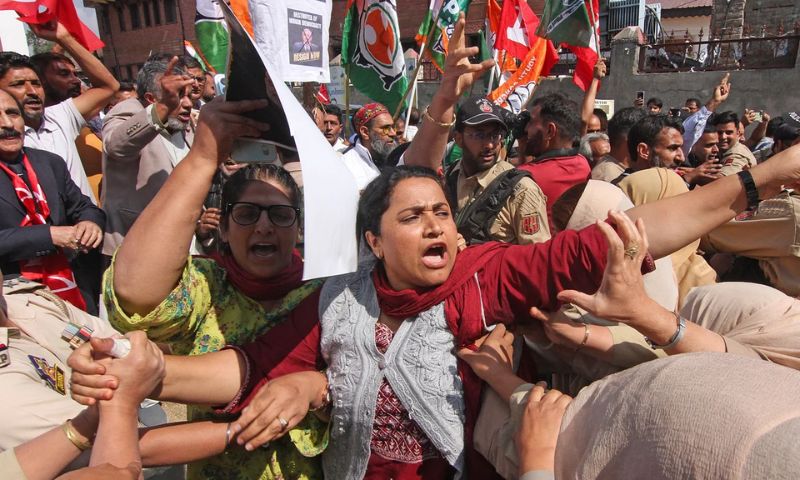
The deletions have fuelled demonstrations in New Delhi, where protesters have denounced the exercise as “vote chori”, or theft of votes, and demanded the resignation of chief election commissioner Gyanesh Kumar.
Opposition activist Yogendra Yadav, who has challenged voter deletions in the Supreme Court, described the exercise as disenfranchisement on an unprecedented scale, arguing that it went beyond routine electoral updates and altered the criteria for voter eligibility.
Critics say the revision differs significantly from previous electoral updates because it requires existing voters to provide proof of citizenship and relies on a centralised digital database.
The system, managed by the Election Commission and supported by software from Tata Consultancy Services, can flag what officials describe as “logical discrepancies”, including spelling inconsistencies.
The requirements have raised concerns in a country where many citizens lack standardised documentation, potentially making it harder for eligible voters to establish their status.
Former election commissioner Ashok Lavasa described the exercise as “aggressive, ambitious and abrupt”, highlighting concerns over the verification of people already registered to vote.
The process has also faced criticism over its timing and pace in states including Bihar and West Bengal, where the BJP secured decisive electoral victories. Opponents have questioned whether the revisions could affect future electoral contests, including the 2029 national elections.
READ ALSO: India’s Cockroach Protesters Defy Modi Crackdown Amid ‘Vote Thief’ Chants
Political analyst Zainab Sikander said updating voter lists was necessary in a democracy but argued that the current exercise had been carried out in a rushed manner.
Concerns intensified after the Indian Express reported that election commissioners Sukhbir Singh Sandhu and Vivek Joshi had raised questions about changes to electoral rolls, registration procedures and the centralisation of the digital system.
Congress leader Rahul Gandhi has also challenged Kumar’s handling of the revision, describing it as unilateral and arbitrary in a petition to India’s chief justice.
The Election Commission has contended that the revision follows standard administrative procedures intended to protect voting rights. Earlier this month, it also directed officials to restore eligible voters who had been wrongly omitted.
In Hyderabad, uncertainty remains among residents awaiting the final electoral roll, expected next month. Syed Aijaz, a 76-year-old rickshaw driver whose name was removed from the draft list, said the deletions had left him questioning his place in the country.
He said the BJP was using the revision to undermine voting rights, warning that removing citizens from electoral rolls could leave them feeling excluded from the democratic system.
The issue has intensified scrutiny of the Election Commission and raised questions about the transparency, fairness and accountability of India’s electoral process.