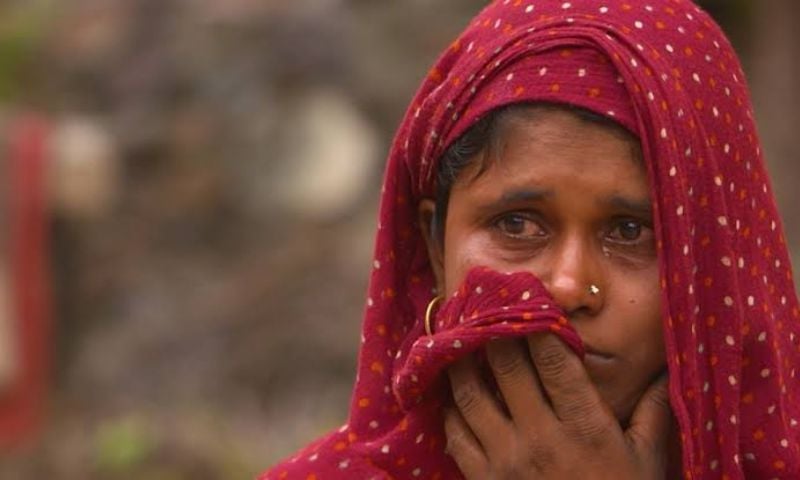
NEW DELHI, India: Women in parts of northern India are being drawn into a bride trafficking network where they are bought and sold for marriage, with poverty, gender imbalance and social pressures contributing to the growth of the practice.
In Haryana, a state with a significant shortage of women compared with men, thousands of women from poorer regions have been brought in as brides.
Many are known locally as “molki” or “bought” brides, a term used for women who are acquired through payments made to families or intermediaries.
Gender imbalance fuels demand
Researchers and activists have linked the practice to decades of son preference, sex-selective practices and an unequal gender ratio in parts of northern India. Studies have found that the shortage of marriageable women in Haryana has contributed to the movement of brides from states including West Bengal, Bihar, Assam and Jharkhand.
ALSO READ: Indian National Accused of Leading Child Abuse Ring Goes on Trial in Paris
The women often come from economically disadvantaged backgrounds and may face difficulties adjusting to unfamiliar languages, cultures and social environments after being moved far from their homes.
Survivors report exploitation
Human rights groups and researchers have documented cases where women brought through such arrangements experienced violence, discrimination, restricted mobility and economic dependence. Some reports describe women being treated as household labourers rather than equal members of families.
Cases highlighted by media investigations have shown how brokers can play a role in arranging marriages between men seeking wives and women from poorer communities across India.
Calls for stronger protections
Experts say addressing the issue requires tackling the root causes, including gender discrimination, poverty and harmful social attitudes towards girls and women.
Activists have called for greater protection for vulnerable women, stronger action against trafficking networks and efforts to improve the social and economic status of women in affected communities.