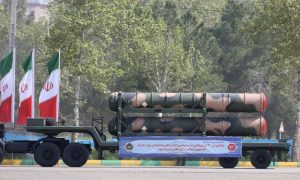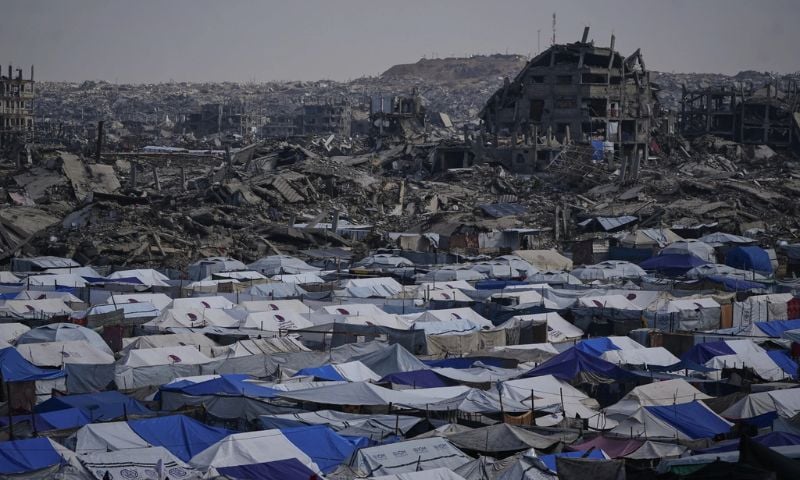



GAZA CITY, Palestine: Gaza is rapidly depleting its already limited fuel reserves and could soon face shortages of essential food supplies, local officials warn. The crisis follows Israel’s decision to block the entry of fuel and goods into the war-shattered territory, citing ongoing hostilities with Iran.
All Gaza border crossings were closed on Saturday after Israel—in coordination with the United States—announced it had carried out air strikes on Iran.
Israeli authorities stated that the crossings cannot be operated safely during active combat, though they have not indicated how long the closure will last.
The territory relies entirely on fuel delivered by trucks from Israel and Egypt.
Without fresh supplies, hospital operations are at immediate risk, and water and sanitation services could be severely disrupted, according to local officials.
The latest border closure compounds the misery for Gaza’s population, the vast majority of whom are already internally displaced following two years of war between Israel and Hamas.
“I expect we have maybe a couple of days’ running time,” said United Nations official Karuna Herrmann, who directs fuel distribution in Gaza.
Amjad Al-Shawa, a Palestinian aid leader in Gaza who coordinates with the UN and NGOs, warned that fuel supplies could last only three or four days.
He added that stocks of vegetables, flour, and other essentials would also run out quickly if the border crossings remain shut.
His assessment stands in contrast to that of Israel’s COGAT military agency, which controls access to Gaza, stating that enough food has been delivered since the October truce to sustain the population.
“(The) existing stock is expected to suffice for an extended period,” COGAT said, without elaborating. It declined to comment on potential fuel shortages.
A US-backed truce aimed at ending the war hinges on reopening the Rafah crossing with Egypt, surging aid into Gaza, and rebuilding the enclave.
But for displaced Palestinians like Hamada Abu Laila, the recent border closures signal a dangerous reversal.
He warned they are reigniting fears of a return of famine—a crisis that took hold last year when Israel blocked aid deliveries for 11 weeks.
“Why is it our fault, in Gaza, with regional wars between Israel, Iran, and America? It is not our fault,” Abu Laila said.