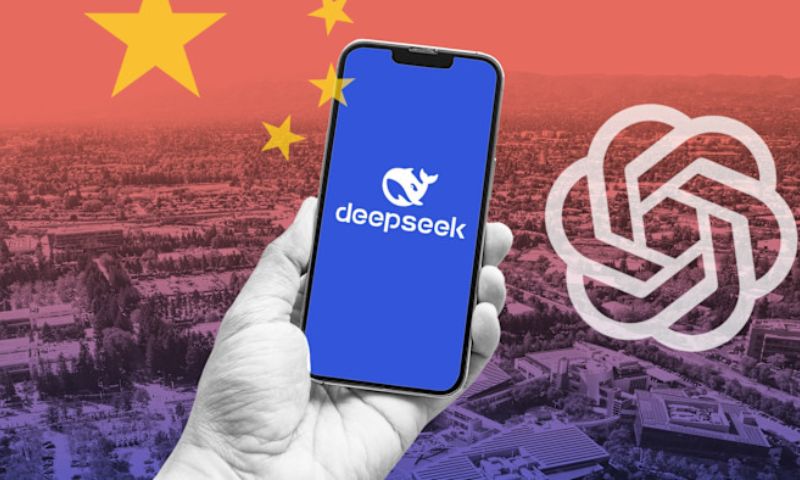



ISLAMABAD: The global technology industry has been closely watching for the release of a new artificial intelligence model from China’s DeepSeek, widely seen as a key indicator of the country’s progress in the rapidly evolving AI sector.
More than a year after the company drew global attention with a low-cost chatbot matching the performance of US competitors, its next-generation “V4” model has yet to be unveiled, despite mounting expectations and industry rumours.
Analysts say the delay has intensified speculation, particularly over the type of computer chips used to develop the system. The choice between advanced US-designed processors and domestically produced alternatives is viewed as a critical measure of China’s push for technological self-reliance.
Reports suggest that the model could run on chips developed by Huawei, marking a significant step in China’s efforts to reduce dependence on US technology amid ongoing export restrictions on high-end semiconductors. Major Chinese firms, including Alibaba, ByteDance and Tencent, are said to have placed large orders for such chips ahead of the anticipated launch.
R1 chatbot
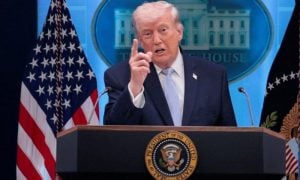
DeepSeek rose to prominence in early 2025 with its R1 chatbot, which challenged global competitors and drew attention from policymakers, including US President Donald Trump, who described it as a “wake-up call” for American firms.
Experts believe the upcoming V4 model, expected to support text, images and video generation, could once again disrupt the AI landscape if it delivers improved performance at lower cost. However, shifting to domestic hardware could present technical challenges, potentially slowing development and affecting efficiency.
The delay also highlights the broader impact of US export controls, which limit China’s access to advanced AI chips. While some reports have suggested workarounds involving restricted hardware, such claims remain unverified.
Industry observers say the eventual release of V4 will be closely scrutinised, as it could signal a major shift in the global balance of technological power.