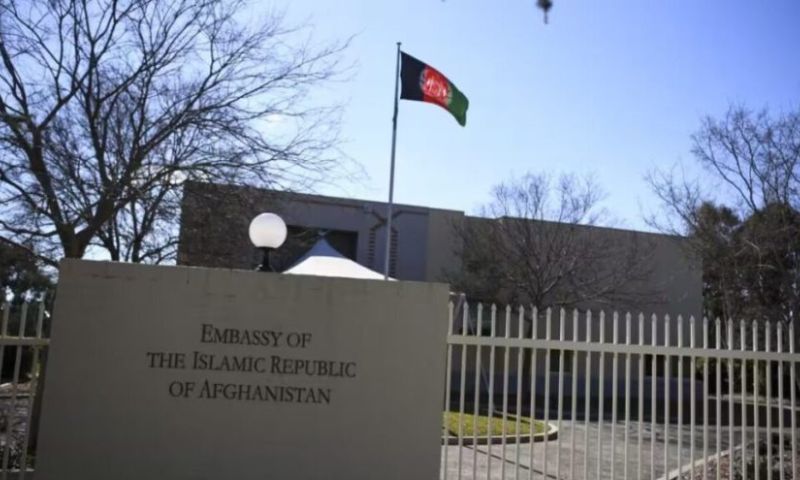



CANBERRA, Australia: Australia has announced it will close the Afghan embassy in Canberra after June 2026, citing concerns over the Taliban regime’s authoritarian policies and human rights violations, Australian media reported on Sunday.
The Australian Department of Foreign Affairs and Trade (DFAT) said that the Afghan embassy will cease all diplomatic activities following an orderly transition.
DFAT stated that it will not recognise any diplomats, honorary consuls, or representatives appointed by the Taliban government, according to SBS News and The National Tribune.
No recognition of Taliban regime
The Australian government said it does not consider the Taliban the legitimate representative of the Afghan people.
Canberra has repeatedly criticised the Taliban for restrictions on women, suppression of dissent, and systematic human rights violations, reports said.
In a joint statement, the Afghan embassy in Australia and DFAT described the closure as “not the preferred outcome” but said both sides had agreed on a “dignified and orderly transition” while maintaining their positions on Afghanistan.
Impact on Afghan citizens
The Refugee Council of Australia (RCOA) expressed concern that Afghan citizens in Australia may face difficulties accessing essential consular services, including identity and travel documents.
The council warned that the closure could have psychological effects on Afghans in Australia, particularly women and asylum seekers, highlighting the ongoing humanitarian challenges under Taliban rule.
The embassy, managed by Ambassador Wahidullah Waissi, a diplomat appointed by Afghanistan’s previous government, will no longer have his credentials renewed.
DFAT said it will continue to protect embassy premises and property under the Vienna Convention on Diplomatic Relations.
International isolation of Taliban
Experts say the closure reflects increasing global mistrust of the Taliban regime, which has faced widespread criticism for undemocratic governance and violent policies since returning to power in August 2021.
Since the Taliban takeover in 2021, several Afghan diplomatic missions have closed worldwide, and many countries have restricted or deported Afghan refugees due to security and policy concerns.
Analysts warn that the regime’s rigid governance is driving Afghanistan into diplomatic and economic isolation.
Human rights concerns
Australian officials and civil society groups have emphasised that the Taliban’s systematic violations, especially against women and girls, remain a key barrier to international recognition.
DFAT reiterated that no Taliban-appointed official would be granted diplomatic status in Australia, underlining Canberra’s stance on human rights and governance in Afghanistan.
The move marks another major diplomatic setback for the Taliban, adding to Afghanistan’s growing isolation on the global stage.