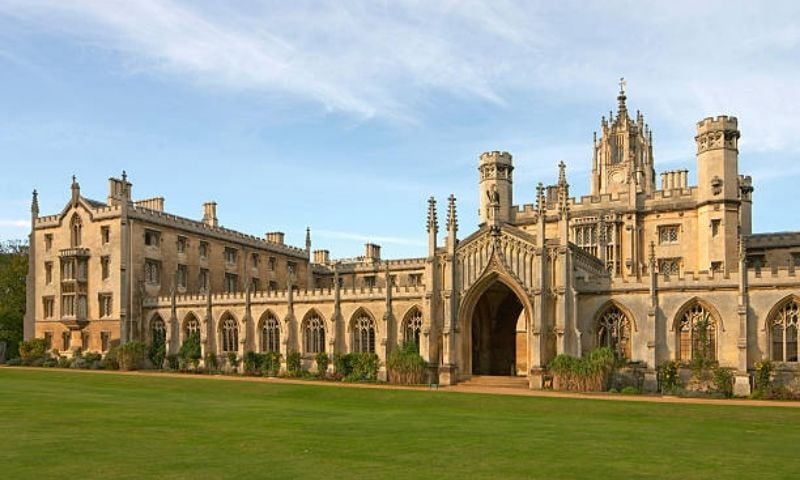
CAMBRIDGE: Armed resistance against the Taliban regime is expanding, while Afghan opposition groups are seeking a common platform to bring together political, civil and armed forces opposed to the Taliban, participants at the fifth round of the “Cambridge Afghanistan Series” said.
The meeting, held this week in Cambridge, brought together dozens of Afghan political figures, academics, civil society activists and representatives of women’s movements from Afghanistan and abroad to discuss areas of common ground and differences among groups opposed to the Taliban.
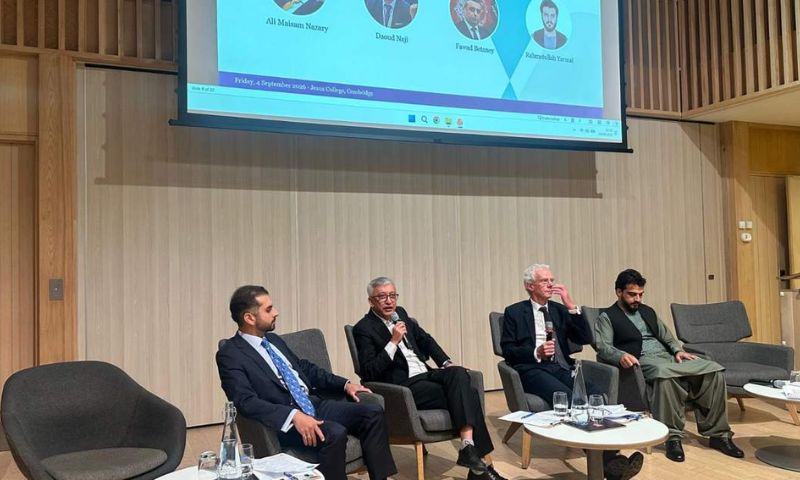
The talks focused on ways to narrow political and ideological differences and explore opportunities for cooperation on Afghanistan’s political future.
Zalmai Nishat, head of the Mosaic organisation and organiser of the meeting, said the previous four rounds of the Cambridge discussions had examined proposals and roadmaps presented by different Afghan groups. A total of 21 roadmaps had been reviewed, he said.
According to Nishat, the discussions showed substantial common ground among the groups despite their political and ideological differences, with only around 10 per cent of the issues emerging as major areas of disagreement.
The latest meeting therefore concentrated primarily on those unresolved issues, with participants holding discussions in five panels covering fundamental questions about Afghanistan’s future.
Key Areas of Disagreement
Nishat said one of the main subjects was structural injustice and the underlying structural problems in Afghanistan, including the historical roots of inequality, the distribution of political power and ways of establishing a fairer political system. The means of achieving political change was another major point of disagreement.
Some participants argued that political change under the current circumstances could not be achieved without armed resistance against the Taliban, while others favoured dialogue, political pressure and non-violent methods.
The future role of the international community in Afghanistan was also debated.
Nishat said some participants believed the international community should play a role comparable to its involvement in Afghanistan following the 2001 intervention. Others argued that circumstances in both Afghanistan and the wider world had changed and that Afghans themselves should take the lead in determining the country’s political future.
Participants also differed over the structure of a future Afghan political system. While some favoured federalism, others supported a decentralised model, with another group backing a centralised system of government.
Currency, national identity and national symbols were also identified as contentious issues among the various political and civil groups. Nishat said the purpose of the Cambridge talks was not to secure immediate agreement on every issue, but to provide a forum in which differences could be openly discussed and narrowed while identifying areas where cooperation was possible.
Unity Beyond Differences
Ali Maisam Nazary, head of foreign relations for the National Resistance Front (NRF) of Afghanistan, called for a broad alliance bringing together a wide range of political and social forces opposed to the Taliban.
He said such an alliance should include armed resistance groups such as the National Resistance Front and Afghanistan Freedom Front, women engaged in civil resistance, political movements, civil society organisations and democratic forces.
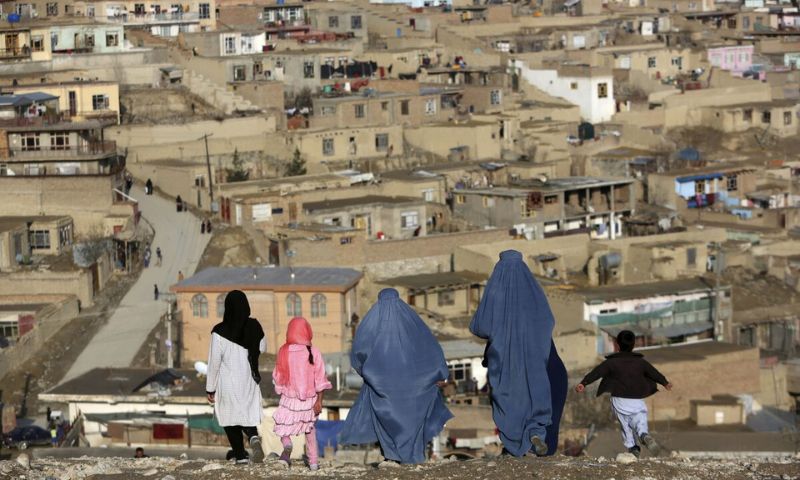
Nazary said cooperation should not be conditional on all groups agreeing on every detail of a future constitution or political system. Instead, he argued, Taliban opponents could work together on shared principles, a transitional mechanism and the establishment of a democratic Afghanistan where all citizens enjoy equal rights.
He said differences of opinion reflected Afghanistan’s ethnic, religious, political and social diversity and should not automatically be interpreted as evidence of disunity. In a democratic society, he added, unity did not require everyone to hold identical views, but could instead be based on “unity in diversity”.
People’s Will Must Prevail
Daoud Naji, head of the political office of the Afghanistan Freedom Front, said armed resistance against the Taliban had expanded since the previous Cambridge meeting held in September.
He said anti-Taliban groups, including the Freedom Front, had increased their activities in various parts of Afghanistan. Naji said the Freedom Front was prepared to work with political parties, civil society organisations and other groups committed to human rights, freedom and democracy.
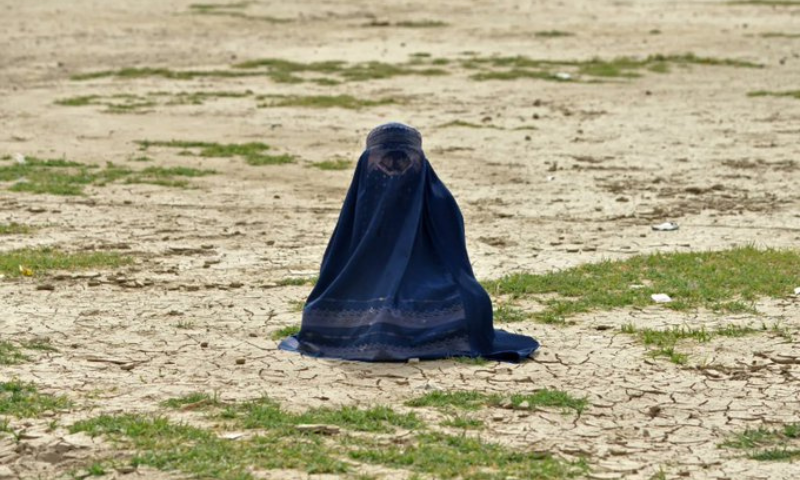
He maintained that political groups had the right to put forward their own proposals for Afghanistan’s future system of government, but ultimately the Afghan people should have the final say.
Naji described the Cambridge discussions as a potential basis for building a broader and more effective alliance among groups opposed to the Taliban. He said the Freedom Front was ready to contribute to strengthening a civil consensus framework.
He also said international efforts towards a political settlement of the Afghan crisis, including the Doha process, had largely dropped down the international community’s list of priorities. Naji called on the international community not to recognise the Taliban as Afghanistan’s legitimate government and urged it to reconsider its policy towards the group.
Greater Role for Women
Fawzia Koofi, a prominent women’s rights activist and former Afghan parliamentarian, said unity among Taliban opponents did not necessarily require all groups to merge into a single political organisation or platform.
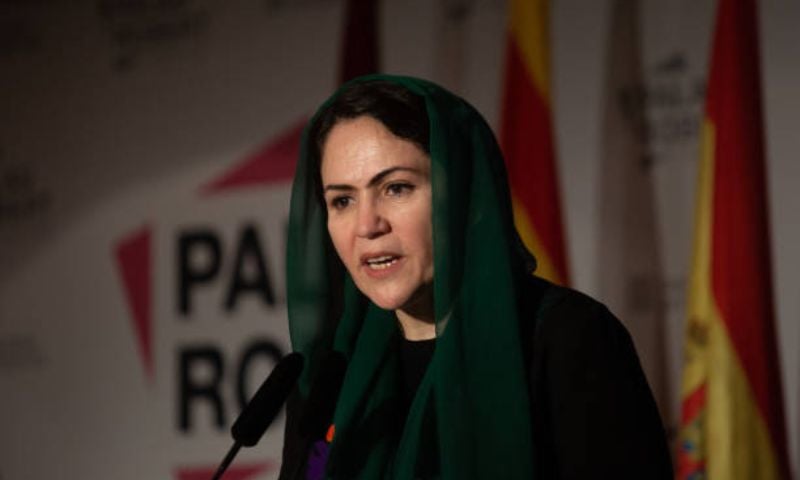
She said different forces could cooperate around common priorities and objectives while retaining their own identities and political positions.
READ ALSO: 180 Afghan Religious Scholars Call Armed Resistance against Taliban Religious Duty
Koofi said the “Women for Afghanistan” initiative had established a platform involving more than 35 organisations and prominent individuals to discuss Afghanistan’s future priorities, with a particular focus on ensuring women’s participation in political leadership.
She rejected the notion that the Taliban represented Afghanistan’s only option, saying the alternative was the Afghan people themselves, represented through a constitution, the rule of law and democratic institutions.
Koofi said democracy should not be defined simply by elections, arguing that Afghans should have a meaningful role at every stage of determining their future and deciding the country’s political system. She said democracy had not failed in Afghanistan; rather, she argued, Afghanistan’s political community and the international community had failed to adequately support it.
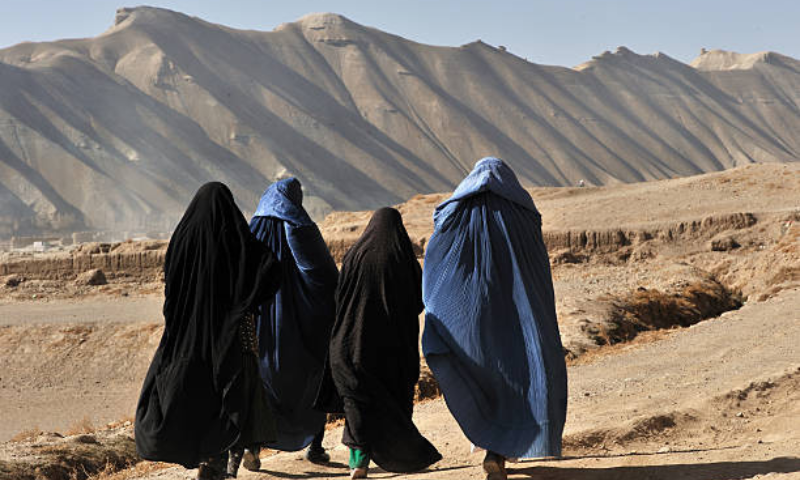
Koofi also called for greater cooperation between political and civil forces outside Afghanistan and those inside the country who can participate safely. She said preparations for any political transition should involve a broad range of Afghanistan’s social and political forces.
The fifth Cambridge Afghanistan Series meeting came amid continuing efforts to improve coordination among groups opposed to the Taliban, despite persistent differences over the methods of political change, the structure of a future government and the respective roles of Afghan and international actors.
Organisers and participants nevertheless said that openly addressing their differences while concentrating on shared priorities could help create the basis for broader cooperation and eventually build greater consensus on Afghanistan’s political future.