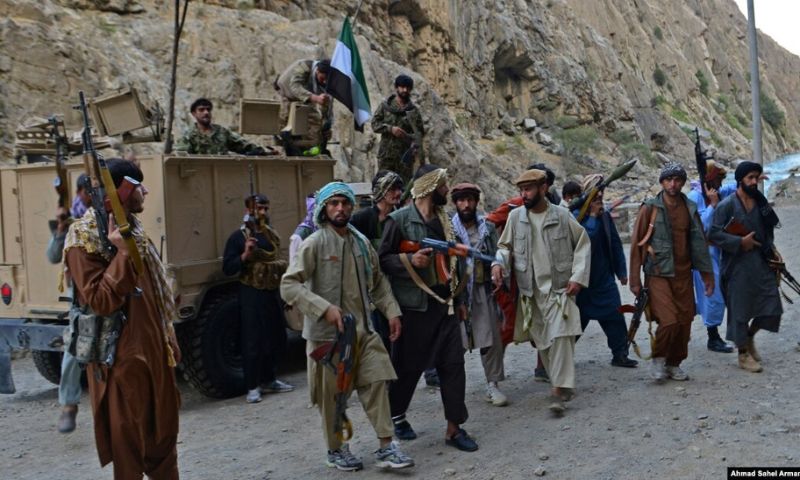
KABUL, Afghanistan: The Taliban regime is facing renewed armed resistance in several parts of Afghanistan, with anti-Taliban groups stepping up attacks against Taliban regime fighters and positions, particularly in the northeastern province of Badakhshan.
According to Afghan media reports, 4 Taliban regime fighters were killed and 7 others wounded in clashes with the Afghanistan Freedom Movement in Badakhshan on Monday.
The latest fighting comes amid a broader increase in attacks by armed groups opposed to Taliban rule. Badakhshan has emerged as the main centre of the recent escalation, with the Afghanistan Freedom Front (AFF), National Resistance Front (NRF) and other resistance groups reporting repeated clashes with Taliban regime fighters.
Afghanistan International reported that intense fighting broke out in Zebak district of Badakhshan on September 7 between Freedom Front fighters and Taliban regime forces.
Local sources told the outlet that Taliban regime fighters were seen moving through the area during the clashes. A resident also said the body of a Taliban fighter had been transported from the fighting site towards the district centre.
The latest fighting follows weeks of increased attacks on the Taliban regime positions in the province. The Freedom Front has repeatedly claimed attacks against Taliban regime positions in Zebak and other parts of Badakhshan.
In August, Afghan media reported several rounds of fighting between the Freedom Front and Taliban regime forces in Zebak. Local sources said both light and heavy weapons were used in the clashes.
The increased violence has prompted the Taliban regime to strengthen its security presence in the province. Afghanistan International reported in early September that the Taliban had established a drone operations centre near Faizabad airport amid rising tensions and attacks by opposition groups.
The report said the centre was being used for intelligence gathering and inspections across Badakhshan. Residents reported seeing drones flying over Faizabad.
Armed groups intensify attacks against Taliban
The armed resistance against the Taliban regime has involved several groups, although the National Resistance Front and Afghanistan Freedom Front are regarded as the main organised opposition groups.
The NRF has also claimed recent attacks in Badakhshan. The group said its fighters carried out an offensive operation in Kohistan Ragh district on September 7, killing one Taliban regime member and wounding six others.
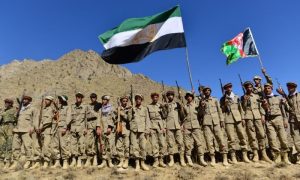
Afghanistan International reported last month that the Freedom Front, United Front and NRF had carried out at least 50 attacks across Afghanistan during August.
The report said the groups appeared to be shifting in some areas from hit-and-run attacks towards more direct fighting.
Seizure of district headquarters
In July, the newly formed Sepahiyan-e Mihan, or Patriotic Soldiers Front, briefly seized the headquarters of Yaftali Sufla district in Badakhshan. Afghanistan International reported that the group disarmed Taliban personnel and took military equipment before withdrawing.
The group was reportedly made up of local residents, activists and some former security personnel.
The brief seizure was significant because anti-Taliban groups have generally relied on ambushes, attacks on checkpoints and other guerrilla-style operations rather than holding territory.
Resistance spreads beyond Badakhshan
The recent resistance is not confined to a single province.
EUAA analysis based on conflict data recorded armed-resistance activity in a number of provinces, including Kabul, Kunduz, Herat, Takhar, Parwan, Kapisa, Baghlan, Badghis, Farah, Badakhshan, Faryab, Balkh and Panjshir.
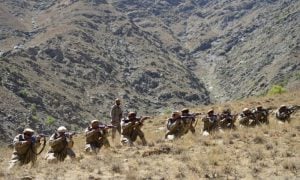
The agency said the groups are targeting Taliban regime fighters. More recent data point to a particularly sharp increase in activity in Badakhshan and Herat.
According to ACLED, anti-Taliban armed opposition groups have carried out 22 attacks in Badakhshan between January and July 2026. Herat recorded 14 such attacks against the Taliban during the first seven months of 2026.
ACLED said the increase in Badakhshan was linked not only to armed opposition groups but also to disputes between the Taliban and local communities and commanders.