
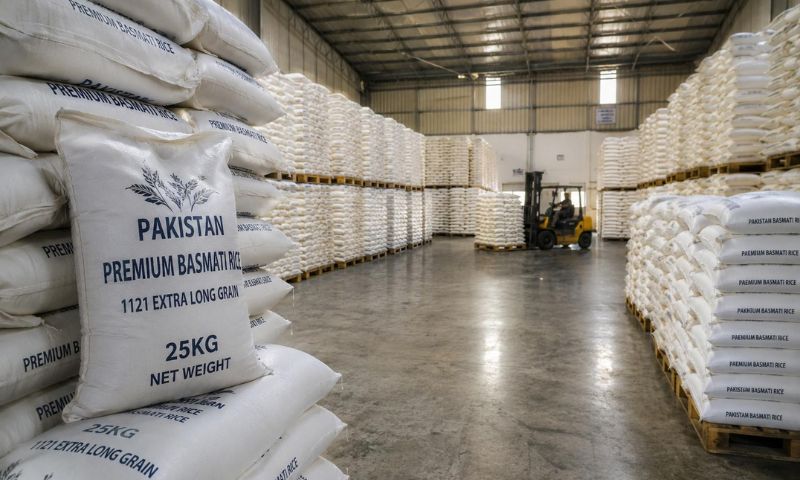
ISLAMABAD: Pakistan overtook Vietnam in monthly rice exports in September 2026, shipping 420,000 tonnes against Vietnam’s 337,000 tonnes, as the country strengthened its position in the highly competitive global rice market despite rising freight costs and regional shipping disruptions.
The performance also enabled Pakistani exporters to secure higher prices, with the average export price reaching $621 per tonne during the month, compared with $563 per tonne for Vietnamese rice, according to trade figures cited by Pakistan’s rice industry.
The price difference reflects sustained international demand for Pakistan’s export varieties, particularly aromatic Basmati rice, as well as its non-Basmati varieties, which compete with products from major Asian exporters, including Vietnam and Thailand.
Vietnam is a major force in the global rice trade, ranking among the world’s top exporters and supplying a significant share of the rice imported by countries such as the Philippines.
Rice industry expert Hamid Malik said Pakistan had surpassed Vietnam in monthly export volumes for the first time in the current millennium in December 2025, indicating a shift in the competitive position of the two countries.
Pakistan’s performance comes after a difficult 2025, when adverse weather conditions and market pressures affected rice exports from several major exporting countries, including Pakistan, Vietnam and Thailand. India, however, maintained its leading position in the global rice market.
The industry has also faced mounting challenges in 2026 following the escalation of conflict in the Gulf region. Higher ocean freight charges, increased marine insurance premiums, rising inland transportation and processing costs, and delays in shipments and payments have placed additional financial pressure on exporters.
These disruptions contributed to a decline of between 20 and 30 per cent in exports of conventional non-aromatic rice varieties from major exporting countries, including Pakistan, Thailand and Vietnam, according to Malik.
He said Pakistan’s rice sector had nevertheless started the 2026-27 financial year on a strong footing, supported by substantial carry-over stocks and an 18 to 20 per cent increase in the area under rice cultivation.
Improved access to urea fertiliser, agricultural credit and institutional support from the banking sector had also contributed to the sector’s performance.
According to Malik, Pakistan’s total rice export volumes increased by 51 per cent during the first quarter of the 2026-27 financial year, covering July to September, while foreign exchange earnings from rice exports rose by 37 per cent.
READ ALSO: Malaysia Shipments Boost Pakistan Rice Exports by 18%
He said the increase was achieved despite continuing disruptions to shipping routes in the Gulf and Black Sea regions.
Unlike countries where governments intervene through minimum support prices, freight subsidies and state-backed marine insurance, Pakistan’s rice export sector largely operates on free-market principles.
Private millers and exporters purchase paddy at prevailing market prices, with no government-guaranteed minimum purchase price.
The September figures mark a significant performance for Pakistan’s rice industry, although sustaining the momentum will depend on global demand, shipping conditions and the country’s ability to remain competitive in international markets.