Key Points
- Afghanistan has the world’s ninth-highest fertility rate
- Almost half the population is under 15, intensifying economic pressures
- Doctors report more teenage pregnancies
- Access to family planning is declining further
ISLAMABAD: Afghanistan’s already high fertility rate may be rising again to worsen poverty, according to a new research report.
According to a fresh elementary research report, restrictions on women’s education and employment, early marriages and deteriorating family-planning services threaten to reverse earlier progress in reducing family sizes.
The Afghanistan Analysts Network (AAN), in a report published on October 31, said Afghanistan ranked ninth globally in fertility.
The higher fertility makes Afghanistan an outlier in its region, with birth rates comparable to those of some sub-Saharan African countries. Higher birth rates are threatening to raise the incidence of poverty in the war-torn country.
The report, authored by Kate Clark and the AAN team, warned that although Afghan women had been having fewer children during the previous regime, recent developments under the Taliban administration could be reversing that trend.
The researchers cautioned, however, that no recent nationwide fertility statistics were available. The assessment was based on interviews with midwives and doctors working in hospitals and clinics across Afghanistan.
More teenage pregnancies in Afghanistan
Most health professionals interviewed by the researchers reported seeing more teenage girls who were married and pregnant.
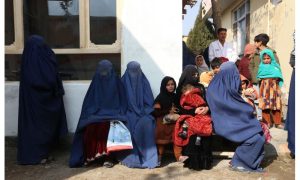
They attributed the trend partly to restrictions on girls attending secondary schools, leaving them with fewer opportunities for education and professional employment.
Early marriage was also linked to severe economic hardship, with some families receiving bride prices when their daughters married and seeking to reduce household expenses.
The report said women’s loss of employment and economic independence had further reduced their ability to resist pressure from husbands, in-laws and society to have larger families.
Although Afghanistan had entered a demographic transition around the turn of the century, smaller families had never become the norm, while traditional preferences for larger families, particularly those with sons, remained strong.
The researchers said access to contraception and birth spacing had also become more difficult as family-planning services weakened following reductions in donor funding and budgetary choices by the Taliban administration.
Growing economic pressures
The potential consequences extend beyond women’s health and household finances.
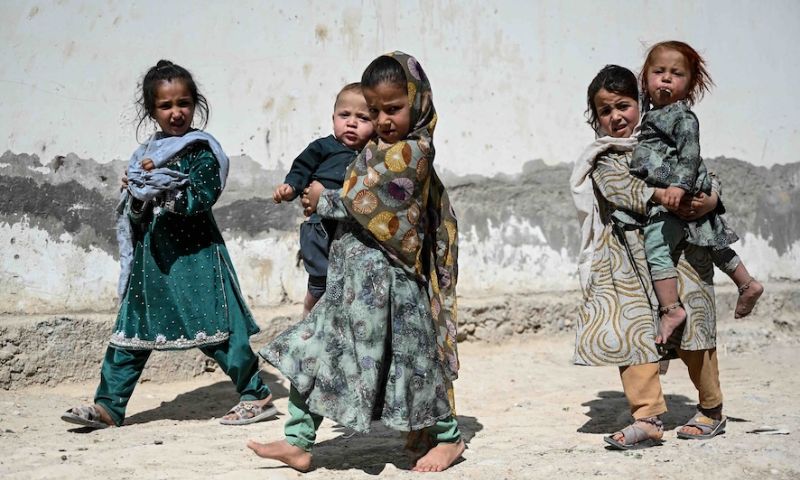
Almost half of Afghanistan’s population is under 15, making it one of the youngest populations in the world.
The report said the country’s population was already projected to increase by about one-third by 2040, even without a further rise in fertility.
Any increase in the average number of children per woman would add to this demographic momentum, intensifying pressure on employment, public services, natural resources and the economy while potentially increasing migration.
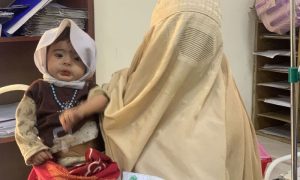
The health consequences for women could also be serious. Pregnancy risks are substantially higher among adolescent mothers and women experiencing closely spaced pregnancies.
The dangers are compounded by the deterioration of maternal healthcare services over the past five years, it added.
A demographic transition occurs when declining child mortality is followed by falling birth rates as families become more confident that their children will survive into adulthood.
Afghanistan began this process around the turn of the century, but the researchers warned that the current social and economic environment could undermine the progress.
The report cautioned that any reversal would have long-term consequences for Afghanistan’s development.
The precarious situation of poverty would place additional pressure on an Afghan economy already struggling with poverty, limited employment opportunities and weakened public services.