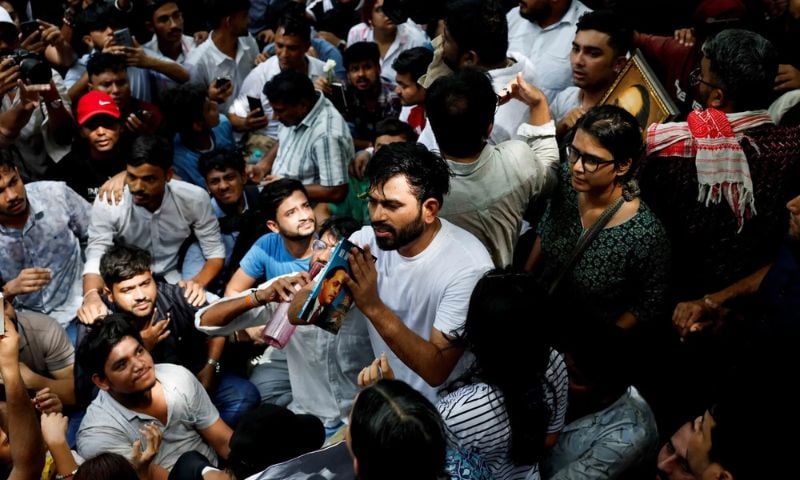
NEW DELHI: A youth-led protest movement in India, known as the Cockroach Janta Party (CJP), has intensified its campaign against Prime Minister Narendra Modi’s government, demanding an investigation into the reported deletion of approximately 130 million names from electoral rolls.
The movement, founded in May 2026, has organised demonstrations in New Delhi, Mumbai and other cities since October 2, bringing thousands of young people into a dispute over voter registration and electoral transparency.
Protesters are demanding the resignation of Chief Election Commissioner Gyanesh Kumar, a suspension of the voter roll revision pending an independent inquiry, and the restoration of previous electoral lists before the next elections.
The Election Commission maintains that the revision is intended to remove duplicate registrations, deceased voters and ineligible noncitizens.
Critics argue that the process could disproportionately affect poorer communities, migrant workers and people unable to produce extensive documentation.
From Jobs to Votes
The CJP emerged in May following the cancellation of medical school entrance examinations and controversy over remarks attributed to Chief Justice Surya Kant comparing unemployed young people to cockroaches.
The movement adopted the insect as its symbol, turning what protesters regarded as an insult into a rallying cry against unemployment and political exclusion.
Its campaign gained momentum in July following the resignation of Education Minister Dharmendra Pradhan, which supporters celebrated as an early victory.
Since then, the movement has shifted its focus towards electoral rights, government accountability and the treatment of demonstrators.
Protest Crackdown
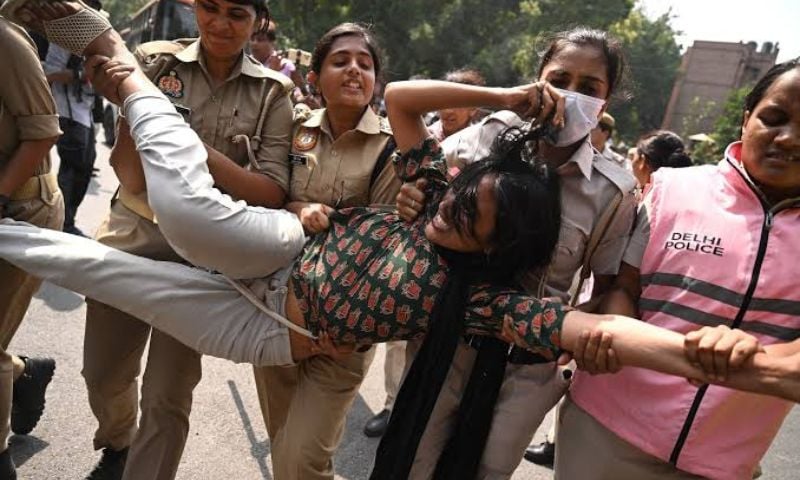
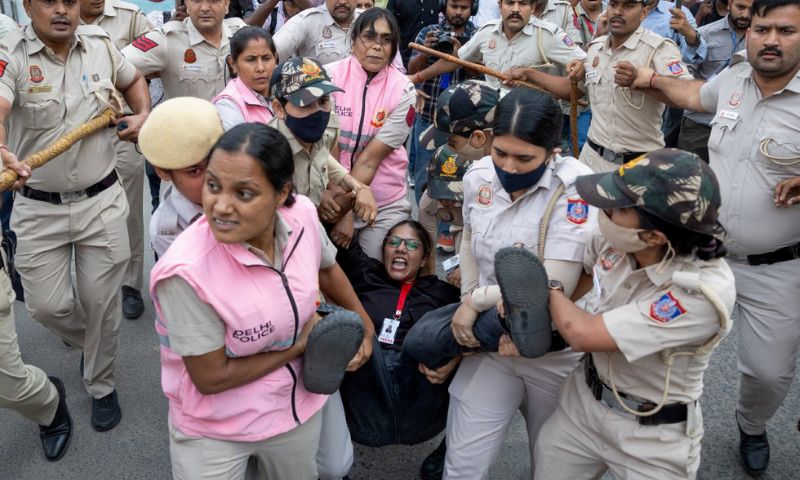
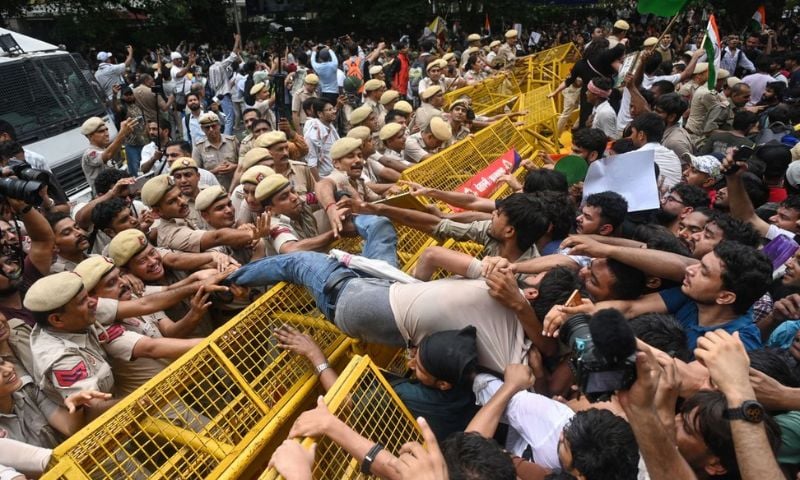
The demonstrations have faced a strong police response, including barricades, detentions and restrictions on protest activity.
Two prominent movement spokespersons, Ashutosh Ranka and Saurav Das, were detained in October, according to media reports.
United Nations experts have also urged Indian authorities to refrain from excessive force and restrictions on peaceful demonstrations.
The BJP government has accused protesters of undermining democratic institutions, while the demonstrators maintain that their campaign seeks to defend constitutional rights and electoral participation.
Youth Unemployment
Economic grievances remain central to the movement’s appeal.
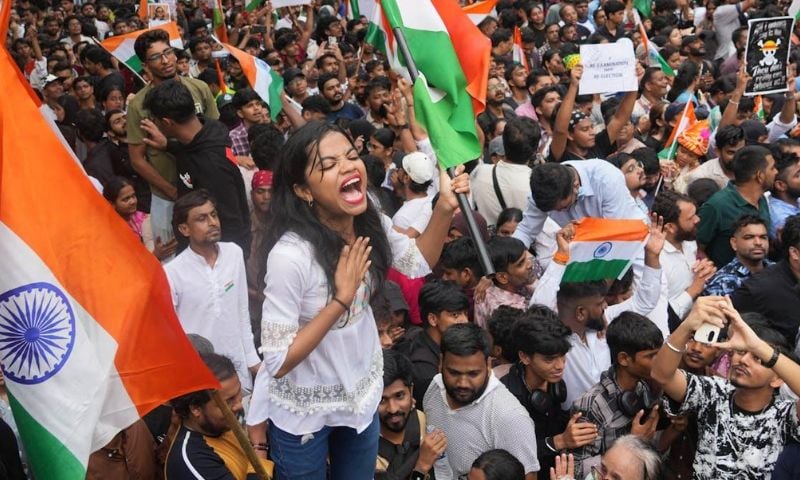
Despite India’s strong economic growth over the past decade, unemployment among educated young people has remained a major concern.
Research cited in the original analysis suggests that unemployment among Indian college graduates under 25 has been substantially higher than among young people with little or no formal education.
The CJP has used satire and social media campaigns to criticise the gap between government promises of employment opportunities and the difficulties faced by graduates seeking work.
Its slogan, “Cockroaches never die,” has become a recurring feature of demonstrations.
Women at Forefront
Women students and activists have also emerged as prominent figures in the protests, challenging police restrictions and speaking out against what they describe as harassment and intimidation.
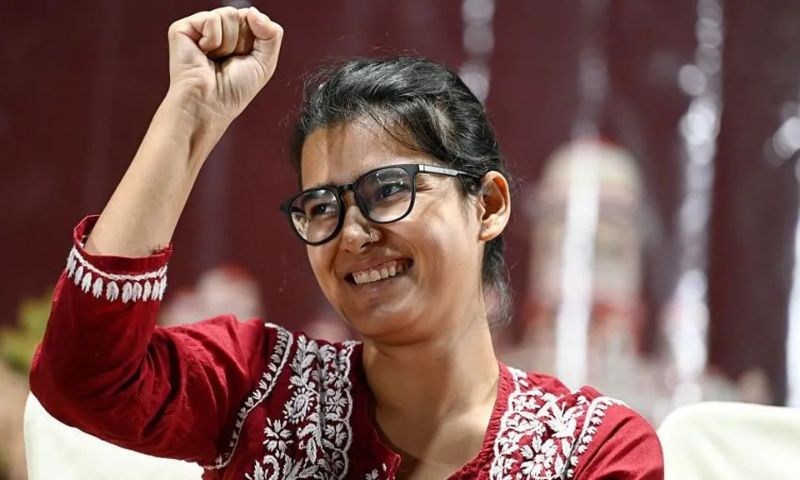
Among them is Neha Bora, a doctoral student and president of the left-wing All India Students’ Association, whose criticism of the government has attracted attention.
Women protesters have accused police of excessive force and sexual harassment, while activists have reported online threats and the circulation of abusive AI-generated images.
The allegations have intensified debate over the treatment of women participating in political demonstrations.
Political Challenge
The movement has drawn comparisons with recent youth-led protests in Bangladesh and Nepal, where online mobilisation played an important role in organising demonstrations.
Unlike conventional political parties, the CJP has relied heavily on satire, digital platforms and volunteer networks.
Its online evidence portal, Saakshi Vault, collects photographs and videos of alleged police misconduct, which volunteer lawyers use to pursue complaints.
However, the movement remains concentrated largely in urban centres and faces the challenge of building a broader organisation capable of sustaining its campaigns.
Five months after its formation, the CJP has moved from protests over education and employment to a wider confrontation over electoral administration, civil liberties and the role of young people in Indian politics.