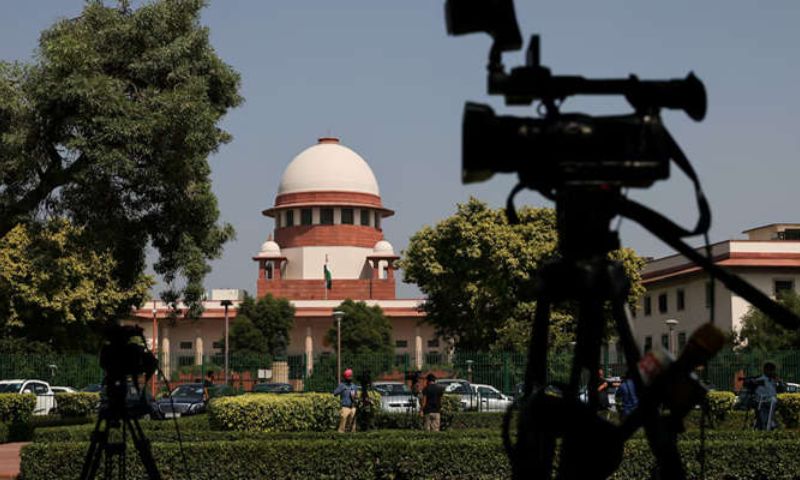
NEW DELHI: Indian media groups told the Supreme Court on Tuesday that Prime Minister Narendra Modi’s privacy law could force newsrooms to shut down, undermine investigative journalism and threaten press freedom, as they challenge the legislation over its potential impact on news reporting and journalists’ ability to protect confidential sources.
The challenge was brought before the Supreme Court of India on Tuesday, with media organisations arguing that requiring journalists to obtain consent from people they write about would effectively introduce a system of pre-censorship.
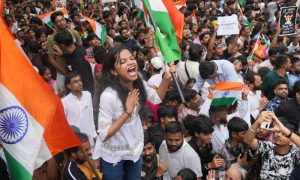
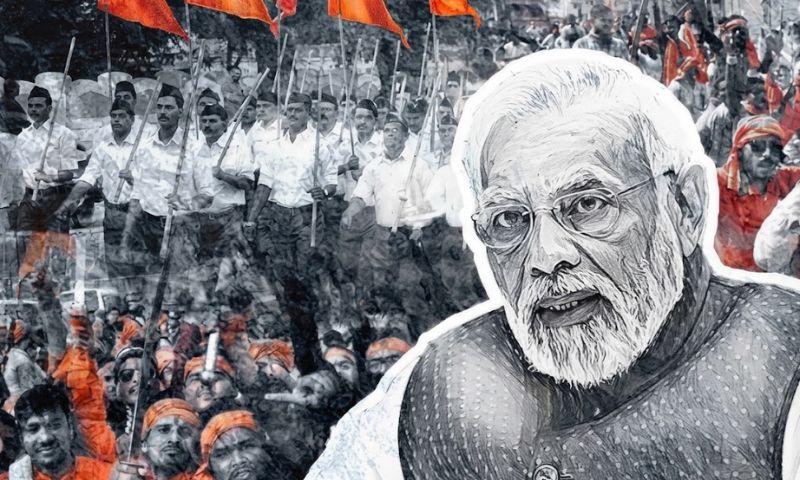
The legal challenge comes amid growing concerns over press freedom in India since Modi took office in 2014. Critics have accused the government of presiding over a decline in media independence.
21 news publishers challenge the legislation
A group of 21 news publishers, including media companies owned by billionaires Mukesh Ambani and Gautam Adani, has challenged the legislation, arguing that it could obstruct investigative reporting and enable the government to identify journalists’ confidential sources.
“It is changing the whole concept of what is news,” Madhavi Goradia Divan, counsel for the Digital News Publishers Association (DNPA), told the court.
“Newsrooms will shut down if we have to ask for permission… it’s then a complete regime of pre-censorship,” she said.
The Supreme Court has scheduled the next hearing for November, as the legal battle gathers momentum over the potential implications of the law for independent journalism.
The publishers are seeking the annulment of most of the legislation’s contentious provisions, which are due to take effect in May 2027.
They argue that the law could compel news organisations to remove published reports and grant the government powers to demand information from publishers, potentially exposing journalists’ sources.
In a filing earlier this month, the media groups said they were alarmed by the absence of an explicit exemption for journalists, unlike provisions they say exist in the European Union, Singapore and Britain.
Although media companies received assurances from the government during an August meeting that press freedom would be protected, the publishers said the lack of a written exemption failed to address their concerns.
READ ALSO: Indian Publishers Challenge Modi’s Restrictions
During Tuesday’s hearing, Divan told the judges that earlier drafts of the legislation had excluded journalists, but the final version did not retain that protection.
The DNPA, which is leading the legal challenge, represents major media organisations, including Ambani-owned Network18, Adani-owned NDTV, the Indian Express and Times Internet, part of the Times of India group.
Until now, the law had primarily faced legal challenges from free-speech activists and smaller news organisations. The involvement of major media groups has elevated the dispute into one of the most prominent legal tests of the Modi government’s approach to privacy regulation and press freedom.
The case is expected to test the balance between protecting personal privacy and safeguarding the public’s right to information, particularly when journalists investigate matters of public interest.