
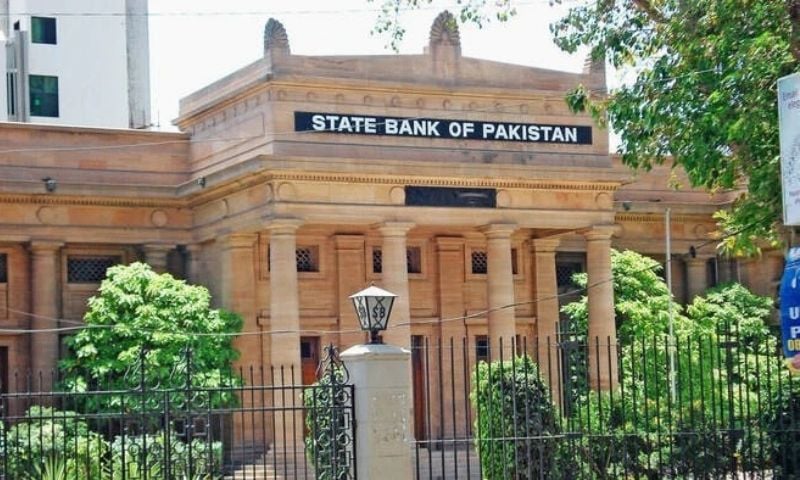
KARACHI: Pakistan’s central bank on Monday raised its key policy rate by 50 basis points to 12%, its first increase since April, as inflation, fuelled by high energy costs, remained above target.
The State Bank of Pakistan’s (SBP) Monetary Policy Committee (MPC) approved the increase by a majority vote of nine members out of ten, aiming to contain inflation, anchor market expectations and safeguard macroeconomic stability.
The Monetary Policy Committee (MPC) decided to increase the policy rate by 50 bps to 12 percent in its meeting today, with the majority decision of nine out of ten members, with effect from October 27, 2026.
For details: https://t.co/9AzpnhseRS https://t.co/FsR8gt2WMX— SBP (@StateBank_Pak) October 26, 2026
The decision reverses the central bank’s previous easing trend, which had brought the policy rate down from a record 22% in June 2023 as inflation moderated.
In its monetary policy statement, the MPC said the Middle East conflict had kept global energy prices persistently high.
Although the impact on Pakistan’s domestic economy had remained contained so far, the committee said geopolitical developments had worsened the inflation outlook compared with its previous assessment.
The Monetary Policy Committee (MPC) decided to increase the policy rate by 50 bps to 12 percent in its meeting today, with the majority decision of nine out of ten members, with effect from October 27, 2026.
For details: https://t.co/9AzpnhseRS https://t.co/FsR8gt2WMX— SBP (@StateBank_Pak) October 26, 2026
The central bank said the rate increase was necessary to prevent higher energy and food prices from spreading into broader inflation and to bring inflation within its target range of 5% to 7% over the medium term.
Inflation rose to 10.3% in September from 11% in August, but the Middle East conflict and disruptions in domestic wheat supplies continued to put pressure on prices.
The MPC warned that persistently high food and energy inflation could push up inflation expectations and eventually feed into core inflation. It also identified risks from global commodity price volatility, possible energy tariff adjustments, higher wheat prices and adverse weather conditions.
The committee said Pakistan’s foreign exchange reserves had remained stable at around $21 billion, while the country had reached a staff-level agreement with the International Monetary Fund (IMF).
Read Also: Pakistan Economy Gaining Stability Despite External Pressures
The SBP projected economic growth at 3.7% for the current fiscal year ending June 30, 2027, with growth expected to remain within the previously forecast range of 3.5% to 4.5%.
The central bank also noted that the Federal Board of Revenue had exceeded its revenue collection target during the first quarter of the fiscal year, while major central banks had raised interest rates amid renewed inflationary pressures.
Pakistan | Monetary Policy Update
The Monetary Policy Committee (MPC) has increased the policy rate by 50 basis points to 12%, marking another step toward monetary tightening.#IntermarketSecurities #MonetaryPolicy #SBP #PakistanEconomy #InterestRates https://t.co/An5shHCsI3
— Intermarket Securities Ltd. (@IMStradeonline) October 26, 2026
SBP governor highlights economic risks
Addressing a press conference, SBP Governor Jameel Ahmed said the decision reflected several underlying factors, particularly the deteriorating inflation outlook and the impact of geopolitical tensions on global oil and commodity prices.
He said nine MPC members had voted in favour of the 50-basis-point increase, while one member had a different view and favoured a larger hike.
Ahmed said the committee had considered consumer expectations, forecasts by economic analysts, global commodity prices, external account pressures, remittances and export trends before making its decision.
He acknowledged a deterioration in Pakistan’s current account position since the previous monetary policy meeting but said the deficit was expected to remain within 0% to 1% of gross domestic product (GDP).
State Bank of Pakistan raises policy rate https://t.co/8Ugub0hqS9
— Prof. Hussain Rammal (@HussainRammal) October 26, 2026
The governor also revised the central bank’s remittance projection upward from $44 billion to $45 billion. Exports were showing improvement, he said, although their performance remained below the economy’s requirements. Imports were estimated at nearly $71 billion.
Ahmed said inflation would take longer than previously expected to return to the target range, while the growth outlook remained vulnerable to a further escalation of the Middle East conflict and adverse climate conditions, including El Niño.
The MPC emphasised that stronger fiscal and external buffers, a prudent mix of monetary and fiscal policies, and timely structural reforms were essential to strengthen Pakistan’s resilience and support sustainable economic growth.
Before the latest increase, the SBP had maintained its policy rate at 11.5% after raising it by 100 basis points in April amid rising global energy prices and supply-chain risks.
The central bank had previously cut the rate by a cumulative 1,050 basis points from its record high of 22% in June 2023 as inflation eased from multi-decade highs.
Topline Monetary Policy Alert
Oct 26, 2026The State Bank of Pakistan (SBP) has raised the policy rate by 50bps to 12% in today’s Monetary Policy Committee (MPC) meeting, in line with our expectations.
Regards,
Topline Research— Topline Securities Ltd (@toplinesec) October 26, 2026
Meanwhile, Topline Securities said the latest increase was in line with its expectations.