
Key Points
- Existing policies could lead to 2.8°C of global warming by 2100
- Emissions must fall 18 per cent by 2030 and 45 per cent by 2035 to pursue a return to the 1.5°C threshold
- The UN says the world must limit temperature overshoot and accelerate the transition to clean energy
ISLAMABAD: The world seems on course for a dangerous rise in global temperatures this century as the UN foresees warming reaching 2.6°C above pre-industrial levels even if countries fulfil their existing climate pledges.
According to a new United Nations report released on Wednesday, global temperatures were rising faster than expected, and the climate change measures are slower than required.
The United Nations Environment Programme (UNEP), in its Emissions Gap Report 2026, warned that current government policies could raise global temperatures by 2.8°C by 2100.
The report highlighted the widening gap between climate commitments and the action required to limit global warming.
The projections are worse than those in last year’s assessment. The United States’ withdrawal from the Paris Agreement and revised estimates of historical emissions were widening the gap.
New national climate commitments submitted since the previous report have made almost no difference to the overall outlook, UNEP said.
Emissions cuts fall far short
The report calls for urgent, substantial reductions in greenhouse gas emissions to limit the warming extent and eventually return global temperatures to 1.5°C above pre-industrial levels by the end of the century.
To pursue this pathway, global emissions would need to decline by 18 per cent by 2030, 45 per cent by 2035 and 69 per cent by 2040, compared with 2025 levels.
However, even full implementation of countries’ existing climate pledges would reduce emissions by only 5 to 8 per cent by 2030 and 11 to 15 per cent by 2035, leaving a substantial shortfall.
The 2015 Paris Agreement committed countries to keeping the rise in global average temperatures well below 2°C above pre-industrial levels while pursuing efforts to limit it to 1.5°C.
READ ALSO: World Must Navigate ‘Reality’ of 1.5C Global Warming Overshoot: UN
UNEP said the world could no longer prevent temperatures from temporarily exceeding the 1.5°C threshold.
The priority must now be to minimise the extent and duration of this overshoot and bring temperatures back to that level by 2100.
Clean energy to check warming
UN Secretary-General António Guterres said governments must not abandon efforts to curb global warming. He stressed that the scale of future damage would depend on how quickly emissions were reduced.
Under UNEP’s most ambitious scenario, warming could peak at nearly 1.7°C to 1.8°C around the mid-century before returning to 1.5°C or below by 2100.
The scenario carries roughly a 50 per cent chance of achieving that outcome and depends on deep emissions cuts and extensive removal of carbon dioxide from the atmosphere.
The report estimates that this pathway would require removing and permanently storing around 320 billion tonnes of carbon dioxide over the course of the century.
The undertaking presents substantial technological and economic challenges.
Despite the worsening projections, UNEP highlighted progress in renewable energy.
Global renewable electricity capacity has expanded about three times faster than anticipated when the Paris Agreement was adopted.
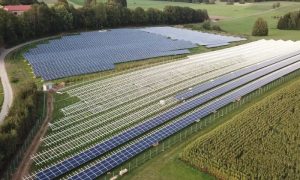
Meanwhile, solar power deployment has grown around seven times faster than expected.
The report said governments could build on these advances by accelerating renewable energy deployment, improving energy efficiency, reducing dependence on fossil fuels, cutting methane emissions and reversing deforestation.
The findings precede the United Nations climate conference, COP31, scheduled to take place in Antalya, Türkiye, in November.
The meeting is expected to place renewed attention on the gap between countries’ climate commitments and the measures needed to curb global warming.
UNEP said every year of delay would make the task more difficult. Faster action could still reduce the severity of climate change and improve the prospects of bringing temperatures back towards the Paris Agreement’s long-term goal.