GAZA: The United Nations World Food Programme (WFP) will end monthly food or cash assistance to 500,000 people in the Gaza Strip due to a severe funding shortfall, despite widespread hunger and acute humanitarian needs in the war-battered Palestinian territory.
Following the cuts, around 1.1 million Palestinians in Gaza – approximately half the population – will continue receiving monthly food or cash assistance from the UN agency, although the amount of support will also be reduced.
The WFP said its humanitarian operations had helped mitigate the impact of famine conditions in Gaza last year, warning that the situation remained too fragile for aid to be withdrawn.
“People are not safe. Airstrikes continue on a daily basis. People continue to be displaced,” Shaun Hughes, the WFP country director, said. “Almost everybody remains without a permanent home to live in. And the humanitarian conditions are brutal,” he added.
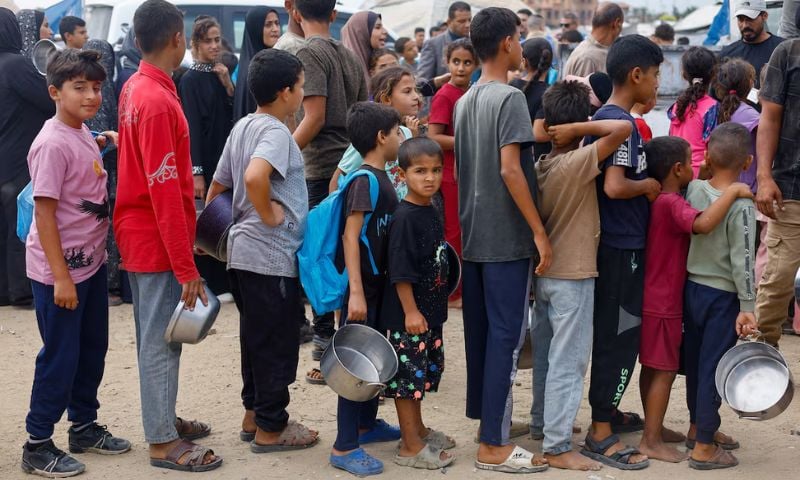
According to the latest assessments cited by Hughes, approximately 1.4 million people, or two-thirds of Gaza’s population, remain acutely food insecure and dependent on humanitarian assistance for survival.
In August 2025, the UN-backed Integrated Food Security Phase Classification (IPC) declared famine conditions in Gaza. The famine classification was lifted in December, two months after a US-brokered ceasefire was announced.
However, Israel has continued carrying out strikes in the territory, saying it is targeting individuals involved in the October 7, 2023, attacks. Since the ceasefire, the WFP has increased its operations, reaching between 1.5 million and 1.8 million people each month.
“This has been a lifeline. But now, rather than being able to sustain and scale up that assistance, we’re actually having to reduce it,” Hughes said. He stressed that the cuts were not the result of restrictions on humanitarian access but were driven by a lack of funding.
Reduced food parcels and cash assistance
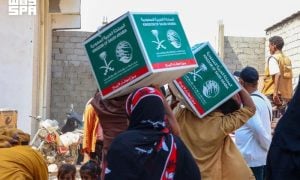
Alongside the reduction in the number of beneficiaries, the WFP is cutting the quantity of assistance provided to households. Under the revised arrangements, families receiving food aid will get one food parcel instead of two, along with a smaller bag of wheat flour, according to an operational note issued by the agency.
Meanwhile, approximately 75,000 families receiving cash assistance will see their monthly payments reduced from 1,250 to 750 Israeli shekels – equivalent to a cut from around $400 to $240.
The WFP, which relies on contributions from governments and private donors, has faced a significant decline in resources. The agency has been affected by reductions in US funding for UN organisations and bilateral assistance since President Donald Trump returned to office.
READ ALSO: Gaza Suffers World’s Worst Ever Economic Crisis: UN
The agency estimates that it needs approximately $450 million over the next six months to maintain operations in Gaza and the occupied West Bank. However, it has received only about half its usual level of funding for the Palestinian territories in 2026.
In September, the WFP also halved the number of people receiving assistance in the West Bank, reducing its caseload from 400,000 to 200,000. Israel has occupied the West Bank since 1967. “Now is not the time in the history of Palestine and Gaza to turn away from what is happening in Gaza,” Hughes said.
Winter raises fresh humanitarian concerns
Although humanitarian conditions in Gaza have improved moderately, the WFP has warned that needs could increase again as winter approaches, placing additional pressure on already vulnerable families.
Israel has allowed more goods to enter Gaza under the terms of the US-brokered ceasefire. However, it continues to impose strict restrictions on shipments of items it considers to have potential military applications.
According to the United Nations, these restrictions have extended to essential medical equipment, including prosthetic limbs, further complicating efforts to meet the needs of civilians affected by the conflict.
Israel has intensified its longstanding criticism of the United Nations since the Gaza war, accusing the organisation of bias and of perpetuating Palestinian dependency on international aid.
The latest WFP cuts underscore the growing strain on humanitarian operations in Gaza, where millions of people continue to face displacement, food insecurity and shortages of essential supplies.