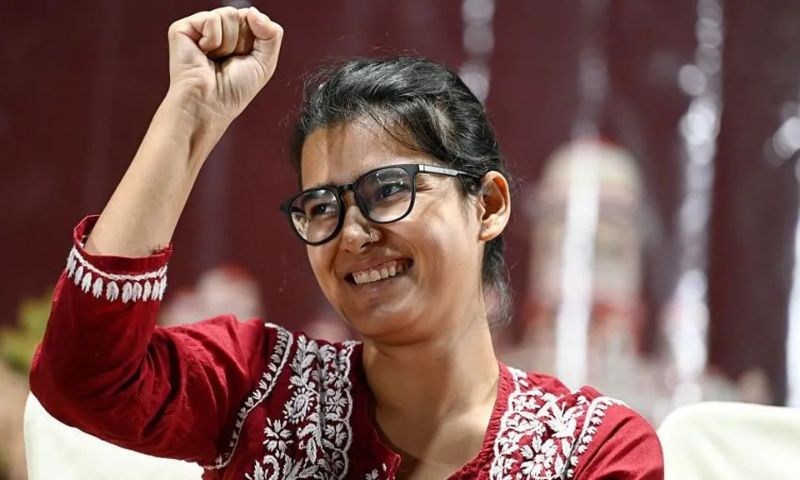
NEW DELHI: Student activist Neha Bora has emerged as a prominent face of India’s youth-led protests, helping mobilise demonstrators and sustain opposition to disputed voter-list revisions despite repeated detentions by police.
Bora, president of the All India Students’ Association, has been detained several times in recent days as authorities moved to restrict demonstrations in the capital, according to The New York Times.
The 29-year-old activist has drawn attention for repeatedly returning to the streets after being released from custody, rallying supporters and navigating police barricades as demonstrations intensified.
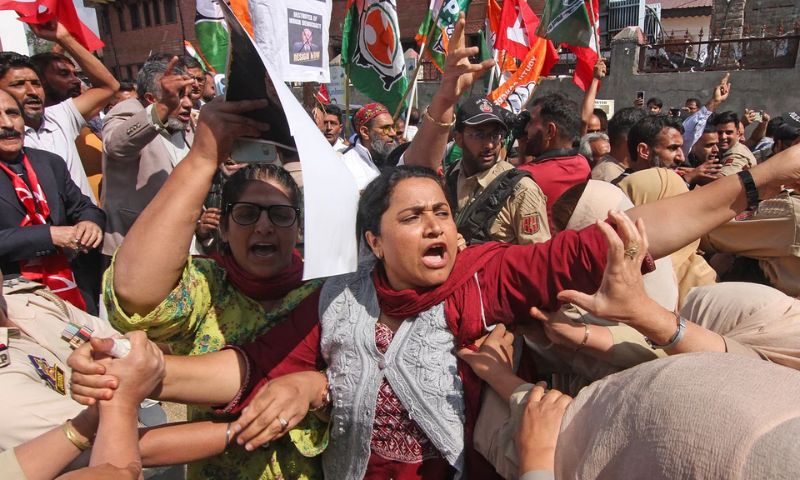
Bora’s prominence has grown as leaders of the youth-led Cockroach Janta Party (CJP) have also faced detention, leaving student groups and left-wing organisations to maintain pressure through street protests.
Neha Bora, a theatre artist and activist, has been associated with the All India Students’ Association (AISA), a left-wing organisation known for its campus politics, for the past decade.
They have served as its president for the past two years. However, Bora, who uses they/them pronouns, has now gained prominence well beyond university campuses.
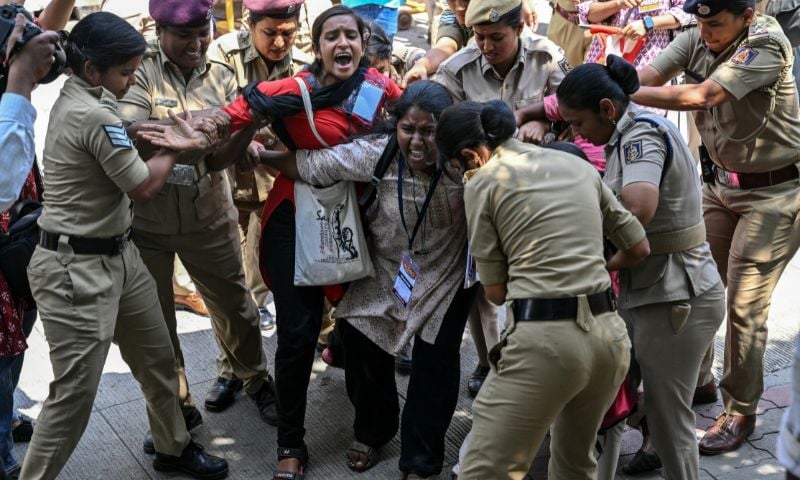
Viral videos circulating in recent days show female police officers dragging them along the streets, climbing police barricades, raising a fist and shouting slogans before being detained. Photographs of Bora smiling as policewomen carry them away have also spread widely on social media.
A Protest Leader Emerges
Images and videos of Bora confronting police restrictions have circulated widely online, helping turn the student leader into a recognised figure in the growing movement.
Bora, who uses they/them pronouns and is commonly known by one name, has appeared at opposition rallies and news conferences alongside established political figures.
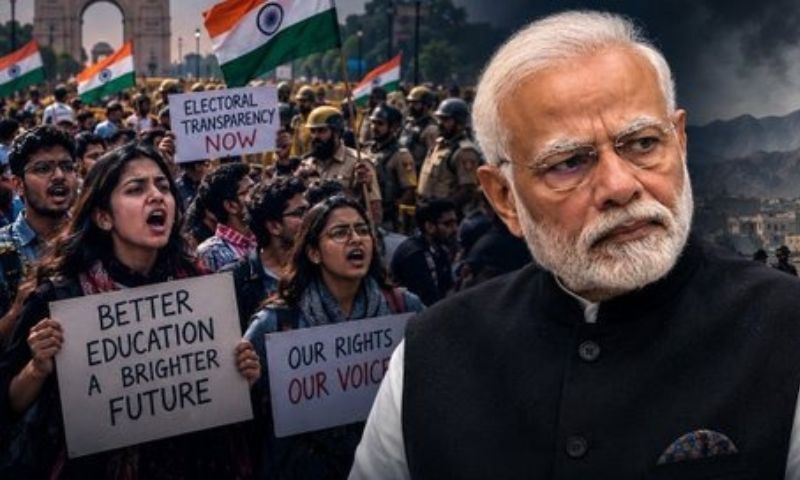
The protests reflect wider frustration among young Indians over unemployment, problems in the education system and concerns about women’s safety. In recent months, demonstrators have increasingly focused on political accountability and the handling of electoral processes.
Dispute Over Voter Lists
In a recent interview with BBC Bangla, Bora played down the attention they have received, saying their actions were similar to those of other left-wing student activists but had attracted greater notice because cameras were focused on them.
“I know it happened in front of the camera, so it seems like it’s something different,” they said. “But I have seen all student activists with the Left doing the same things that I have been doing. It’s just that there is a camera on me, so people think something different is happening.”
The spotlight on Bora comes as several high-profile protests take place across India, presenting a major challenge to Prime Minister Narendra Modi, who has been in power for 12 years.
The demonstrations have centred on a revision of voter lists that opposition parties say disproportionately affects Muslims and other minority communities and could benefit Prime Minister Narendra Modi’s Bharatiya Janata Party (BJP).
India’s Election Commission has rejected allegations of political bias, saying the revision included people who had died, relocated or could not be traced. It has also said voters wrongly removed from the lists can re-enrol.
The dispute has intensified after reports that senior election officials raised internal concerns about voter-list changes, registration procedures and digital systems.
The government and the BJP have accused opposition groups of using the issue to undermine legitimate electoral processes.
Crackdown and Resistance
Born in the northern Indian state of Uttarakhand, Neha Bora moved between cities during childhood as their father, an army officer, was transferred to different postings.
After graduating from Delhi University, they completed a master’s degree at Ambedkar University in New Delhi.
They are now pursuing a PhD at the prestigious Jawaharlal Nehru University (JNU). Bora first came into the spotlight during the summer, when they took part in the Cockroach Janta Party’s (CJP) protests against education reforms.
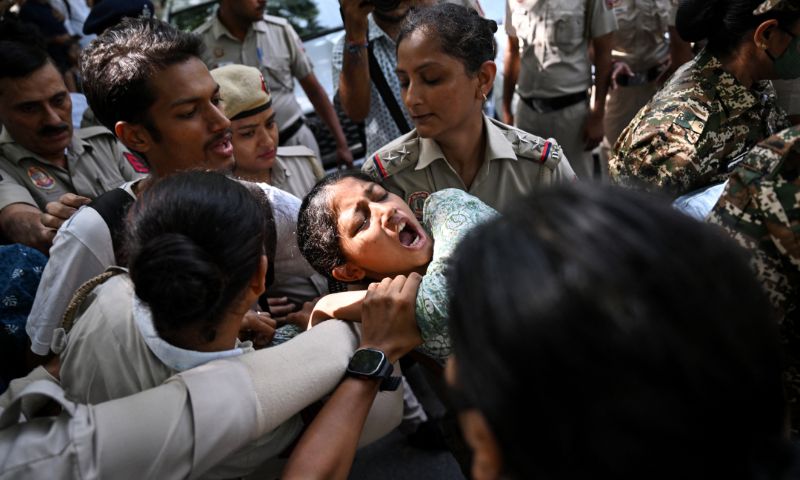
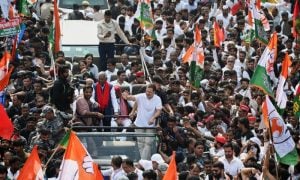
Police have detained protesters across New Delhi as authorities sought to prevent demonstrations at restricted locations. Student activists have continued to organise gatherings despite barricades and repeated arrests.
Bora’s repeated return to the streets has made them a central figure in the movement, according to The New York Times, which interviewed the activist between detentions.
The protests come amid broader concerns among young Indians about economic opportunities, education and political accountability.
After the protests ended in July, Bora established themselves as a Gen Z leader, attracting attention from the CJP and the media. They have also appeared alongside Congress leader Rahul Gandhi at press conferences.
Bora has travelled to several Indian cities to join protests in support of students.
They made headlines during a protest march in Jharkhand state when a man allegedly threw ink at them. A photograph shared on their Instagram account showed ink streaks across their face. Police said the man had been detained.
Their vocal participation in demonstrations and repeated detentions have earned Bora a reputation as a prominent street protester.