
ISLAMABAD, Pakistan: Pakistan joined the international community in marking World Mental Health Day on Saturday, with President Asif Ali Zardari and Prime Minister Shehbaz Sharif urging greater access to treatment, an end to social stigma and stronger support for people experiencing mental health conditions.
According to figures cited in reports attributed to the United Nations, around 32.4 million people in Pakistan require mental health care.
At the same time, only about 5% of the population has access to mental health services, leaving a substantial treatment gap.
The observance aims to raise awareness, challenge discrimination and improve access to treatment and support for people facing psychological challenges.
Leaders Call for Action
In his message, Prime Minister Shehbaz Sharif said mental health must be recognised as an essential component of overall health and called for people with lived experience to have a meaningful role in shaping policies and services.
This year’s theme, “Lived Experiences Heard: Real Voices, Real Change,” highlights the importance of listening to people affected by mental health conditions and incorporating their perspectives into decisions about treatment and support.
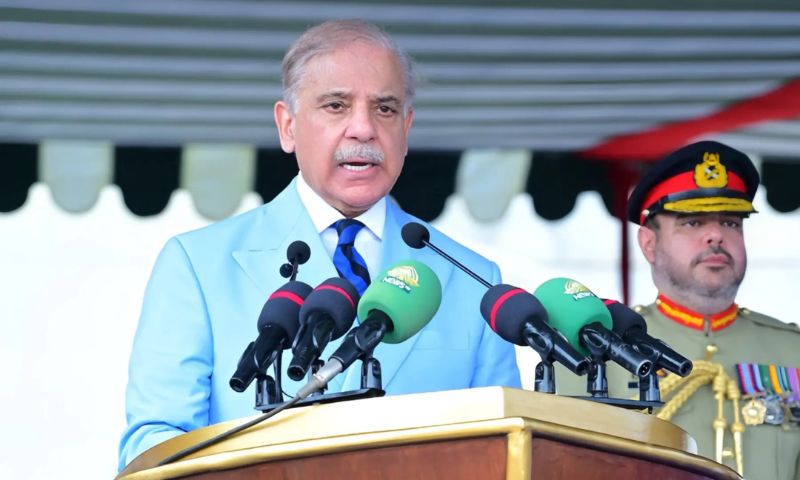
Sharif said the government was working through the Ministry of National Health Services on Pakistan’s National Mental Health Policy 2026–2035, aimed at making care more accessible, equitable and rights-based.
He said the government was working with provincial administrations and other stakeholders to integrate mental health services into primary healthcare facilities, educational institutions and community-based platforms.
President Asif Ali Zardari also called for stronger mental health services, greater public awareness and action against stigma and discrimination.
Message from President Asif Ali Zardari on the occasion of World Mental Health Day, 10 October 2026
On the occasion of World Mental Health Day, I extend my greetings and best wishes to people across Pakistan, particularly to persons living with mental health conditions, their families and caregivers, mental health professionals, and all those working to promote mental health and well-being in our country.
The theme of this year’s World Mental Health Day, “Lived experiences heard: real voices, real change,” highlights the importance of listening to those who have experienced mental health challenges and ensuring that their perspectives inform the policies, services and decisions that affect their lives.
Mental health is an integral part of health, human dignity and national development. We must continue to build a Pakistan where people can seek mental health support without stigma or discrimination, where quality services are accessible and affordable, and where every individual can live with dignity and hope.
I appreciate the efforts of health professionals, civil society organisations, development partners, communities and families to strengthen mental health services and support the integration of mental health into primary healthcare and wider health and social development initiatives.
Our commitment to mental health must reach all segments of society, particularly children and young people, women, persons with disabilities, vulnerable populations and those affected by emergencies and adversity.
On this important occasion, I call upon all stakeholders to move beyond awareness to meaningful action by listening to people with lived experience, addressing stigma and discrimination, strengthening community-based mental health services and ensuring that mental health remains an integral part of universal health coverage and national development.
Let us work towards a Pakistan where every person is heard, valued and treated with dignity, and where mental health is recognised as an essential part of the health and well-being of our people.
——-
— The President of Pakistan (@PresOfPakistan) October 9, 2026
He urged stakeholders to move beyond awareness campaigns by strengthening community-based services and ensuring that mental health forms an integral part of universal health coverage and national development.
Shortage of Specialists
Limited access to qualified professionals remains a major challenge. Reports indicate that Pakistan has approximately 0.19 psychiatrists per 100,000 people, compared with an average of seven per 100,000 in high-income countries.
The shortage of specialists, combined with limited treatment facilities and social stigma, can prevent people from seeking timely help.
The government launched the National Mental Health Policy 2026–2035 on October 1 with support from the World Health Organisation, UNICEF and other partners. The policy aims to improve care and expand access to services for people who need them.
Focus on Young People
Sharif stressed that mental health extends beyond the treatment of illness, playing a central role in the development of children and young people and their ability to realise their potential.
He called for particular attention to children, women, people with disabilities and disadvantaged communities, including those affected by poverty, displacement, emergencies and climate change.
Both leaders urged families, educational institutions, healthcare professionals, civil society and government bodies to help create an environment in which people can seek support without fear of embarrassment or discrimination.
The annual observance serves as a reminder that improving mental health requires sustained investment in services, early diagnosis, community support and public understanding.