WASHINGTON: Developing countries are facing mounting pressure from rising energy costs, higher borrowing rates and extreme weather, with the situation approaching levels seen during the Covid-19 pandemic, the United Nations Development Programme (UNDP) warned on Friday.
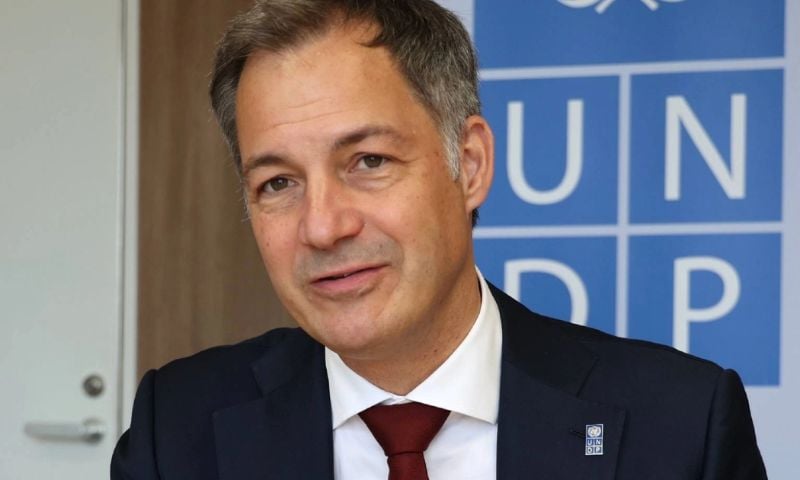
UNDP Administrator Alexander De Croo said the combination of crises could create a “domino effect”, pushing a large number of developing countries into financial distress.
Global policymakers are expected to address the challenges facing developing economies during the annual meetings of the International Monetary Fund (IMF) and World Bank, scheduled to take place in Bangkok, Thailand, from October 12 to 18.
The meetings will bring together senior financial officials from around the world to discuss the global economy, artificial intelligence, climate change and other major issues.
De Croo said developing countries were being squeezed by several pressures at the same time, including surging oil prices and borrowing costs.
Government borrowing costs have risen to their highest levels in several decades amid renewed concerns about inflation, while the war in Iran has added to pressure on global energy prices.
At the same time, the strongest El Nino weather event since 1950 is expected to bring heavier flooding to some regions and drought to others, potentially pushing an additional 49 million people into food insecurity by the end of 2027.
Energy and food pressures
De Croo said UNDP surveys carried out since the start of the war showed that the conflict had developed from a regional crisis into one with an impact on approximately 100 countries.
Many governments initially introduced measures to protect households from higher oil and food prices. However, these efforts have placed increasing pressure on public finances and pushed debt levels higher.
“Many, many countries” could face financial distress as their fiscal resources become increasingly limited, De Croo warned. He stopped short of calling for a new round of debt relief, but said governments should concentrate on measures aimed at protecting the most vulnerable sections of society.
Some countries are attempting to diversify their energy supplies and adapt their food systems to changing conditions, but De Croo said such measures would take time to produce results. For now, he said, developing countries remained in a “really tough” situation.
Subsidies under pressure
UNDP Chief Economist George Gray Molina said a significant shift had emerged in September, with some governments beginning to pass higher energy costs on to consumers.
Several countries have also started reducing subsidies, tax relief and other measures that had helped keep food and energy prices under control since the war began.
“This is a significant issue that needs to be discussed,” Molina said, noting that governments were increasingly unable to absorb the financial burden.
READ ALSO: Afghanistan’s Economic Recovery Falters as Nine in 10 Families Go Hungry: UNDP
Even middle-income countries have rapidly used up their fiscal reserves while trying to protect their populations from rising energy costs, he said.
Molina added that developments in bond markets and oil prices over the next 60 days would be particularly important. According to the UNDP, higher prices had already contributed to protests and social unrest in 10 countries during September.
Worst may still be ahead
UNDP surveys also indicated that many governments expect conditions to worsen. Of the 26 countries surveyed, 22 rated the crisis as either a high or medium priority.
Thirteen said it had emerged alongside an existing economic or fiscal crisis. All 26 countries surveyed said they believed the worst of the crisis was still to come.
The UNDP’s warning comes as developing economies face the combined impact of expensive energy, elevated debt-servicing costs, food insecurity and increasingly severe weather conditions, leaving governments with less fiscal space to respond to further shocks.