RIYADH: The Saudi Cabinet on Tuesday stressed the importance of ensuring freedom of navigation in the Strait of Hormuz, the Bab al-Mandab Strait, the Red Sea and the Gulf of Aden.
The Cabinet also called for restoring conditions in the Strait of Hormuz to those prevailing before February 28, with no fees or restrictions imposed on navigation.
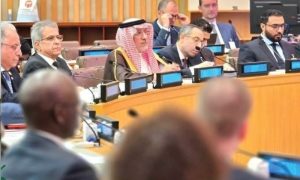
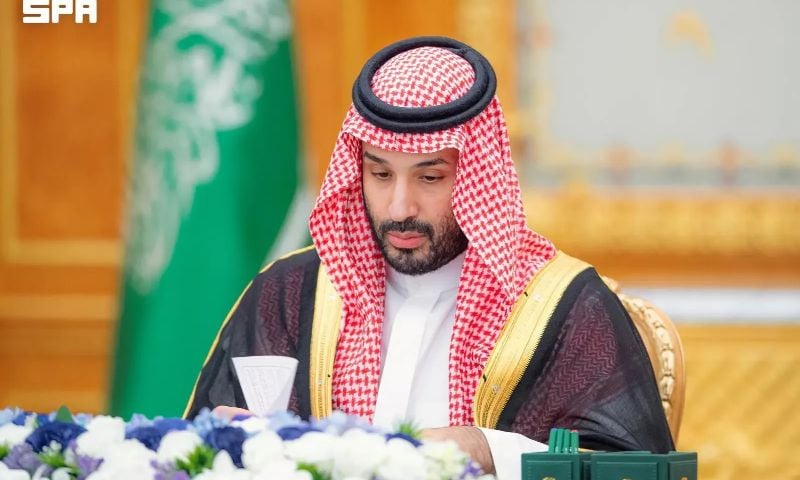
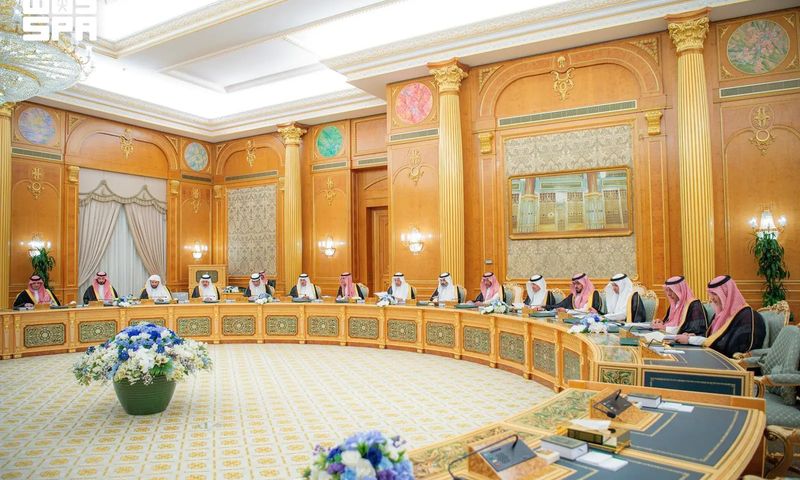
Crown Prince and Prime Minister Prince Mohammed bin Salman bin Abdulaziz Al Saud chaired the Cabinet session held in Riyadh, the Saudi Press Agency (SPA) reported.
HRH the Crown Prince Chairs Cabinet Session in Riyadh.https://t.co/dAAWxuldwy#SPAGOV pic.twitter.com/ZLDbTBXfu7
— SPAENG (@Spa_Eng) September 29, 2026
Progress on Makkah Defence Alliance
The Cabinet reviewed progress in establishing the General Secretariat of the Makkah Joint Defence Alliance as well as the formation of its committees and working groups.
It also reviewed steps taken during meetings of the foreign ministers and chiefs of general staff of Saudi Arabia, Pakistan and Turkiye to strengthen coordination and integration among the three countries and begin translating the agreement’s commitments into military cooperation aimed at strengthening deterrence and collective defence.
On August 7, Pakistan, Saudi Arabia and Turkiye signed the agreement to strengthen collective deterrence against any act of aggression, which stipulated that an armed attack against any of the three countries would be regarded as an attack on all.
Prime Minister Muhammad Shehbaz Sharif, Saudi Crown Prince Mohammed bin Salman and Turkish President Recep Tayyip Erdogan signed the agreement.
Houthi terrorist militia attacks against Saudi Arabia
The Cabinet followed developments in political issues at the regional and international levels and welcomed the statement issued by members of the United Nations Security Council (UNSC), which condemned the continued attacks by the Houthi terrorist militia against Saudi Arabia and commercial vessels, threats to the security of navigation in the Red Sea and the Bab al-Mandab Strait, and the undermining of efforts aimed at achieving peace in Yemen.
Saudi Cabinet reviews UNGA participation
In a statement following the session, Minister of Media Salman Al-Dossary said the Cabinet reviewed the outcomes of Saudi Arabia’s participation in the High-Level Week of the 81st session of the United Nations General Assembly.
The Cabinet praised the national efforts and Saudi Arabia’s role in the global event, particularly its support for multilateral action, international peace and security, dialogue and diplomacy, and efforts to address global crises and humanitarian challenges.
Cabinet backs UN counter-terrorism support
The Cabinet described Saudi Arabia’s financial support for programmes of the United Nations Counter-Terrorism Centre as an important part of the Kingdom’s efforts to combat terrorism in all its forms.
It stressed the importance of the centre in strengthening national capacities, coordinating international efforts and promoting cooperation in counter-terrorism.
ALSO READ: Saudi Arabia, US Stress Maritime Security in Key Waterways
Saudi Cabinet Condemns Al-Aqsa Violations
Minister Al-Dossary said the Cabinet strongly condemned continued assaults by Israeli authorities and extremist settlers on the sanctity of Al-Aqsa Mosque and its religious and historical status, as well as efforts to undermine the legitimate rights of the Palestinian people.
He said the Cabinet also reaffirmed Saudi Arabia’s position that a just and lasting peace requires implementation of the two-state solution and the establishment of an independent Palestinian state along the 1967 borders, with East Jerusalem as its capital.
At the outset of the session, the Crown Prince briefed the Cabinet on his phone calls with Russian President Vladimir Putin, Qatari Emir Sheikh Tamim bin Hamad Al Thani and President of Sudan’s Transitional Sovereignty Council Abdel Fattah Al-Burhan.
He also briefed the Cabinet on his meeting with UAE Vice President, Deputy Prime Minister and Chairman of the Presidential Court Sheikh Mansour bin Zayed Al Nahyan.
The discussions covered Saudi Arabia’s relations with the countries concerned, ways to strengthen bilateral ties across various fields, as well as regional developments and efforts to promote security and stability at regional and international levels.