Key Points
- Missile targeted Khamis Mushait in southwestern Saudi Arabia
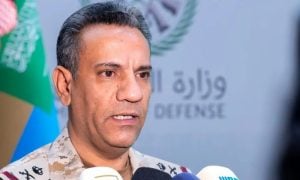
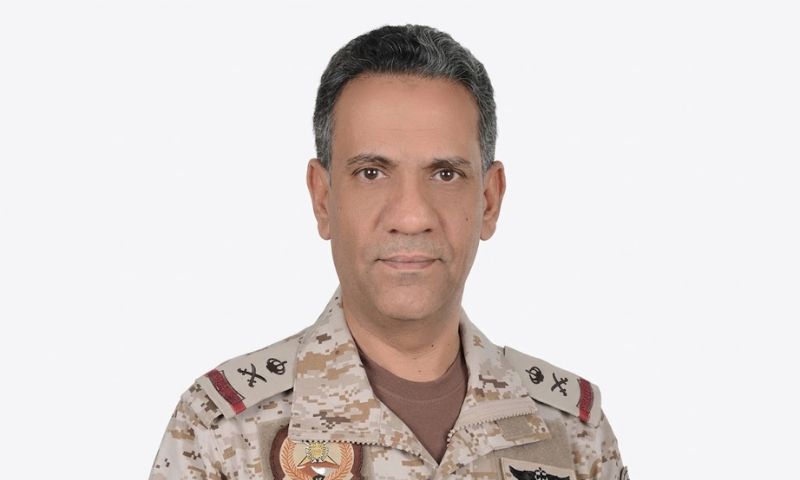
- Coalition spokesperson Major General Turki Al-Malki confirms interception
RIYADH: Spokesperson for the Coalition to Restore Legitimacy in Yemen, Major General Turki Al-Malki, stated that the air defence intercepted and destroyed a ballistic missile launched by the terrorist Houthi militia toward Khamis Mushait.
Al-Malki said air defence intercepted and destroyed the missile before it could reach its intended target, according to the Saudi Press Agency (SPA).
Khamis Mushait is located in Saudi Arabia’s southwestern Asir province, near the border with Yemen.
The Coalition to Restore Legitimacy in Yemen has previously reported interceptions of missiles and drones launched by the Houthis toward Saudi territory.
The Houthis control parts of northern Yemen and have been engaged in a prolonged conflict with Yemen’s internationally recognised government.
Saudi Arabia has led the coalition supporting the internationally recognised Yemeni government in the conflict.
Military chiefs condemn Houthi attacks
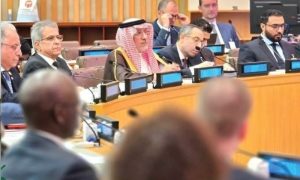
The latest attack followed the first meeting of defence chiefs and chiefs of general staff from Saudi Arabia, Pakistan and Türkiye, which reaffirmed their commitment to collective defence and agreed to deepen military cooperation under the Makkah Joint Defence Agreement.
READ ALSO: Military Chiefs Of Makkah Joint Defence Agreement Meet In Riyadh
The meeting was held in Riyadh on Friday as the three countries of the Makkah Joint Defence Agreement — the Kingdom of Saudi Arabia, the Islamic Republic of Pakistan and the Republic of Türkiye reviewed the security situation facing Saudi Arabia and discussed measures to strengthen coordination among their armed forces.
The military leaders strongly condemned attacks targeting the holy city of Makkah as well as civilian and economic infrastructure in Saudi Arabia.
The latest incident follows repeated international condemnation of Houthi attacks against Saudi Arabia, particularly strikes affecting civilians and civilian infrastructure.
The United Nations Security Council on September 25 condemned the escalating Houthi attacks against Saudi Arabia and called for an immediate halt to the military escalation.
The Council expressed concern over attacks affecting civilians and civilian infrastructure and reaffirmed the importance of respecting Saudi Arabia’s sovereignty and territorial integrity.
UN briefings have reported that Houthi attacks on September 8 targeted areas including Abha, Khamis Mushait, Jizan and Najran, with the attacks reportedly causing 73 civilian injuries and damage to civilian and energy infrastructure.
UN officials have stressed that attacks against civilians and civilian objects are unacceptable and should cease.
The Gulf Cooperation Council (GCC) has also condemned the attacks. Earlier in the month, GCC Secretary-General Jasem Mohamed Albudaiwi condemned Houthi attacks targeting civilians, national assets, civilian infrastructure and civilian objects in southern Saudi Arabia. The GCC said the attacks violated international law and threatened regional security and stability.
On September 24, the GCC condemned Houthi ballistic missile launches toward Taif and Yanbu, reaffirming the six-member bloc’s solidarity with Saudi Arabia and support for measures taken to protect its sovereignty and security. The following day, the GCC condemned attacks involving ballistic missiles and drones targeting Riyadh and Khamis Mushait.
The Organisation of Islamic Cooperation (OIC) has likewise condemned Houthi attacks on Saudi territory. In August, it condemned attacks in Najran that injured 11 civilians, describing them as a dangerous escalation and deliberate targeting of civilians and civilian property. The OIC called on the international community to address attacks it said violated international law and threatened regional peace and security.
The repeated condemnations have underscored concerns that Houthi missile and drone attacks could further destabilise the region and threaten civilian life, critical infrastructure and energy supplies. UN and regional organisations have called for restraint and compliance with international law, while stressing the need to protect civilians and civilian facilities from attack.