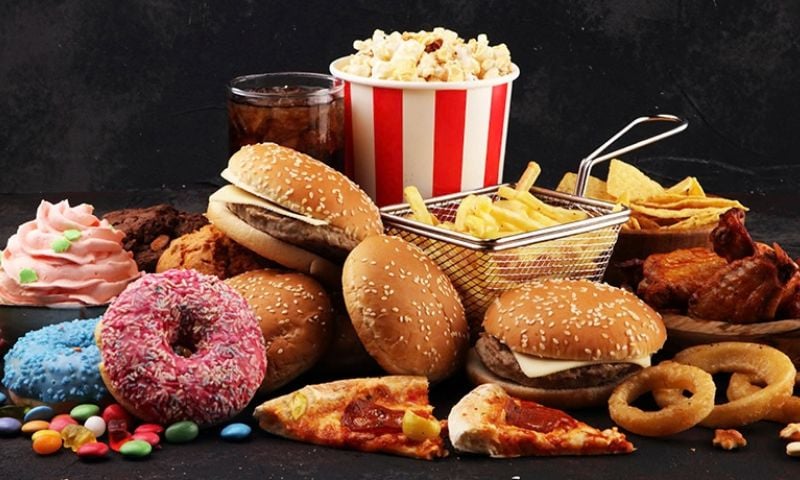
SAN FRANCISCO, US: Cutting back sharply on ultra-processed foods may help reduce symptoms of depression and anxiety, according to a new pilot study that adds to growing research on the connection between diet and mental health.
The study, published in JAMA Psychiatry, found that participants experienced lower depression and anxiety scores after reducing their ultra-processed food intake by more than 85%. Researchers cautioned, however, that the study involved only 20 people and larger trials are needed to determine whether the dietary change directly improves mental health.
People had less depression and anxiety after cutting their ultra-processed food intake by more than…https://t.co/xMty0M81hZ pic.twitter.com/mXSDC7mrNd
— MedicineNet.com (@MedicineNet) September 25, 2026
Study shows promising results
Researchers at the University of California, San Francisco (UCSF) recruited 20 adults diagnosed with depression. Fourteen participants also had anxiety, while all had a high body mass index and at least one metabolic abnormality, such as high blood pressure, diabetes or elevated cholesterol.
The participants were divided into two groups. One group continued its usual diet for four weeks, while the other followed a diet with substantially less ultra-processed food. After four weeks, the groups switched diets, allowing researchers to compare participants’ symptoms under both dietary conditions.
Read Also: Health Experts Warn: Sedentary Lifestyles and Junk Food Fuelling Heart Risks in Youth
Nineteen participants completed the study. Their ultra-processed food consumption fell substantially during the low-ultra-processed-food phase, while depression scores were lower across three measures. Anxiety scores also showed a modest improvement. No adverse events were reported.
What counts as ultra-processed food?
Ultra-processed foods include many packaged snacks, sugary drinks, ready-to-eat or ready-to-heat products, processed meats, packaged baked goods and other industrially manufactured foods containing ingredients such as added sugars, refined starches, flavorings, colors, emulsifiers and preservatives.
Lead researcher Dr. Nyasha Chagwedera, an assistant professor of psychiatry and behavioral sciences at UCSF, said reducing such foods can be difficult because they are often inexpensive, convenient and highly palatable.
Read Also: UK Starts Ban on Junk Food Ads on Daytime TV and Online
The researchers proposed that the relationship between diet and depression could partly involve the gut-brain connection. Chagwedera suggested that diets high in ultra-processed foods could affect the gut’s protective lining and contribute to inflammation, although the study did not establish this as a direct cause of depression.
Just one small serving of ultra-processed food a day linked to higher disease risk, major study finds | Fox News
Just an extra 3½ ounces of ultra-processed foods (UPFs) a day was linked to a higher risk of chronic disease, according to a new large-scale analysis.
The study,… pic.twitter.com/G5rC1idqXf
— Owen Gregorian (@OwenGregorian) September 24, 2026
Researchers call for larger trials
Senior researcher Dr. Andrew Krystal, a professor of psychiatry and behavioral sciences and neurology at UCSF, said the pilot study established the feasibility of conducting larger research into the effects of reducing ultra-processed foods among people with depression.
Read Also: Childhood Obesity Overtakes Undernutrition for First Time, UNICEF Warns
The study was conducted between June 2024 and June 2025. Researchers noted several limitations, including the small sample size and reliance on participants’ self-reported food consumption. They said future studies should involve larger groups and more objective measurements of ultra-processed food intake.
The researchers expect a second phase of the study to begin enrollment in 2028.