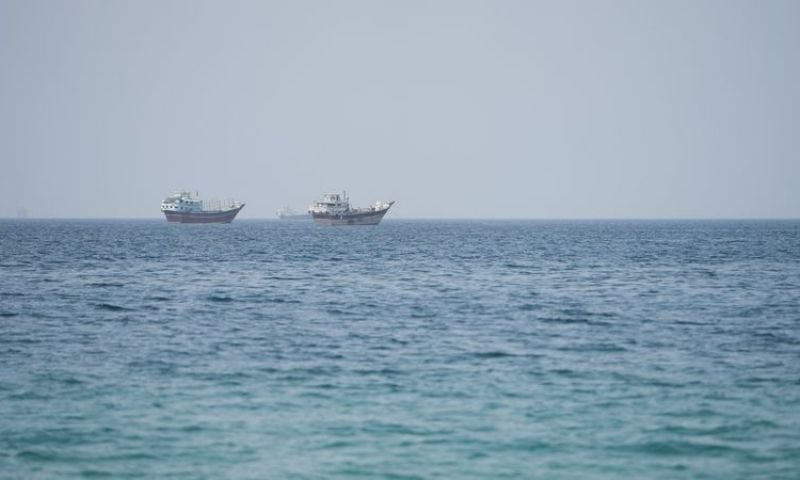
GENEVA: Global trade is facing its most severe disruption in eight decades as supply chain bottlenecks in the Strait of Hormuz threaten to drive up food and fertiliser prices, Anadolu reported, citing World Trade Organisation (WTO) Director-General Ngozi Okonjo-Iweala.
Speaking on the sidelines of the WTO’s Public Forum in Geneva, Okonjo-Iweala said the global trading system remained resilient, but the ongoing conflict in the Middle East was posing a major test for the organisation’s 166 member countries.
She noted that global trade in goods had grown by an unexpectedly strong 4.6 per cent this year despite geopolitical pressures, while 72 per cent of global commerce continued to operate under WTO rules.
Global trade is facing its worst disruption in 80 years as supply chain bottlenecks in the Strait of Hormuz threaten global food and fertiliser prices, WTO chief warnshttps://t.co/nH5eWaPlM9
— TRT World (@trtworld) September 18, 2026
The WTO had initially projected overall growth in goods trade at 1.9 per cent for the year. However, first-quarter growth reached 3.2 per cent, exceeding expectations and reflecting continued resilience in global trade despite mounting geopolitical risks.
EU Red Sea naval mission raises alert level
Meanwhile, the European Union says its naval mission escorting ships through the Red Sea has raised its alert level, as Houthis in Yemen threaten the key waterway.
“Europe is helping protect shipping in the Red Sea from Houthi attacks,” EU foreign policy chief Kaja Kallas writes online after talking with her Saudi counterpart. “Given the worsening security situation, EU Operation Aspides has raised the alert level of its vessels as it continues its escort duties.”
Houthi attacks on Saudi Arabia are unacceptable and sabotage the global economy.
I spoke with @FaisalbinFarhan about diplomatic efforts to end the fighting in Yemen and restore freedom of navigation in the Strait of Hormuz. Maritime passage must be unimpeded and toll-free.…
— Kaja Kallas (@kajakallas) September 18, 2026
US may lend more oil
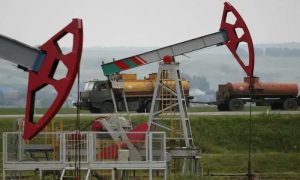
earlier, the US Energy Secretary Chris Wright said that Washington could lend additional crude oil from its Strategic Petroleum Reserve as higher prices and tight near-term supplies increase demand for prompt barrels.
The recent rise in crude prices has made another round of loans a “very real possibility” under the continuing 172-million-barrel drawdown authorised by President Donald Trump in March, Wright tells reporters.
ALSO READ: China Turns Oil Vulnerability Into New Source Of Geopolitical Power
“The market right now is saying, ‘Hey, maybe we need that oil.’ So quite possibly we will respond to that,” he added.
“We had stopped selling because the prices were flat,” Wright says. “The market today is pulling for it. If that remains, then it’s very possible we will finish the allocation of oil we originally agreed to trade.”