BEIJING: The war in the Middle East has exposed a major shift in the global energy landscape, with China turning a longstanding vulnerability to oil supply disruptions into a potential source of geopolitical leverage.
China has spent years building large oil stockpiles, expanding its refining industry and developing alternatives including coal, high-speed rail and electric vehicles.
Those investments have given Beijing greater flexibility as the conflict disrupts oil supplies from the Middle East.
China cut its oil purchases by about 23 per cent in the first six months of the war compared with the same period a year earlier, according to customs data cited by The New York Times.
The reduction has helped ease pressure on the global oil market at a time when supplies through the Middle East have been severely disrupted.
Strategic Reserves
China’s ability to reduce imports without immediately facing a major energy shortage is linked to its substantial crude reserves.
The country began building government oil reserves relatively late, after becoming a net oil importer in 1993, but Beijing has since accumulated stocks on a massive scale.
Estimates cited by The New York Times suggest China’s stockpiles now account for roughly a third of known global oil inventories.
The reserves have allowed China to maintain refinery operations while purchasing considerably less crude from overseas.
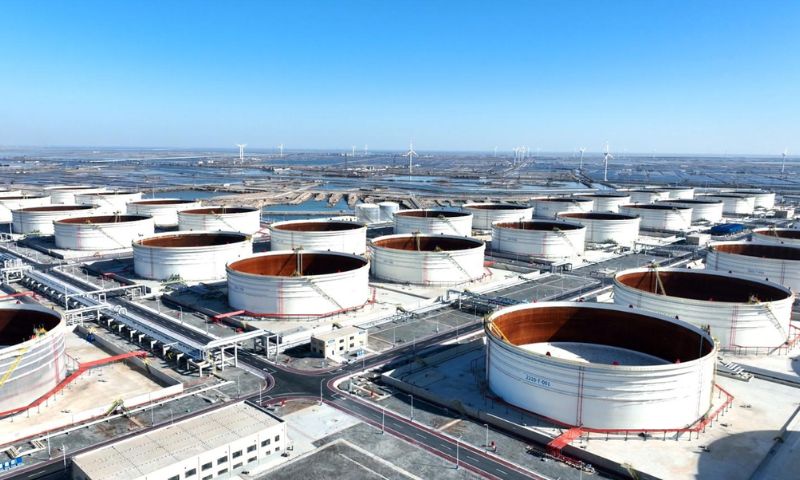
However, the strategy is beginning to face pressure. Chinese refineries processed more crude in August than was available from imports and domestic production, forcing the country to draw roughly 640,000 barrels per day from inventories, according to calculations based on official data.
Fuel Export Power
China’s influence extends beyond crude oil.
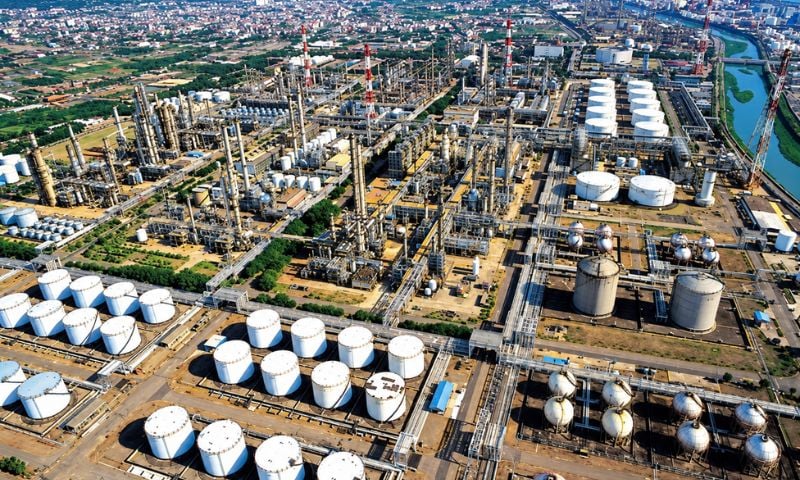
The country is one of the world’s largest refining powers and can convert imported crude into gasoline, diesel and jet fuel. During the early stages of the Iran war, Beijing sharply restricted exports of refined fuels, reducing supplies available to neighbouring Asian markets.
The restrictions were later eased, with refined-fuel exports recovering. But falling domestic fuel inventories have raised the possibility that Beijing could again limit exports if supplies tighten further.
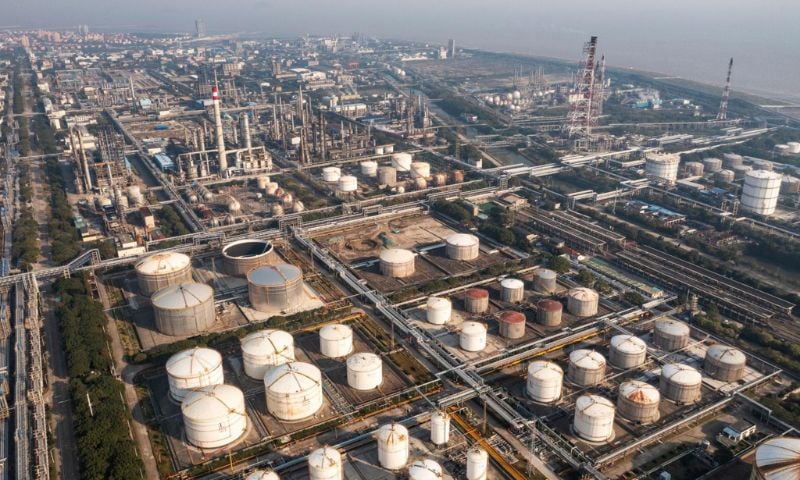
China’s gasoline and diesel inventories have recently declined significantly, with petrol stocks at state-owned suppliers falling to their lowest level since 2022 and diesel inventories reaching a 15-month low, according to market data cited by The Business Times.
Energy Leverage
China’s influence differs from that of traditional oil powers.
Oil-producing countries have historically influenced prices by adjusting how much crude they put on the market. China, by contrast, can affect prices through the demand side because of the sheer scale of its oil purchases.
Analysts cited by The New York Times estimate that crude prices were around $10 a barrel lower in late August than they might have been had China continued buying oil at pre-war levels.
This gives Beijing an increasingly important role in determining global oil-market conditions.
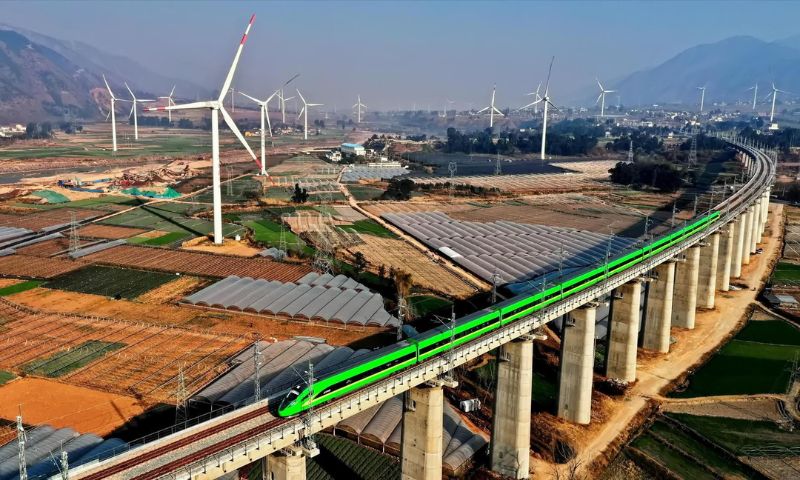
China’s reduced oil consumption is also being supported by structural changes in its economy. Electric vehicles now account for a significant share of passenger vehicles in the country, while extensive high-speed rail networks and the use of coal in some industrial processes have reduced demand for petroleum products.
Global Implications
The shift could have consequences far beyond the energy market.
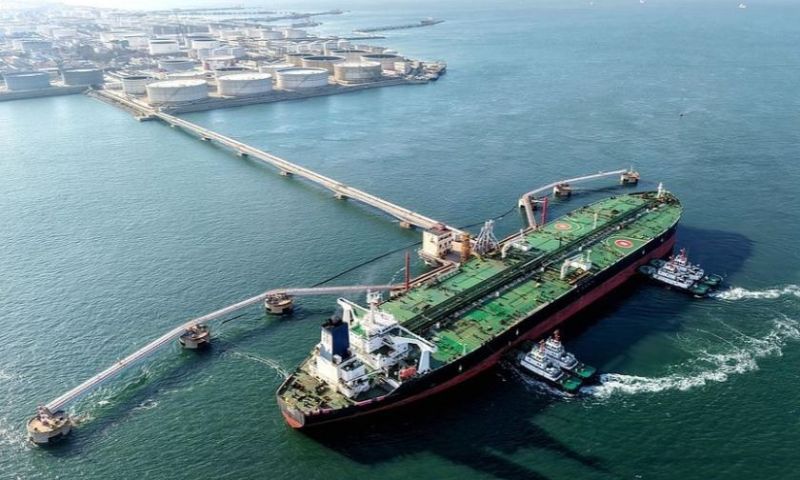
For decades, China’s dependence on imported oil was viewed as a strategic vulnerability, particularly because much of its Middle Eastern crude traditionally travelled through vulnerable maritime routes.
Beijing’s ability to rely on reserves, alternative energy sources and its huge refining industry has reduced some of that vulnerability.
At the same time, China remains heavily dependent on foreign crude and cannot completely insulate itself from prolonged disruptions.
Recent data shows that China is already drawing down its reserves as refinery activity increases. Its onshore crude inventories were estimated at 1.23 billion barrels on September 9, but stocks have declined since the end of August.
China has spent years reducing its vulnerability to oil supply disruptions by building what is believed to be the world’s largest crude oil stockpile, expanding domestic refining capacity and investing in alternative energy sources.
Its strategic reserves, estimated at around 1.3 to 1.4 billion barrels, have given Beijing a buffer during periods of global supply disruption.
China’s position as a major global refining power has also given it influence over regional fuel supplies. Beijing has restricted exports of refined products such as gasoline, diesel and jet fuel during periods of tight supply, prioritising domestic demand and affecting availability in neighbouring Asian markets.
At the same time, China has reduced its dependence on petroleum through rapid growth in electric vehicles, solar and wind power, while maintaining domestic coal and natural gas production. Expanded oil and gas pipeline links with Russia and Central Asia have further reduced reliance on vulnerable maritime supply routes.
Together, these measures have transformed China’s traditional dependence on imported oil from a strategic vulnerability into a source of greater resilience and potential influence over global energy markets.