LONDON: Pakistan is pursuing a structural reform agenda aimed at enabling the private sector and supporting sustained economic growth, Finance Minister Muhammad Aurangzeb said on Wednesday, as the government seeks to consolidate macro-economic stability.
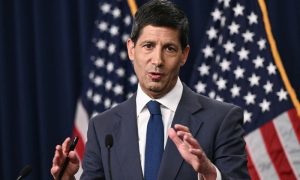
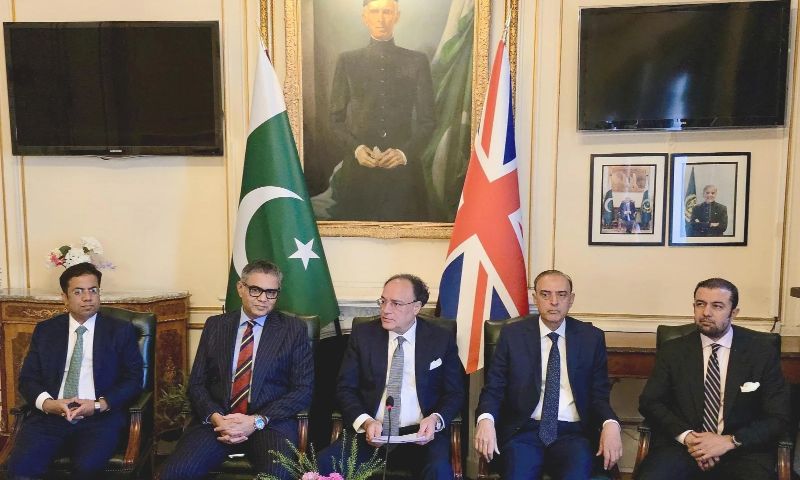
Addressing the Pakistan Investment Roundtable hosted by the Pakistan High Commission in London, Finance Minister Aurangzeb said the government was committed to macro-economic stabilisation and was vigorously pursuing reforms to strengthen the economy.
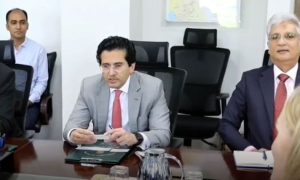
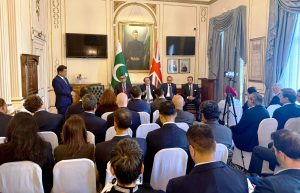
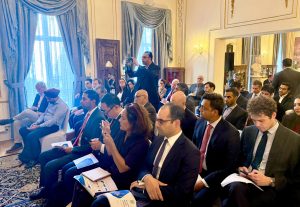
Leading investors and global financial management firms in London participated in the Pakistan Investment Roundtable. Governor State Bank of Pakistan Jamil Ahmed, Advisor to Finance Minister Khurram Schehzad, and High Commissioner of Pakistan to UK Tipu Usman were also present.
Pakistan Investment Roundtable at London
Minister for Finance & Revenue addresses Pakistan Investment Roundtable
Pakistan High Commission, London hosted “Pakistan Investment Roundtable” with participation from leading investors and global financial management firms in #London.… pic.twitter.com/3tIdMgECg5
— Pakistan High Commission London (@PakistaninUK) September 16, 2026
In his keynote address, Finance Minister Aurangzeb said that Pakistan’s government was committed to macro-economic stabilisation and was vigorously pursuing sustained growth. He underscored that the structural reforms agenda is being implemented, which also aims at enabling the private sector.
The Finance Minister said that the fiscal consolidation was delivering results in the form of primary surplus, deficit compression, revenue mobilisation and impetus in institutional and fiscal reforms.
Aurangzeb apprised that the government has undertaken State-owned Enterprises reforms in addition to privatisation. He added that energy sector reforms, financial transparency and ease of doing business will further reinforce the government’s vision of macro-economic stability.
The Finance Minister said that expanding the tax base and enforcement was necessary for economic growth. He informed that discretionary powers of tax authorities are eliminated and there is no preferential treatment for taxation. However, there have been no additional taxes levied on the salaried class.
Aurangzeb said that Pakistan’s economy had a setback due to major country-wide flooding last year and the recent war in the Middle East that has adversely affected oil prices across the globe.
The Finance Minister said that Pakistan is open for business with renewed interest from international investors. Pakistan has successfully completed all IMF reviews on schedule that have been validated by three rating upgrades.
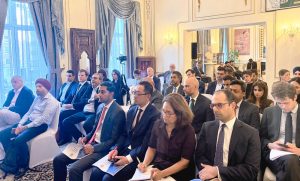
During the interactive session, the Minister of Finance engaged with the representatives of financial institutions in a question-and-answer session with discussions focusing on Pakistan’s economy, investment climate, partnership with international organisations, and potential opportunities in various sectors.