
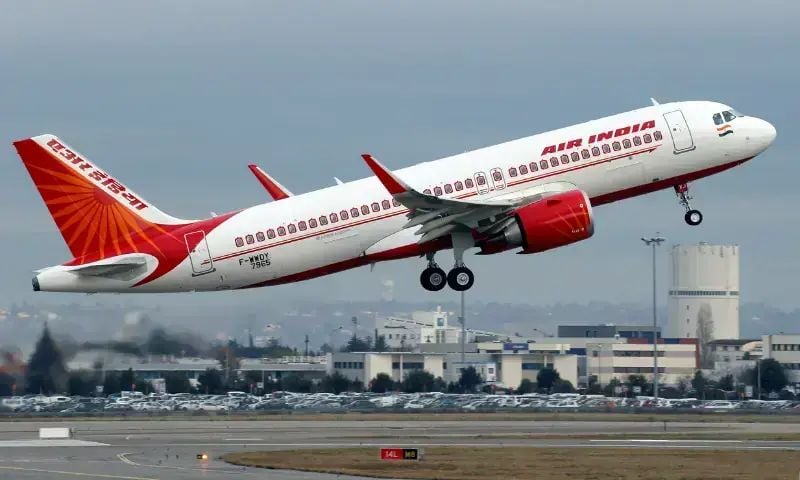
ISLAMABAD: Pakistan has extended the closure of its airspace to Indian aircraft until October 24, 2026, a restriction that has been in place since April last year amid continuing tensions between the two countries.
Pakistan Airports Authority (PAA), in a fresh Notice to Airmen (NOTAM) issued on Wednesday, said all aircraft registered in India will remain barred from using the country’s airspace.
The ban applies to flights operated by Indian airlines as well as military and civilian aircraft owned or leased by India.
Pakistan has extended its airspace ban on Indian aircraft, covering both civil and military flights, from September 16 at 10:45am until October 24 at 4:59am.#Pakistan #India #Airspace #Aviation #PakistanTV pic.twitter.com/feZ5lxnP4Y
— Pakistan TV (@PakTVGlobal) September 16, 2026
“Pakistan airspace not available for Indian registered aircraft and aircraft operated/owned or leased by Indian airlines/operators, including military flights,” the NOTAM said.
Pakistan first closed airspace to Indian flights on April 23, 2025
Pakistan first closed its airspace to Indian flights on April 23, 2025, following the Pahalgam incident in Indian Illegally Occupied Jammu and Kashmir.
After the incident, India levelled baseless allegations against Pakistan, which Islamabad rejected, and tensions between the two nuclear-armed neighbours escalated.
Although a ceasefire was later reached through US mediation last year, the airspace restrictions have remained in place.
India undertook a series of hostile actions
India also undertook a series of hostile actions the day after the incident. On April 23, 2025, it suspended the 65-year-old Indus Waters Treaty (IWT), cancelling visas for Pakistani citizens, closing the Wagah-Attari border crossing, ordering the shutdown of the Pakistan High Commission in New Delhi, and reducing diplomatic staff at each other’s embassies.
The continued closure has disrupted the operations of Indian airlines, particularly on westbound routes to Europe and North America.
Indian carriers have been forced to take longer routes that bypass Pakistani airspace, leading to increased fuel costs and longer travel times.
According to Indian media reports, the restrictions have already resulted in financial losses worth billions of rupees for both state-run and private airlines.