KHAPLU, Pakistan: Hundreds of visitors travelled to Khaplu in northern Pakistan this month for Jashne Ghanche, a week-long cultural and sporting festival that returned after an eight-year hiatus, boosting tourism and business in the remote Ghanche district of Gilgit-Baltistan.
For years, Arif Hussain watched his 15-room guest house in the main bazaar of Khaplu remain largely empty, particularly during periods when the flow of tourists to Ghanche district was limited.
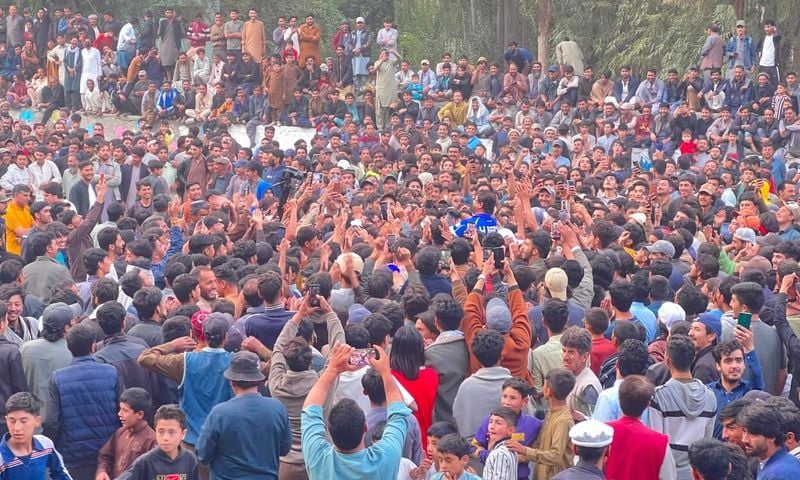
But this September, the scene was markedly different.
For an entire week, Hussain struggled to accommodate visitors as tourists, sports enthusiasts, photographers and local residents poured into the valley to attend Jashne Ghanche, a week-long cultural and sporting festival that returned to Khaplu after an eight-year hiatus.
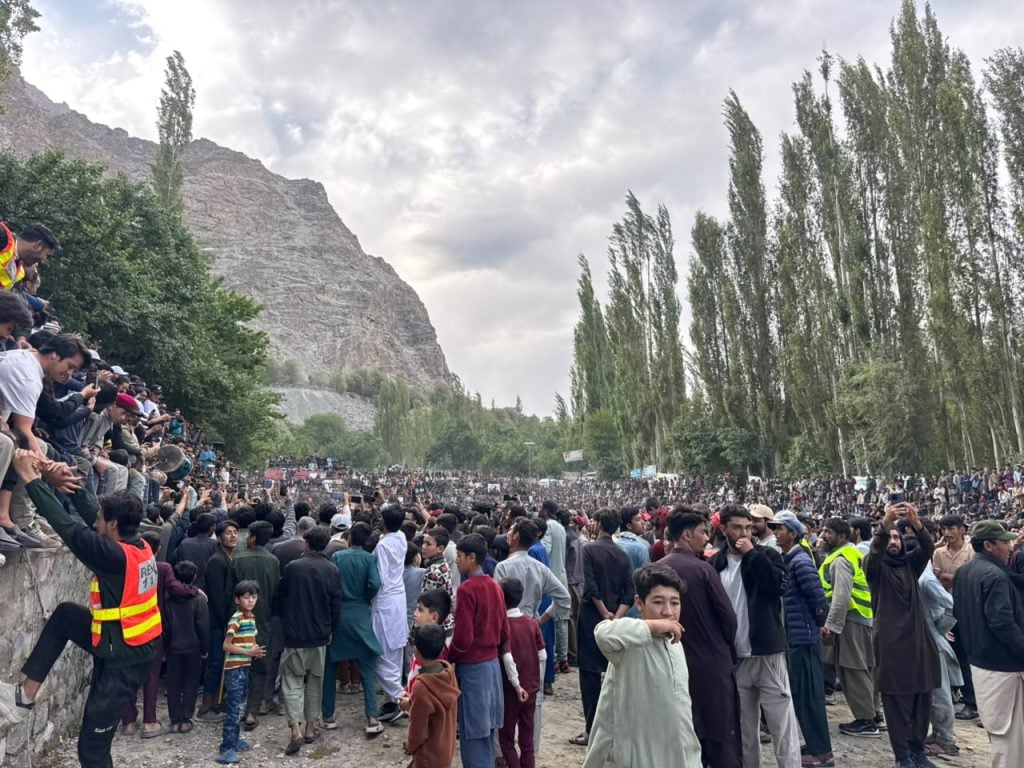
“Due to the event, all my rooms were booked throughout the week,” Hussain told WE News English, smiling as he described the sudden increase in business. “I know that, like my guest house, all the guest houses were filled with visitors,” he added.
For local businesses that depend heavily on tourism, the festival provided a welcome boost at a time when the number of visitors can fluctuate significantly.
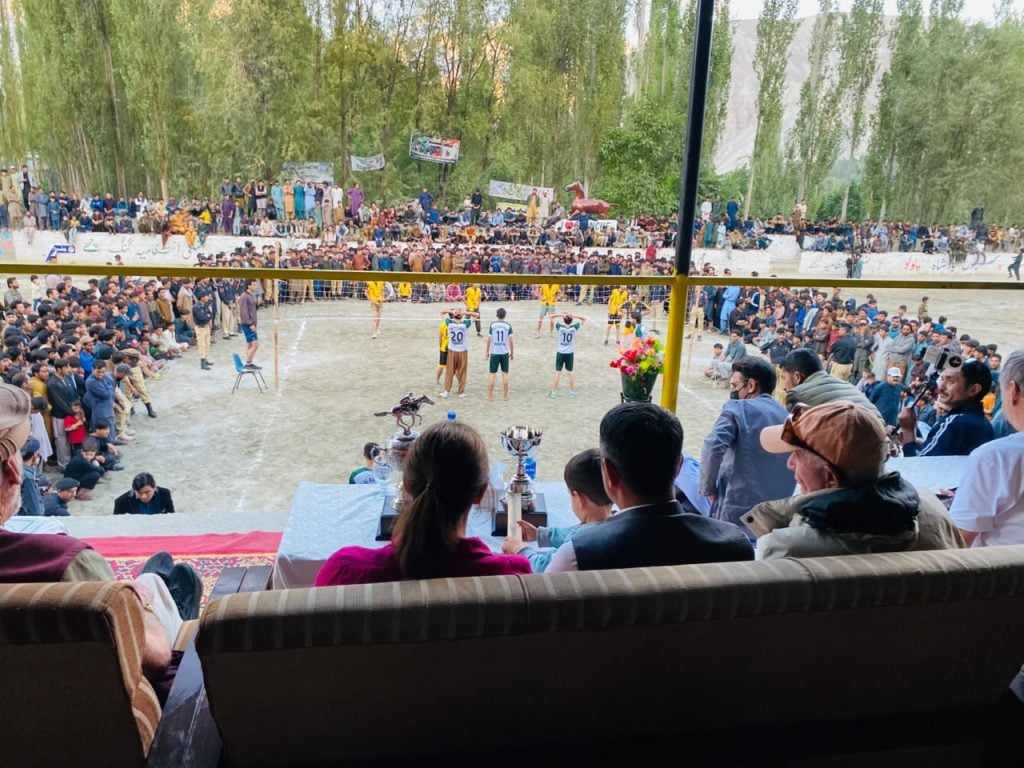
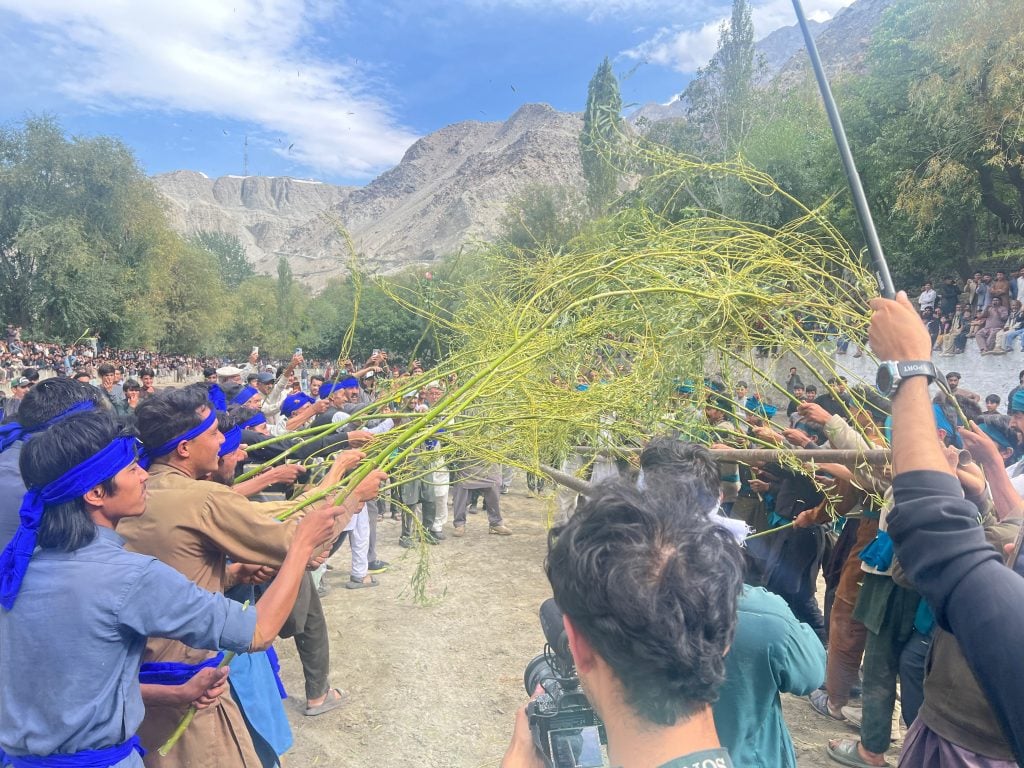
Jashne Ghanche features a combination of traditional sports and cultural activities, including freestyle polo, football, volleyball, tug of war and traditional music and dance.
The festival not only provides entertainment but also brings together communities from different parts of the district while giving visitors an opportunity to experience the region’s distinctive cultural heritage.
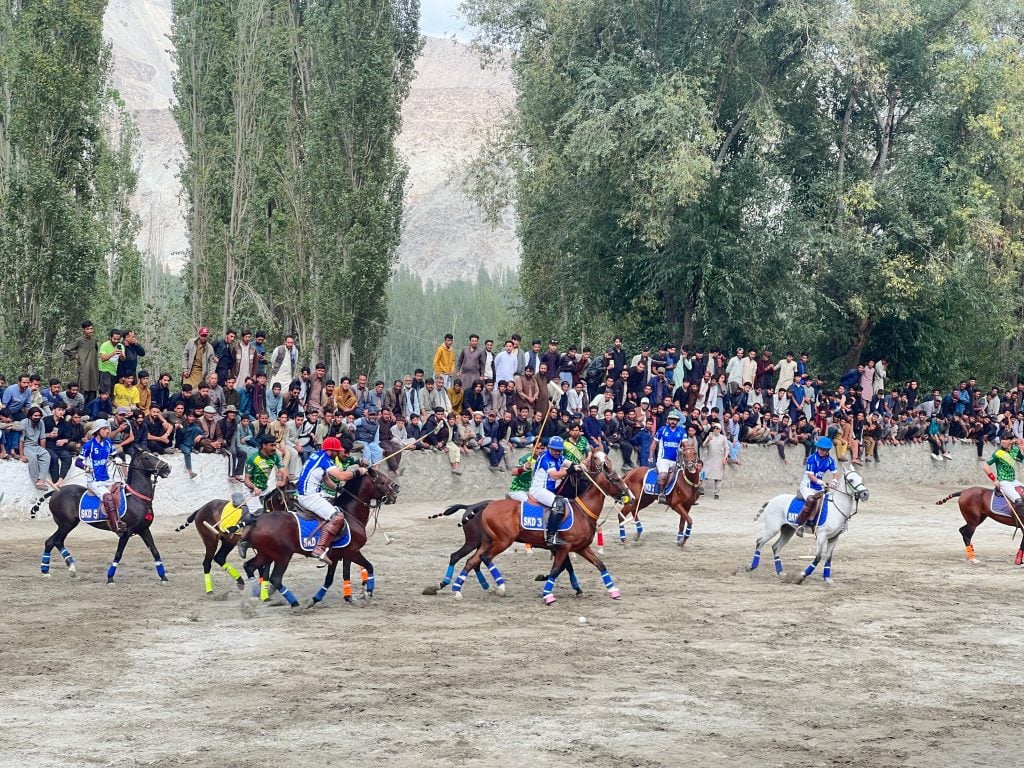
Among the various activities, freestyle polo remained the biggest attraction for spectators.
Hundreds of visitors gathered at the polo ground to witness players compete at high speed, demonstrating their riding skills and striking the ball while mounted on horses.
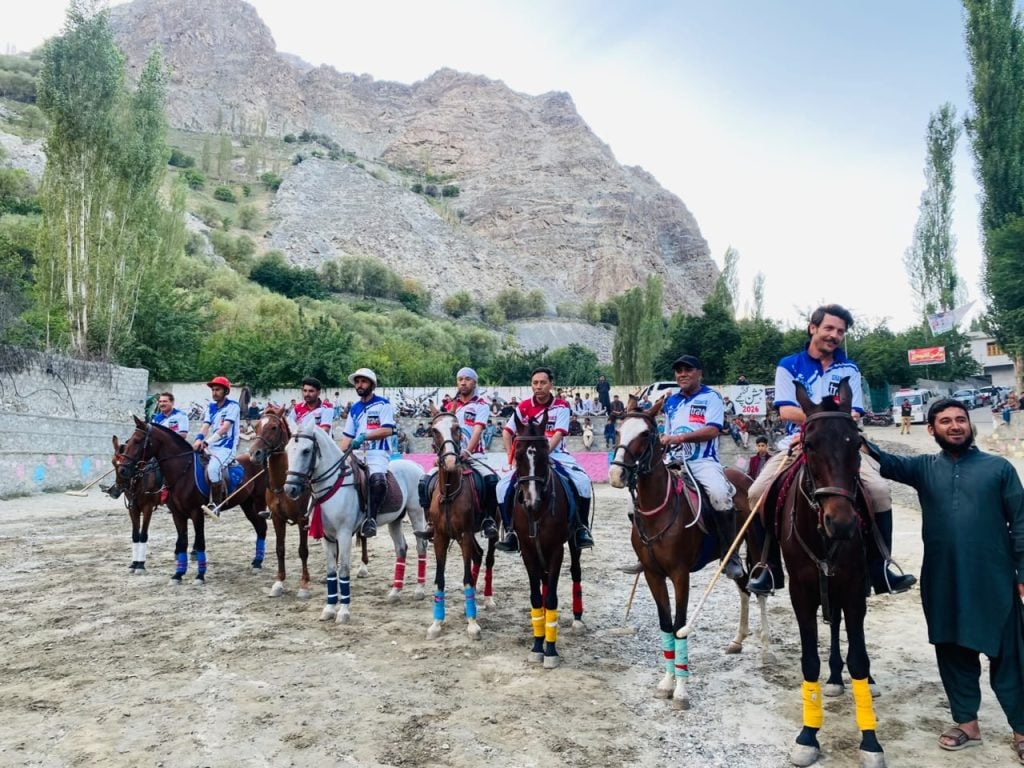
For some visitors, the festival was also an opportunity to document the region through photography.
“I have been visiting Gilgit-Baltistan for many years. This time, I got the opportunity to witness the festival,” Adil Amir told WE News English, while carrying a large camera on his shoulder.
“I am a photographer, and I captured freestyle polo from different angles. I believe this will be one of the best albums of my life,” he added.
The photographer said he had witnessed several activities during his visit, but polo particularly caught his attention.
“I witnessed different kinds of activities, and for me, the most interesting part of the event was polo,” he said.
For local players, meanwhile, the festival offered an opportunity to compete on their home ground and be part of an event that had been absent from the valley for years.
“I have been playing polo for the last five years. For the first time, I got the opportunity to play polo in Jashne Ghanche,” said Wazir Asif Majani, a member of the runner-up team in the final match, speaking to WE News English from the playground.
“Though I have played in many events, I really enjoyed playing during Jashne Ghanche,” he added. “I would love to play in Khaplu again in the future.”
Majani said the festival offered much more than sport.
“In addition to polo, the other activities, including the music, were amazing,” he said.
The return of Jashne Ghanche marked an important moment for the district after the festival remained suspended for eight years, including a prolonged disruption caused by the COVID-19 pandemic.
According to district officials, the event was held with the support of private-sector organisations, local businessmen and philanthropists rather than relying on government funding.
“After an eight-year break, partly due to the outbreak of COVID-19, this event was organised by the district administration,” Dilawar Hussain, sports officer for Ghanche district, told WE News English.
The festival commenced on September 6, which coincided with Pakistan’s Defence Day, and concluded on September 12.
“Not a single penny of government funds was utilised for this event. However, the banking sector and businessmen joined hands with us for fundraising,” he added.
The official said the involvement of local stakeholders demonstrated the community’s interest in reviving cultural and sporting activities in the district.
Deputy Commissioner Ghanche Waliullah Falahi said the festival included freestyle polo, volleyball, tug of war, Charga Thab and Mindoq Hltanmo, a traditional local musical dance.
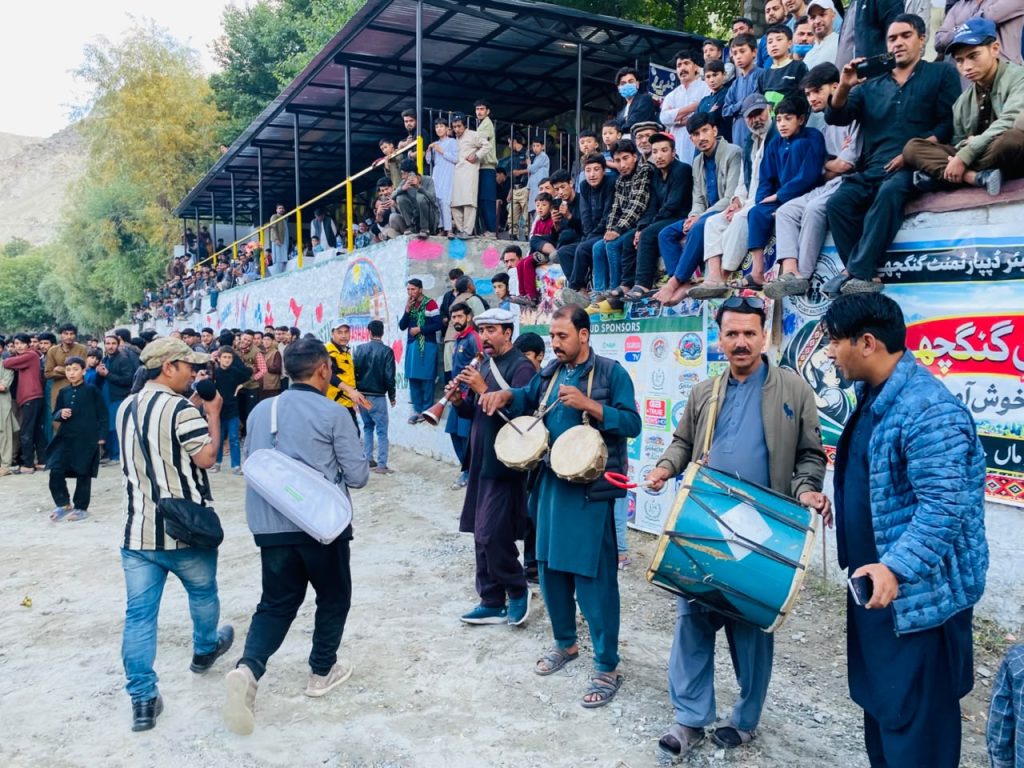
“The most important part of the event was polo. Hundreds of visitors attended the event as spectators, while local musical bands also entertained the visitors with melodies,” Falahi told WE News English.
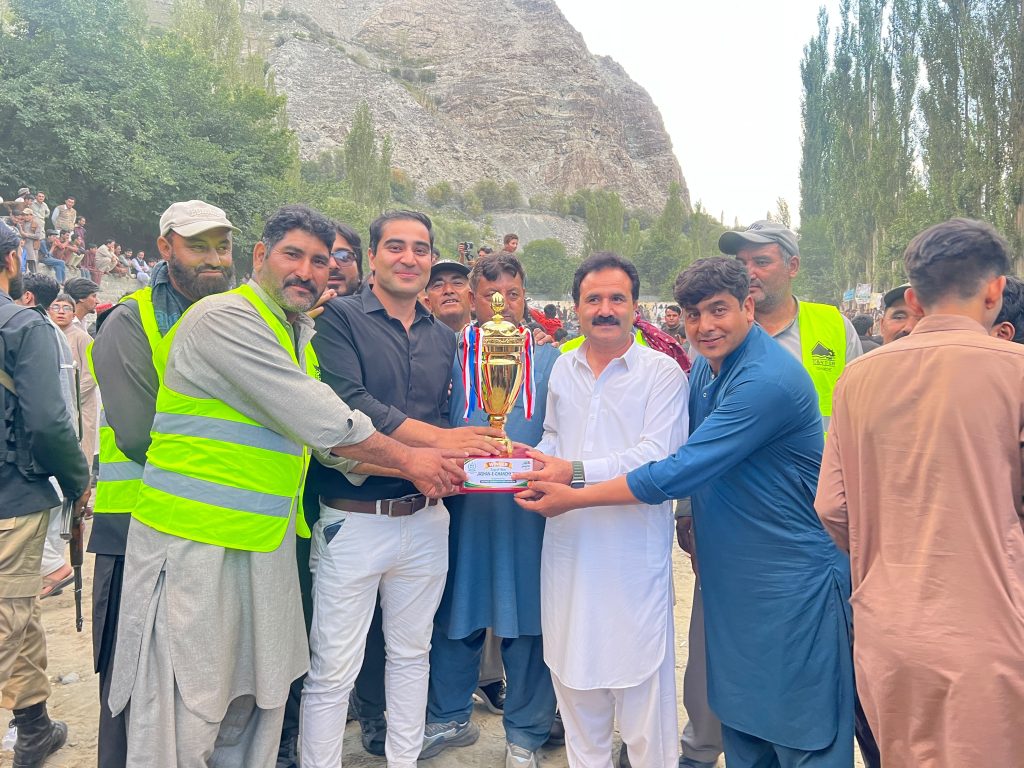
For the administration, however, the significance of the festival went beyond entertainment.
“Jashne Ghanche serves as a major platform to promote the district as a premier tourism and cultural destination of Gilgit-Baltistan,” Falahi said.
He added that such events could help preserve local heritage by connecting younger generations with traditional sports, music and cultural practices.
“It helps preserve local heritage and provides a platform for the younger generation to learn and appreciate their traditions,” he said.
The revival of the festival therefore represents an attempt to combine tourism promotion with cultural preservation. For a region such as Ghanche, where the landscape itself is a major attraction, cultural festivals can offer visitors another reason to extend their stay and explore the local communities.
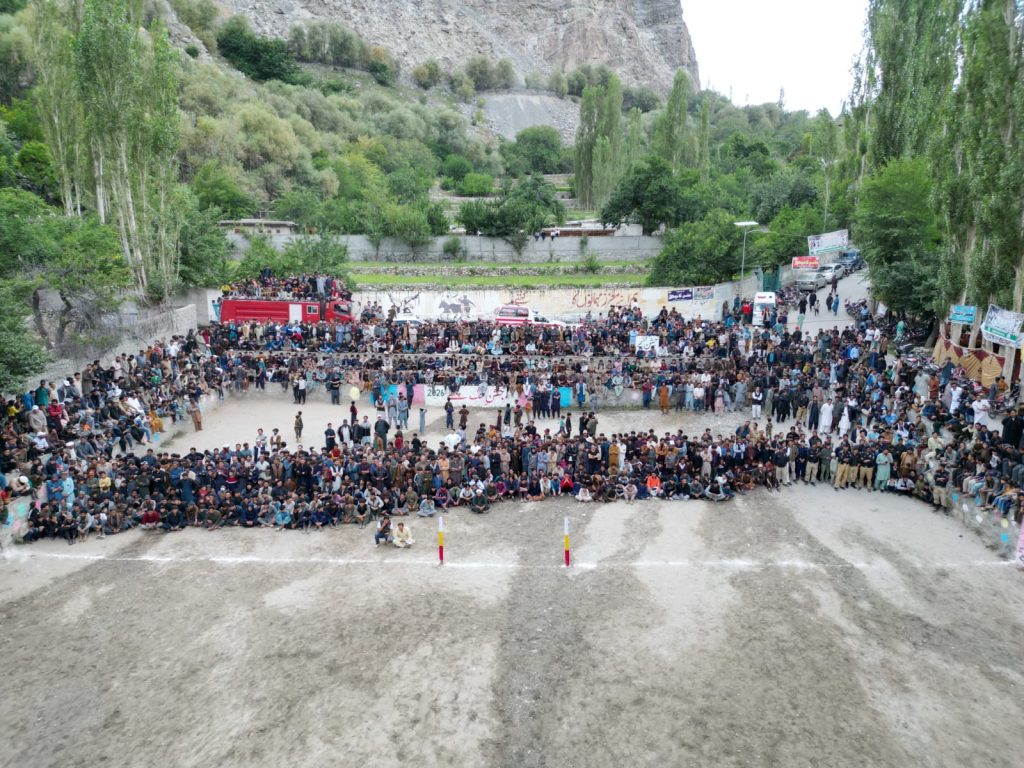
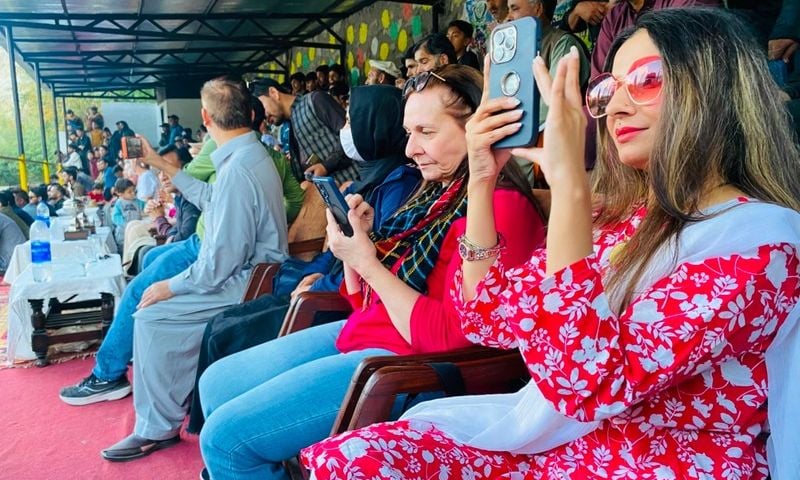
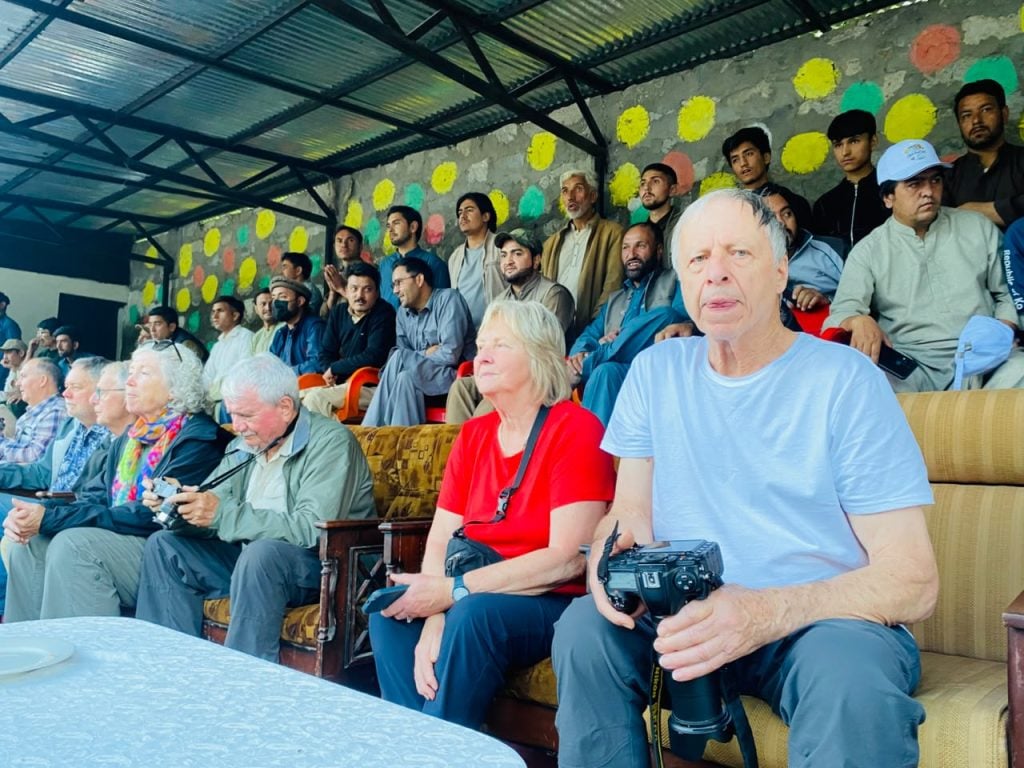
The festival also attracted foreign tourists who happened to be travelling through northern Pakistan.
Catharine, a 79-year-old foreign tourist who identified herself by her first name, said she had not known about Jashne Ghanche before arriving in Pakistan.
“I didn’t know about the festival before coming to Pakistan. When I reached Pakistan’s north and came to know about the event, I changed our travel itinerary and got the opportunity to watch the polo,” she told WE News English.
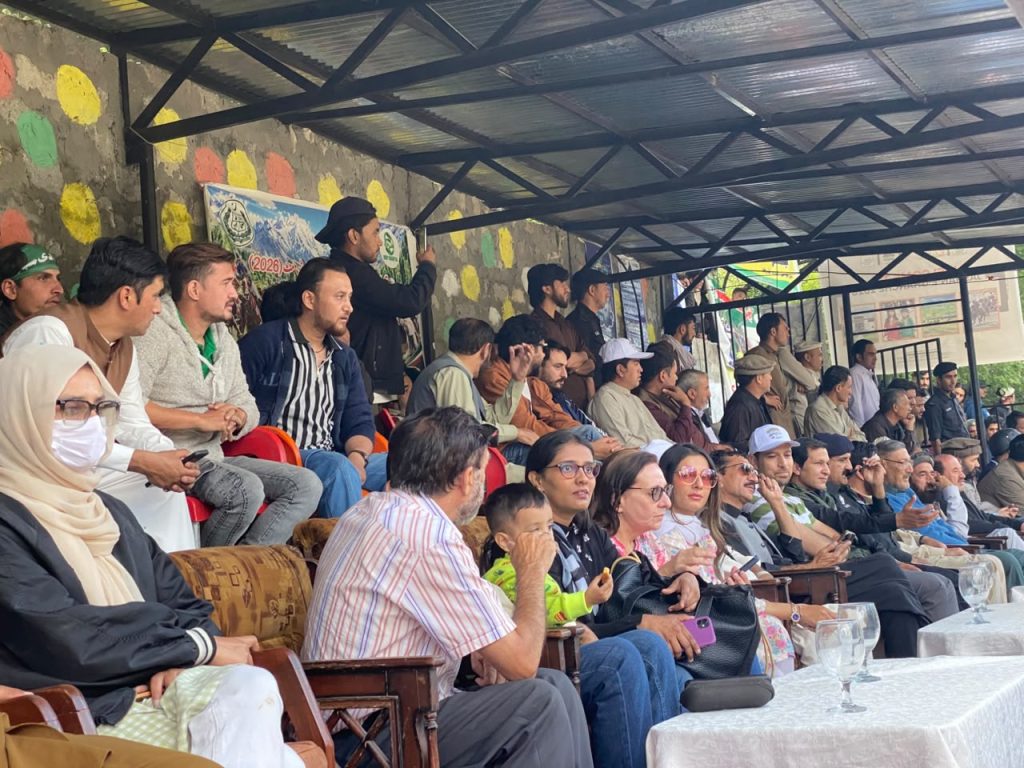
For her, the unexpected change of plans turned into one of the highlights of her journey.
“All the performances and polo were amazing. It was the best moment of my travelling to Pakistan,” she said.
At 79, Catharine said the experience had left such a strong impression that she would consider returning.
“I am 79 years old, and if I get a chance, I will come again to Pakistan to attend such kinds of festivals,” she added.
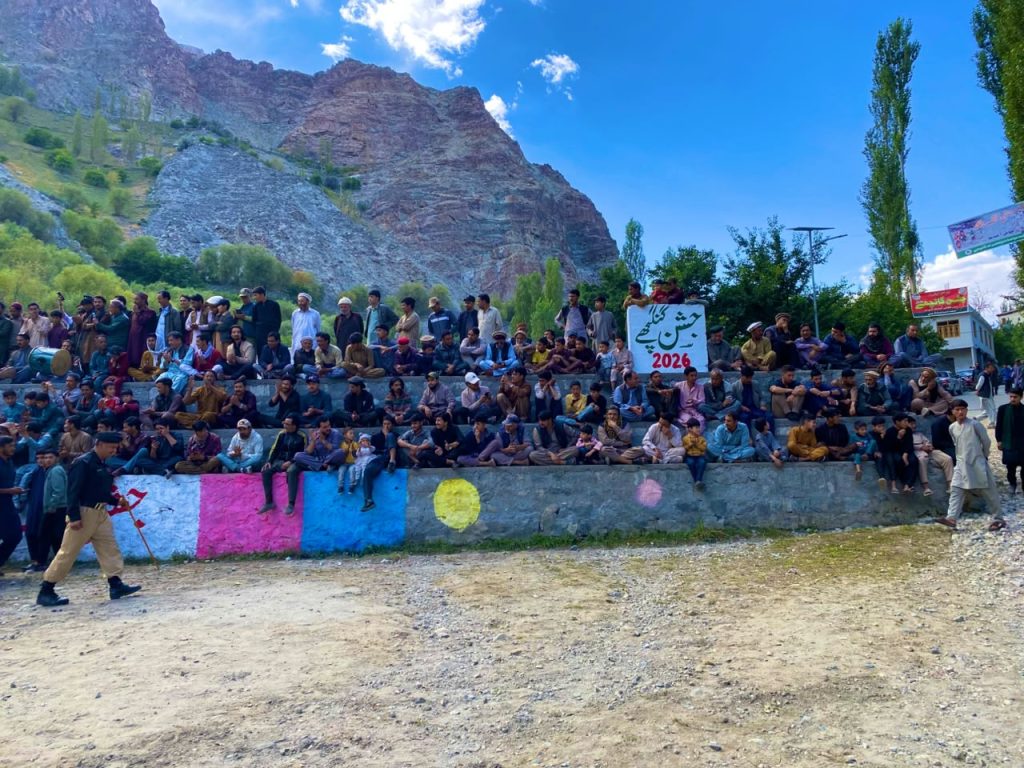
The festival’s impact was visible beyond the sports ground. Hotels and guest houses experienced increased occupancy, while restaurants, transport providers, shopkeepers and other small businesses benefited from the influx of visitors.
For people like Hussain, the owner of the guest house in Khaplu’s main bazaar, the event demonstrated how cultural activities can translate into tangible economic opportunities.
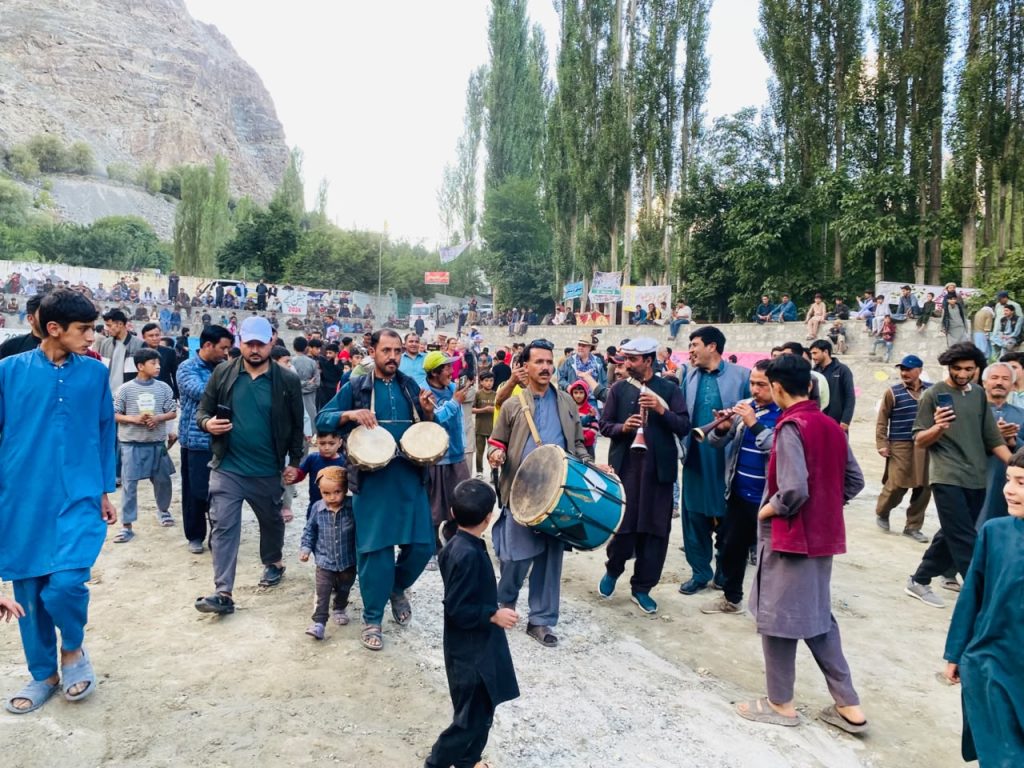
The week-long festival brought life to the streets of Khaplu, filling accommodation facilities and creating a vibrant atmosphere in the town. Visitors arrived not only to watch competitions but also to experience the culture, music and hospitality of the area.
The revival of Jashne Ghanche has consequently raised hopes among residents that similar events can be held regularly in the future.
After eight years of absence, the festival once again placed Ghanche’s sporting traditions and cultural identity in the spotlight. Its return also showed that tourism in the region is not solely about mountains, lakes and scenic landscapes; the traditions and communities of Gilgit-Baltistan themselves can be a powerful attraction.