MUZAFFARABAD: The banned Joint Action Committee (JAAC) in Azad Jammu and Kashmir (AJK) is disrupting educational activities in parts of Poonch district by forcing schools to remain closed, threatening heads of educational institutions and preventing teachers and other government employees from reaching their workplaces, according to the district administration.
In a press release issued on Saturday, the Poonch district administration said educational institutions were being forced to close as the JAAC continued sit-ins, road blockades and protests in several parts of the district.
The administration said educational activities were continuing in Hajira and Abbaspur, while teaching had been disrupted in Rawalakot and Thorar because road blockades and protests were preventing teachers and students from reaching educational institutions.
It said 41 educational institutions in the Rawalakot city area remained closed because of security concerns, while no notification had been issued by the Azad Jammu and Kashmir government, Education Department or district administration directing educational institutions elsewhere in the district to remain closed.
According to the administration, heads of government and private educational institutions willing to reopen their schools were being pressured and threatened by JAAC miscreants, while government employees were being stopped from attending their workplaces.
The administration specifically called for educational institutions in areas outside the city limits to reopen, stressing that no written or verbal government order had been issued for their closure.
It said educational institutions in areas including Devik, Chak, Chhota Gala, Akhorgal, Hussain Kot, Majhan, Pachhiot, Bahl, Sengola, Paniola and Bangoin had not been ordered closed by the government or Education Department.
The administration also reported incidents of road blockades and obstruction of vehicles carrying women in Tehsil Hajira. It said government employees were being stopped at checkpoints and subjected to misconduct and abusive behaviour.
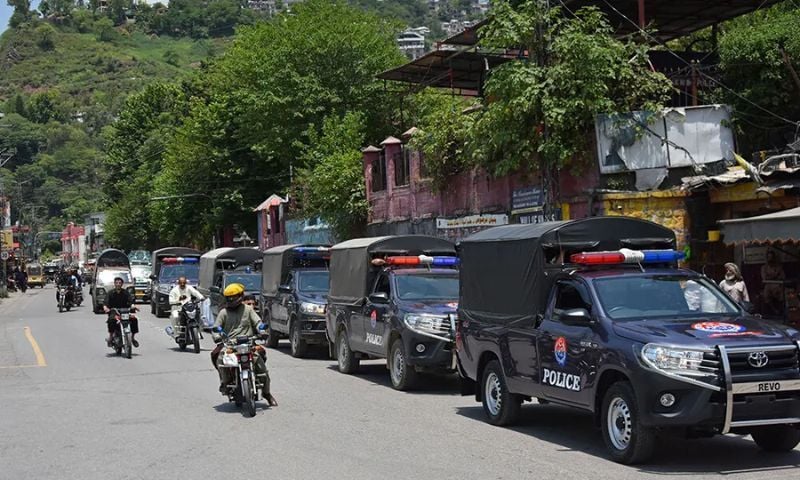
The district administration further said armed individuals associated with the banned organisation had taken positions at various points in and around Rawalakot, creating serious security concerns for residents, teachers and students.
It said security arrangements were being prepared to protect students and teachers and ensure that educational institutions could operate without putting their lives at risk.
The administration strongly rejected the idea that tuition centres could replace regular schools and colleges. It said formal educational institutions provided structured education that could not be substituted by private tuition centres.
Referring to the educational impact of the continuing disruption, officials said Poonch had once ranked among the better-performing districts in education in Pakistan but had suffered setbacks over the past three to four years because of strikes, road blockades and an environment of fear and uncertainty.
The administration said prolonged disruption was particularly damaging for students preparing for examinations, warning that the loss of regular classroom education could affect their academic performance and future prospects.
It also criticised the JAAC for blaming the government for school closures while, according to the administration, its miscreants were themselves preventing educational institutions from reopening.
The administration challenged the organisers to publicly declare that JAAC miscreants would neither obstruct educational institutions nor prevent teachers and students from attending schools and colleges.
It stressed that both government and private educational institutions should remain free from intimidation and that students should not be made to suffer because of foreign-sponsored and political protests, sit-ins or road blockades.
The district administration maintained that the government had invested billions of rupees in educational infrastructure and continued to spend substantial amounts on teachers’ salaries, making it contrary to government policy to deliberately shut down its own educational institutions.
It urged all stakeholders to keep roads and educational institutions accessible, allow teachers and other government employees to reach their workplaces, and ensure that children’s education was not disrupted by the ongoing agitation.
The administration said schools could continue operating in areas where there were no genuine security restrictions and reiterated that closures outside such areas were not the result of any government or Education Department directive.