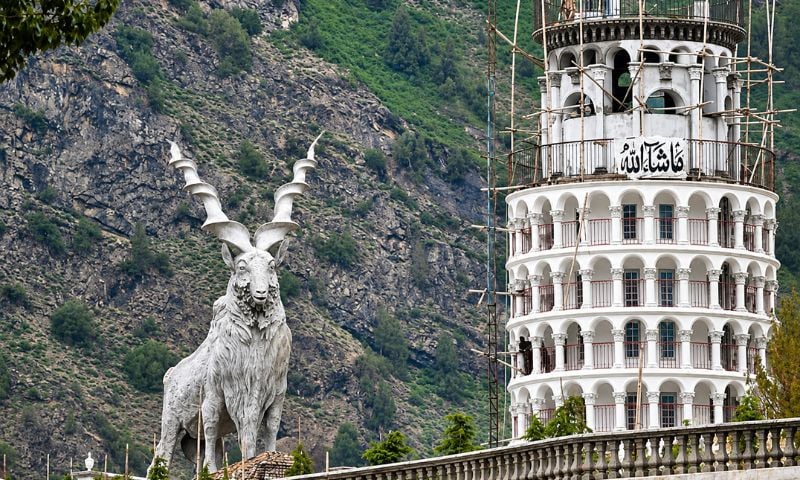
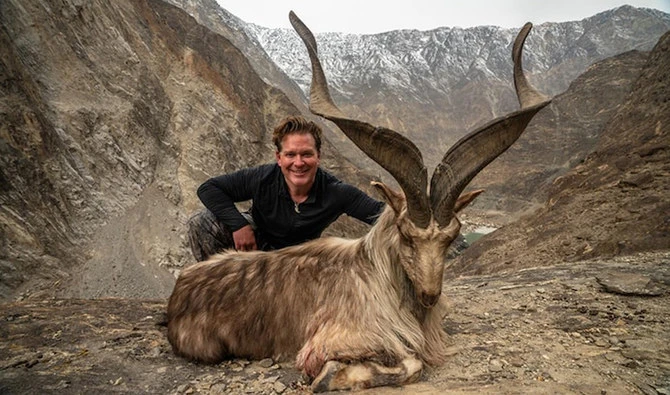
GILGIT: A trophy-hunting permit for Pakistan’s prized Astore markhor has fetched $356,000 (Rs98.72 million) at an auction in Gilgit-Baltistan, highlighting strong international demand for limited hunting opportunities while generating substantial revenue for wildlife conservation and local communities.
The Gilgit-Baltistan Wildlife and Parks Department auctioned permits for 117 animals for the 2026-27 trophy-hunting season on Thursday. Two other Astore markhor permits fetched $301,000 and $294,000, while another permit had been carried over from the previous season.
The auction at the Forest, Parks and Wildlife Complex in Gilgit attracted a large number of outfitters and hunters. Authorities expect the programme to generate around Rs650 million during the season, which runs from October 15, 2026, to April 10, 2027.
During Thursday’s auction, permits were offered for three Astore markhors, 14 blue sheep and 100 Himalayan ibexes. Chief Conservator of Parks and Wildlife Zakir Hussain said the highest exportable permit for a blue sheep fetched $31,200, while the lowest successful bid was $25,100.
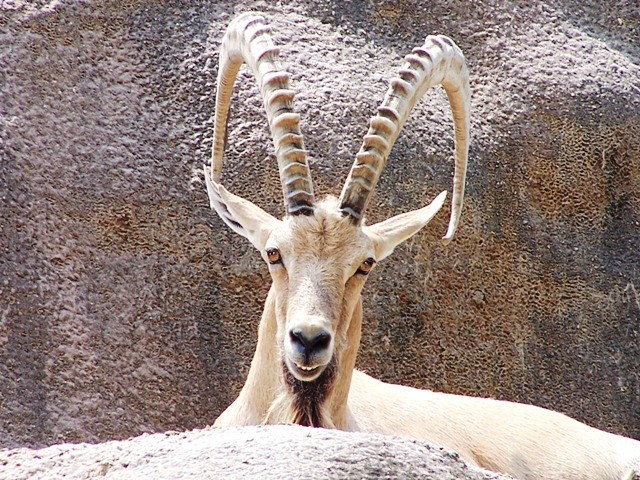
Himalayan ibexes
For Himalayan ibexes, the highest exportable permit in the prime category was sold for $13,200, while the lowest bid stood at $11,500. The auction forms part of GB’s regulated trophy hunting programme, under which permits for selected wildlife species are issued to hunters. Revenue generated from the programme is intended to support wildlife conservation and benefit local communities.
READ ALSO: Pakistan Highlights Markhor Conservation Success, Calls for Global Mountain Biodiversity Action
The strong bids for Astore markhor permits highlight the high international demand for trophy hunting opportunities involving the species, which is native to the mountainous regions of northern Pakistan.
Revenue for Conservation
The Astore markhor, a wild mountain goat native to northern Pakistan, is a highly prized species among international trophy hunters because of its distinctive spiral horns.
Pakistan’s regulated trophy-hunting programme allows a limited number of permits to be auctioned each year, with a substantial share of the revenue channelled towards wildlife conservation and local communities.
The high prices paid for permits are therefore presented by wildlife authorities as an incentive for protecting the species and preserving its natural habitat.