GENEVA: The United Nations has warned that a potentially “supersized” El Niño could become the strongest in more than 70 years, threatening to intensify droughts, floods, wildfires and tropical storms across several parts of the world through early 2027.
UN Secretary-General António Guterres said the world had entered a “danger zone of extreme weather” as the natural Pacific weather phenomenon strengthens on top of long-term global warming caused by human activity.
The World Meteorological Organisation (WMO) said sea surface temperatures in the central and eastern tropical Pacific had risen sharply in recent months, with temperatures in the key monitoring region more than 2C above average in recent weeks.
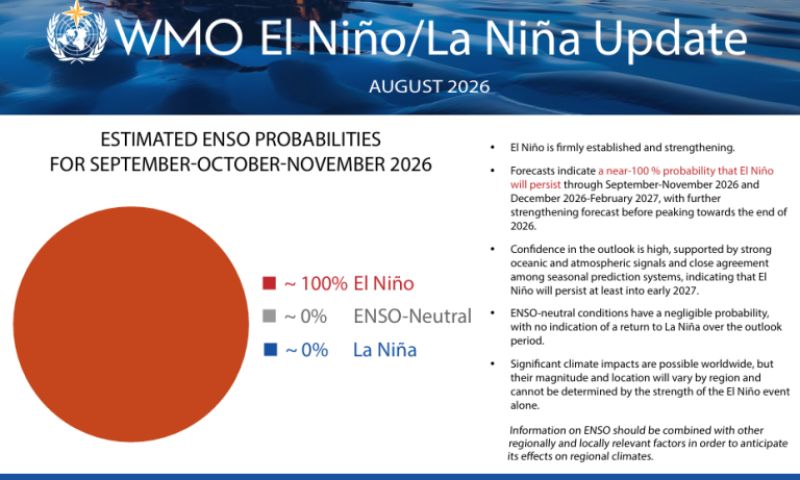
Forecasts suggest temperatures could approach 4C above average by November and December, potentially making this the strongest El Niño since at least 1950.
“El Niño is being supersized before our eyes,” Guterres said. “The science leaves no room for doubt: the planet is in uncharted waters, and those waters are heating up.”
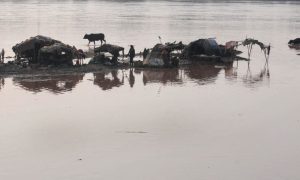
#NEPAL FLOODS: 350 Rescued From Upper Trishuli Hydropower Tunnel
The Nepali Army has rescued 350 people who were trapped inside the Upper Trishuli Hydropower tunnel in Rasuwa following devastating flooding in the Bhote Koshi River.
The rescue operation was carried out under… https://t.co/n8vE36FY6n pic.twitter.com/1kf0oJPIdX
— Shahzad Khan (@i_shahzadkhan) September 3, 2026
The WMO has launched what it described as a major mobilisation to distribute forecasts and early warnings to communities at risk from extreme weather.
“El Niño has the potential to deliver a massive blow to communities and economies across the world,” WMO Secretary-General Celeste Saulo warned.
Drought And Wildfire Risks Rise
El Niño alters global weather patterns by shifting winds and allowing unusually warm Pacific waters to spread eastwards, releasing additional heat into the atmosphere.
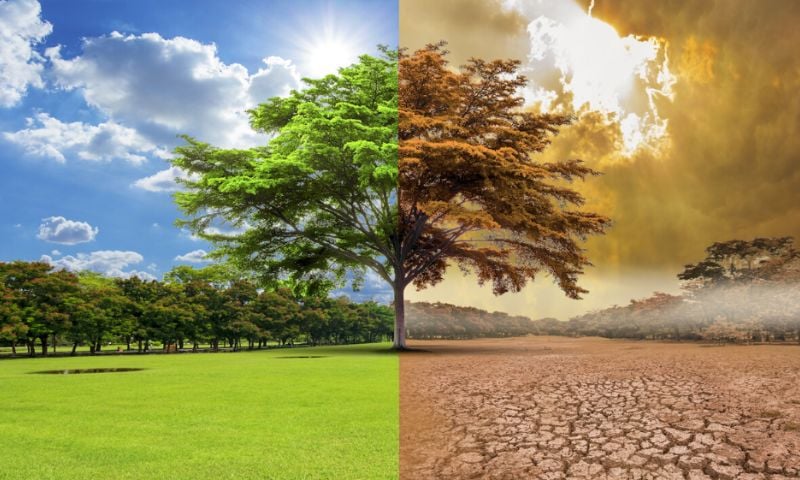
The WMO expects significant changes in rainfall patterns over the coming months, with drier-than-normal conditions forecast across large parts of South-East Asia, Central America and northern South America.
The resulting drought could increase the risk of wildfires and disrupt agriculture, water supplies and trade.
Indonesia is already battling fires that have burned more than 107,000 hectares this dry season. Authorities have deployed cloud-seeding aircraft and pledged additional resources to contain the fires.
The Panama Canal is also preparing for reduced rainfall. The number of vessels passing through the canal is expected to be cut by more than 10% as authorities anticipate lower water levels.
The canal handles about 14,000 vessels a year and is a vital route for global trade.
Stronger Storms And Flooding
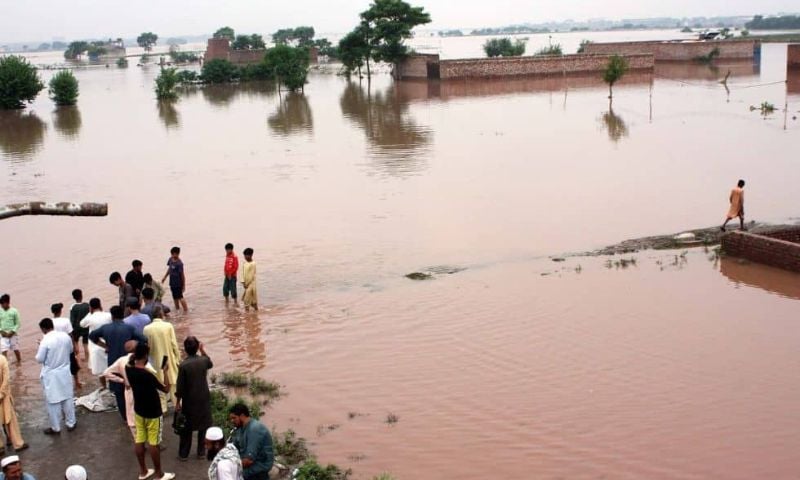
Other regions could face heavier rainfall and more intense storms.
China is expecting an unusually active typhoon season, while parts of eastern Africa, southern Brazil and the southern United States face increased risks of above-average rainfall and flooding.
Peru and Ecuador are particularly exposed because of their location along the eastern Pacific. Previous strong El Niño events have brought intense rainfall, flash floods and landslides, particularly in densely populated urban areas.
“We are significantly concerned, but that concern needs to translate into preparedness rather than alarm,” said Miguel Aréstegui, climate resilience lead at Practical Action.
He said stronger early-warning systems, including information on river levels, flood risks and weather forecasts, could help communities prepare before extreme conditions strike.
The United States has also announced the deployment of the USNS Comfort to Peru to provide medical assistance and technical equipment as El Niño intensifies.
Climate Change Adds To The Threat
Scientists say El Niño is a natural phenomenon, but its effects are unfolding against a backdrop of record global warming.
Higher baseline temperatures can amplify the consequences of extreme heat, drought and marine heatwaves. Scientists are still studying whether climate change is itself making El Niño events stronger.
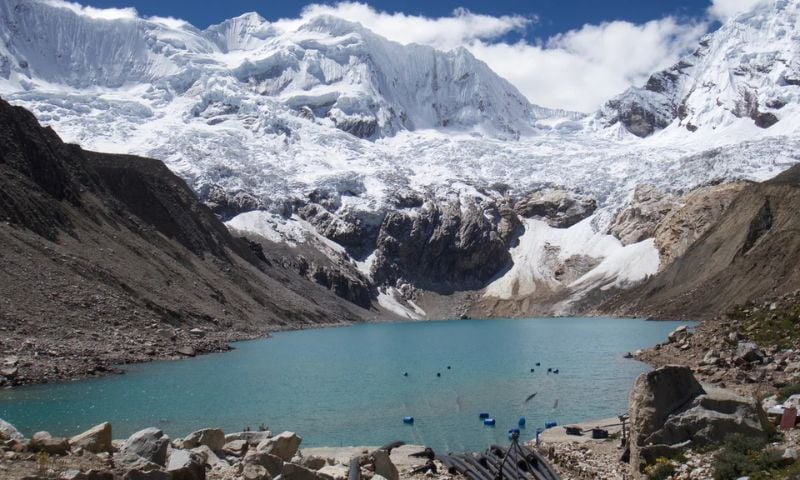
Australia is among the countries watching the developing conditions closely. Warmer oceans have already contributed to severe marine heatwaves, coral bleaching and ecological damage around the country.
While forecasts suggest the Great Barrier Reef may avoid the worst conditions this summer, southern Australia faces a higher risk of marine heatwaves.
“El Niño does not arrive in a vacuum,” Aréstegui said, pointing to deeper vulnerabilities including exposed housing, fragile water and sanitation systems and weak healthcare infrastructure.
The WMO expects the El Niño event to influence global weather patterns into at least February 2027, underscoring concerns that vulnerable communities could face a prolonged period of climate-related disruption.