
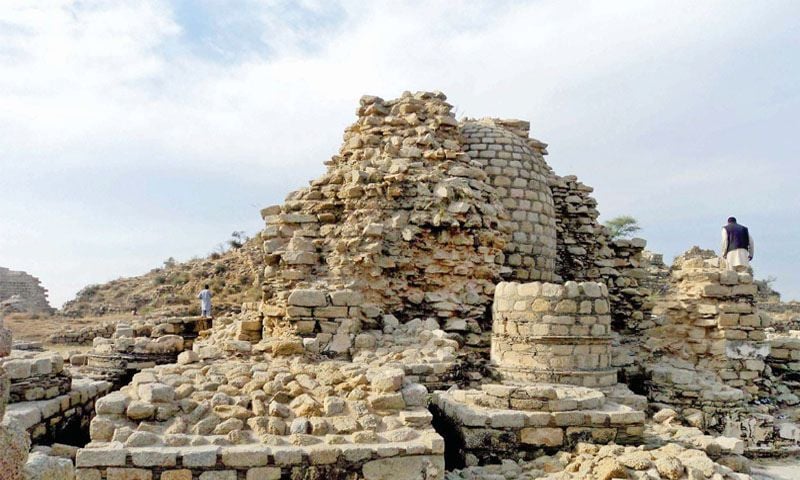



ISLAMABAD: UNESCO is set to include two key heritage sites of Pakistan, Rani Ghat in Khyber Pakhtunkhwa and the Port of Banbhore in Sindh, in its prestigious World Heritage List, as the country intensifies efforts to secure international recognition for its rich archaeological and cultural treasures.
The development came during a meeting between UNESCO Representative in Pakistan Fuad Pashayev and Pakistan’s Federal Minister for National Heritage and Culture Aurangzeb Khan Khichi, where Pakistan formally requested UNESCO’s facilitation for the inclusion of the two sites.
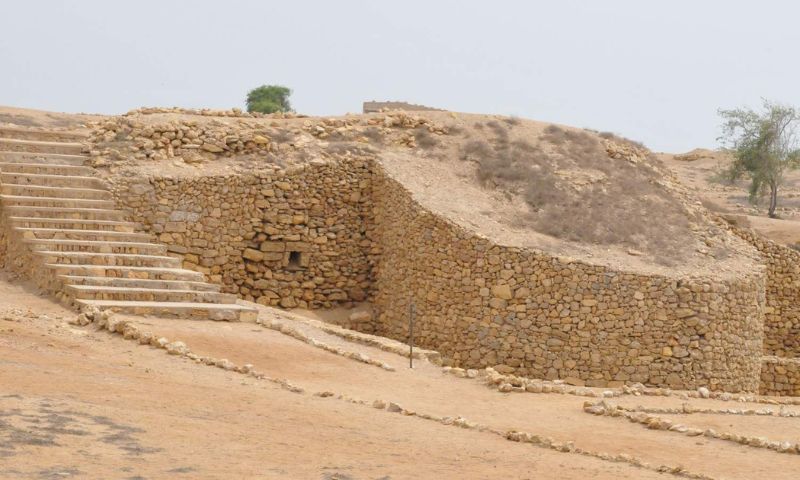
The UNESCO World Heritage Centre currently lists Pakistan’s Tentative List at 37 properties, including the Archaeological Site of Rani Ghat and the Port of Banbhore.
وفاقی وزیر برائے قومی ورثہ و ثقافت اورنگزیب خان کھچی سے یونیسکو کنٹری ہیڈ فوائد پاشایف نے اسلام آباد میں ملاقات کی۔
ملاقات میں پاکستان کے تاریخی و ثقافتی ورثے کے تحفظ اور عالمی سطح پر اجاگر کرنے کے امور پر تبادلہ خیال کیا گیا۔
وفاقی وزیر نے رانی گھاٹ اور بنبھور کو یونیسکو کی… pic.twitter.com/XqKLb5B5gy— PTV News (@PTVNewsOfficial) September 2, 2026
During the meeting, it was informed that a World Heritage Committee-related visit to Banbhore was expected to take place from September 6 to 11, 2026, and Secretary National Heritage and Culture Asad Rehman Gilani was also invited to join the delegation.
The Federal Minister sought UNESCO’s special assistance in advancing Pakistan’s heritage nominations and conservation efforts, stressing that several important archaeological and cultural sites required greater attention and international technical support.
Fuad Pashayev assured the Minister that UNESCO would provide all possible assistance and said the UNESCO office in Pakistan would continue to make heritage preservation and related matters a key priority. He said UNESCO remained committed to supporting Pakistan in preserving its heritage and culture.
The Minister also requested UNESCO’s assistance for the inclusion of four selected Pakistani foods and culinary traditions in the UNESCO Intangible Cultural Heritage framework. Pashayev asked the Ministry to share a list of the proposed food traditions so that they could be examined.
Pashayev highlighted the possibility of further research into an ancient trade and cultural route linking the Indus Valley Civilisation with regions extending through present-day Iran and Syria towards Mesopotamia. He noted similarities in archaeological materials and artefacts found along these ancient civilisations and suggested that the historical connections deserved further scholarly investigation.
The Federal Minister said Pakistan would consider organising a conference involving historians and archaeologists to examine the proposed ancient route and explore its historical significance.
Pashayev also appreciated Pakistan’s efforts to pursue joint and multinational nominations for inscription on UNESCO’s heritage lists, including cultural elements such as Rubab and Sitar.
Read Also: Pakistan’s Kalash Valleys Secure Place in UNESCO World Heritage Tentative List
Discussing UNESCO workshops and capacity-building activities, the Minister suggested that technical workshops currently being organised at specific archaeological sites should also be held in Islamabad so that relevant officials and technical experts from the federal government and all provinces could benefit.
The Minister further said Pakistan would formally invite UNESCO Director-General Audrey Azoulay to attend “Lok Mela,” Pakistan’s major cultural festival, as well as other cultural activities in the country.
Secretary Asad Rehman Gilani said Pakistan would host several major cultural activities during the coming year under its leadership of the Shanghai Cooperation Organisation (SCO) and the Economic Cooperation Organisation (ECO).
He said Lahore had been designated as a centre for SCO cultural activities and that Pakistan would organise multiple cultural events in the country and in collaboration with member states.
Read Also: Pakistan Strengthens Global Cultural Standing with Four New Khyber Pakhtunkhwa Sites on UNESCO List
The Minister also invited Mr. Pashayev to visit Shah Allah Ditta Caves and Mai Qamro Mosque. He said Shah Allah Ditta Caves were being developed for cultural tourism and were expected to be opened to visitors in the second week of October. Pashayev assured the Minister that he would make efforts to attend the event.
Mr. Pashayev appreciated Pakistan’s efforts to preserve its tangible and intangible heritage and said every one of the country’s 37 properties on the Tentative List had its own heritage value and significance. He stressed the importance of identifying ways to support the preparation and advancement of these sites.
Read Also: Pakistan’s Heritage And Diplomacy Intersect On World Heritage Day
He said UNESCO would continue to work with Pakistan on advocacy, technical engagement, communication and capacity building, adding that greater visibility and public awareness could help draw attention to the country’s important heritage sites.
Pakistan’s UNESCO World Heritage status
Currently, Pakistan has six permanent UNESCO World Heritage Sites, which include:
- Archaeological Ruins at Moenjodaro (1980)
- Buddhist Ruins of Takht-i-Bahi and Neighbouring City Remains at Sahr-i-Bahlol (1980)
- Taxila (1980)
- Fort and Shalimar Gardens in Lahore (1981)
- Historical Monuments at Makli, Thatta (1981)
- Rohtas Fort (1997)
In addition to these six permanent sites, Pakistan has 37 properties on the UNESCO Tentative List, which serve as potential candidates for future permanent inscription. These include the Archaeological Site of Rani Ghat, the Port of Banbhore, and other culturally and historically significant locations across the country.