Key points
- Agriculture borrowers rose by 115,000 since June
- EV deliveries more than tripled under PAVE
ISLAMABAD: Pakistan is expanding access to finance across housing, agriculture, small businesses, exports and electric vehicles as the government seeks to channel more credit towards productive investment and private-sector growth.
Khurram Schehzad, Adviser to the Finance Minister, said in a post on X that progress since June showed a shift from financial inclusion towards overall economic inclusion, with financing directed towards homes, farms, small and medium-sized enterprises (SMEs), exports and new technologies.
𝗣𝗿𝗼𝗴𝗿𝗲𝘀𝘀 𝗨𝗽𝗱𝗮𝘁𝗲: 𝗔𝗰𝗰𝗲𝘀𝘀 𝘁𝗼 𝗜𝗻𝗰𝗹𝘂𝘀𝗶𝘃𝗲 𝗙𝗶𝗻𝗮𝗻𝗰𝗲 — 𝗧𝘂𝗿𝗻𝗶𝗻𝗴 𝗦𝘁𝗮𝗯𝗶𝗹𝗶𝘁𝘆 𝗶𝗻𝘁𝗼 𝗢𝗽𝗽𝗼𝗿𝘁𝘂𝗻𝗶𝘁𝘆, 𝗜𝗻𝘃𝗲𝘀𝘁𝗺𝗲𝗻𝘁 & 𝗚𝗿𝗼𝘄𝘁𝗵 🇵🇰
Pakistan’s Access to Inclusive Finance agenda is about more than increasing lending. It… pic.twitter.com/RvUgnX4eHG
— Khurram Schehzad (@kschehzad) August 27, 2026
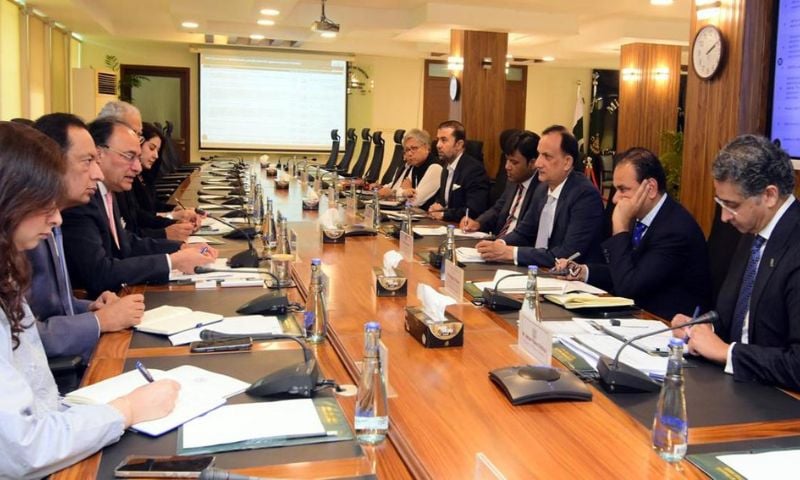
The figures were also reviewed by the government’s Access to Finance Steering Committee, chaired by Finance Minister Muhammad Aurangzeb on August 25. The committee said the initiatives were intended to strengthen productive investment, enterprise creation, home ownership, agricultural productivity and exports.
Under the Prime Minister’s “Apna Ghar” housing programme, applications increased 52 per cent since June to nearly 139,000, while approvals rose 84 per cent to more than 46,000.
Approved financing almost doubled from Rs 144 billion to Rs 279 billion by mid-August. Loans disbursed increased 59 per cent to more than 7,600, with disbursements exceeding Rs 38 billion.
Total housing finance in the country also increased from about Rs 294 billion at the end of June to Rs 307 billion by mid-August.
The government expects increased mortgage lending to support construction, building materials, allied industries, small businesses and employment.
Improved agriculture finance
Agricultural financing has also expanded the number of borrowers entering the formal financial system.
The number of agriculture borrowers increased by about 115,000 from 3.26 million at the end of June to 3.37 million by mid-August, with agricultural financing remaining around Rs 1.26 trillion.
Under Zarkhez-e, a programme providing collateral-free financing primarily for agricultural inputs, more than 58,000 farmers had registered.
Bank approvals rose 12 per cent to nearly 16,700, approved financing limits exceeded Rs 7.2 billion and loans disbursed increased 13 per cent to nearly 5,000.
SME financing stood at about Rs 1.05 trillion, covering approximately 330,000 businesses. The government is also testing new credit-scoring models across 13 banks to reduce reliance on traditional collateral-based lending and widen access to formal credit.
Officials have linked SME financing with longer-term investment, export refinancing and performance-based incentives. The government’s access to finance strategy aims at helping businesses expand production capacity, improve competitiveness and generate additional exports and foreign-exchange earnings.
Green finance is another part of the expansion. Under the Pakistan Accelerated Vehicle Electrification (PAVE) Programme, more than 83,000 applications had been received by mid-August, with about 15,800 approved and nearly 4,000 loans disbursed.
ALSO READ: Pakistan Eyes US Financing to Boost Invester Confidence: Finance Minister
Since June, PAVE approvals increased 24 per cent and loan disbursements rose 34 per cent. Electric vehicle deliveries more than tripled from 471 to over 1,500, according to the Finance Division.
The government has framed the measures as part of its broader Access to Finance Plan 2026–2028, which covers housing, agriculture, SMEs, information technology, exports and renewable energy.
The plan is being overseen through a steering committee and sector-specific mechanisms intended to monitor lending and resolve implementation bottlenecks.
Schehzad said the broader objective was to move capital towards productive activity and connect financing with investment, production, jobs and exports.
The push comes as Pakistan seeks to build on recent macroeconomic stabilisation and shift towards private-sector-led growth.
Schehzad has previously said the economy grew 3.7 per cent in fiscal year 2025-26, with the government seeking to translate improved economic stability into sustained expansion.
Pakistan’s economy has stabilised after years of external pressures, with growth reaching 3.7 per cent in fiscal 2025-26, alongside lower inflation, stronger reserves and fiscal consolidation in recent months