Key Point
- Washington prepares tougher sanctions targeting Iran’s economy
- Hormuz tensions add pressure on global oil markets
ISLAMABAD: In retaliation for the Trump Administration’s latest moves in the Middle East conflict, Iran warned countries against joining a US-led economic campaign against Tehran, saying any government that participates would be considered an enemy.
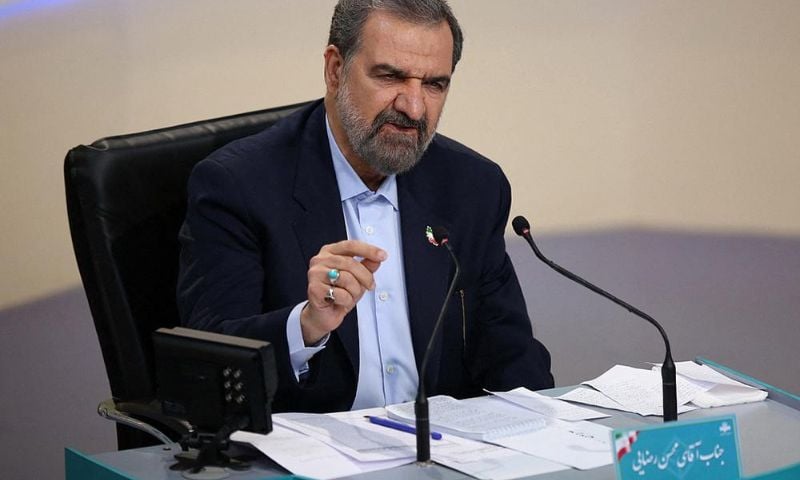
Mohsen Rezaei, Iran’s secretary of the Supreme National Security Council, said Tehran would respond to countries that joined Washington’s economic measures and warned that their interests could become targets.
The warning came in response to the United States’ preparations for a new round of sanctions aimed at putting further pressure on Iran’s already weakened economy.
US Treasury Secretary Scott Bessent said Washington would impose what he described as the “toughest sanctions in history.”
The sanctions would come with measures intended to intensify economic pressure on Tehran.
READ ALSO: Iran President Says Now Is ‘Best Time’ to Reach Agreement with US
President Donald Trump has also warned countries against supporting Iran, signalling that Washington could extend the campaign beyond Iran itself.
Iran war background
The confrontation began on February 28, when the United States and Israel launched major airstrikes on Tehran, triggering a regional war after months of escalating tensions over Iran’s nuclear programme and regional security.
The strikes targeted Tehran’s military and government facilities and killed Supreme Leader Ayatollah Ali Khamenei, according to conflict monitoring and international reporting. Iran responded with missile and drone attacks against Israel, US forces and American allies across the region.
The conflict has since developed into a prolonged confrontation involving military strikes, economic sanctions, attacks on shipping and repeated attempts at diplomacy.
The Strait of Hormuz has become one of the central pressure points. The strategic waterway carries a major share of the world’s seaborne oil and gas exports. Iran has severely restricted shipping through it during the conflict. US naval blockade of Iran has intensified shipping restrictions and supply disruptions.
The disruption has pushed up energy and transport costs and increased concerns about inflation in countries dependent on imported fuel.
A Pakistan-mediated ceasefire could not be sustained, and subsequent diplomatic efforts rallied by other countries as well have failed to produce a durable settlement.
Washington is now shifting greater emphasis towards economic pressure, seeking to isolate Iran financially and restrict its oil revenues.
Tehran, for its part, has threatened to respond militarily to new sanctions and has warned regional governments against assisting the US campaign.
The standoff has implications for the global economy and international energy security because China remains a major buyer of Iranian oil. Apparently, tougher US measures against Tehran and its trading partners could also strain Washington’s relations with Beijing.
China also objected to the US move, saying additional sanctions and pressure would not help settle the wider Middle East crisis. Washington has been urging other governments, including Beijing, to support efforts aimed at isolating Iran’s economy.
“China calls on all relevant parties to take responsible measures and resolve the problem through political and diplomatic means,” Chinese foreign ministry spokesman Lin Jian told reporters in a recent briefing. “Sanctions and pressure will not help resolve the issue,” he maintained.
At the same time, continued uncertainty over Hormuz threatens global energy supplies and keeps oil markets highly sensitive to developments in the conflict.
Meanwhile, President Masoud Pezeshkian has called for a diplomatic solution, but negotiations remain stalled, leaving the region facing the prospect of prolonged military and economic confrontation.
“It is better that we bring the war to an end now as we are in a position of power and dignity, and the whole world acknowledges our victory and emphasises that America has attacked our schools, hospitals and infrastructure in violation of all regulations and is hated around the world,” he said while addressing the medical community.
The perpetrators and instigators of these sanctions are deserving of trial and punishment for committing such heinous crimes,” he added.