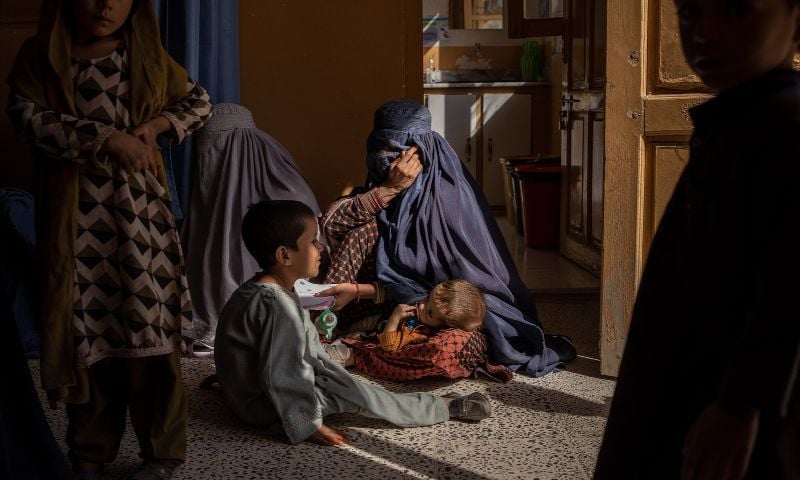
KABUL, Afghanistan: Afghanistan is facing a rapidly worsening hunger crisis under the Taliban regime, with children dying from severe malnutrition amid a decline in humanitarian aid, the World Food Programme (WFP) said, warning that child mortality is expected to rise further in the coming months.
John Aylieff, the WFP’s country director for Afghanistan, said in an article titled “Afghanistan is starving and the world is looking away” published in the British magazine Prospect that his teams have been forced to turn away everyone seeking assistance at nutrition centres for the past three months because no food is available.
"Children in Afghanistan are already dying as a result of aid cuts"
In a deeply personal account, John Aylieff, @WFP_Afghanistan Country Director, describes the devastating human cost of hunger and funding cuts.
Read the article in Prospect Magazine: https://t.co/dSeFLoxBY7
— WFP Asia Pacific (@WFPAsiaPacific) August 19, 2026
According to the WFP’s Afghanistan director, funding cuts, recent extreme weather events and tensions in the Middle East, which also disrupted the Strait of Hormuz, have further worsened the country’s already dire humanitarian situation.
Afghanistan’s WFP programme is now only 12% funded, Aylieff said, adding that the United Kingdom recently cut its foreign aid budget by 39%, forcing the agency to suspend lifesaving initiatives, including its famine-prevention program.
“Children in Afghanistan are already dying as a result of aid cuts,” Aylieff wrote. “We are bracing ourselves for a further increase in child mortality in the coming months.”
“I find it unconscionable that the international community cannot find the money to—at the very least—feed acutely malnourished children who are on the brink of starving to death,” he added.
Growing hunger in Afghanistan
Aylieff also described the growing desperation among families unable to afford food. WFP’s complaints and concerns hotline receives about 140,000 calls annually, while emergency calls from women increased by 60% between June and December last year, he said.
In one case, Aylieff said, a woman who was skipping meals to feed her children was considering giving her 12-year-old daughter to a 40-year-old man in a forced marriage. In another case, a father reportedly sold one of his kidneys to buy food for his family.
Aylieff said WFP had not previously witnessed such a level of desperation.
The warning comes as Afghanistan continues to face one of the world’s largest humanitarian crises under the Taliban rule.
Millions of people are struggling to meet basic needs amid prolonged economic hardship, recurring natural disasters, and reduced international assistance.
Nearly 22 million people in Afghanistan require humanitarian assistance this year, according to the UN, with women and children among the most vulnerable.