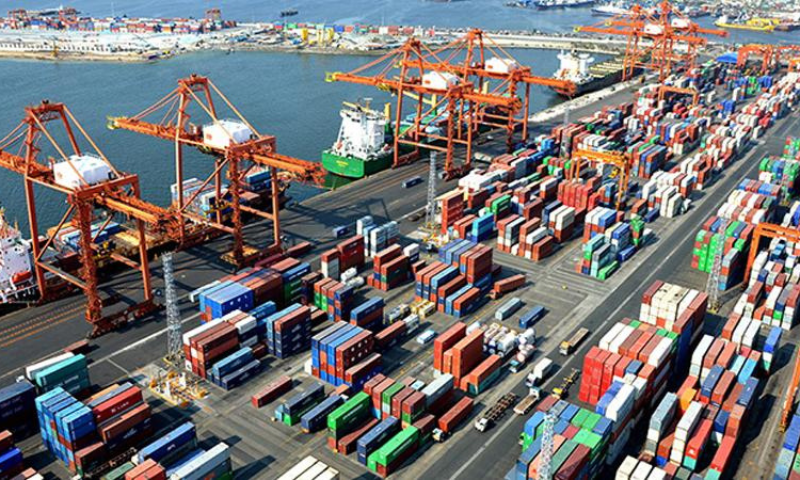
ISLAMABAD: Pakistan is set to establish a 400-acre export-oriented garment city at Port Qasim, with the first phase expected to create more than 138,000 jobs and generate annual exports of around $2.2 billion.
The project is aimed at expanding high-value apparel manufacturing, attracting private investment and strengthening Pakistan’s export base.
The garment city will be developed under a public-private partnership, with the first phase covering 250 acres.
Around 35% of the area will be allocated for internal roads, utilities and green spaces. The commercial plan currently includes 32 industrial plots of five acres each, although the plot size could be reduced to two or three acres to accommodate more investors and manufacturing units.
The Port Qasim Authority will provide infrastructure and utility services for the industrial zone.
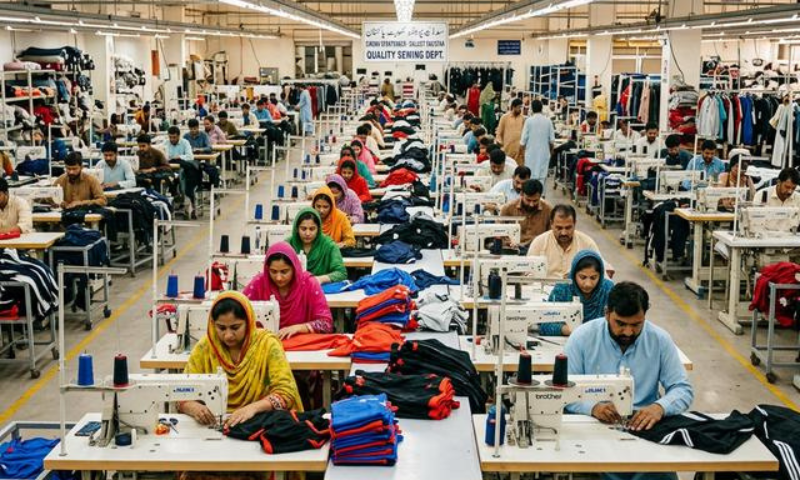
Each industrial unit is planned to have access to up to 400,000 gallons of water a day, two megawatts of grid electricity and 23,100 pounds of industrial gas per day at eight PSI, enough to support requirements for about 10 tonnes of steam.
At the overall project level, planned capacity includes 13 million gallons of water per day, 64MW of grid electricity and 750,000 pounds of industrial gas per day.
Private Investment
Private-sector investment will play a central role in the project.
Pakistani textile and denim manufacturer Artistic Milliners is set to establish a manufacturing unit with an investment of more than $18 million. The facility will incorporate vertical integration and green technologies.
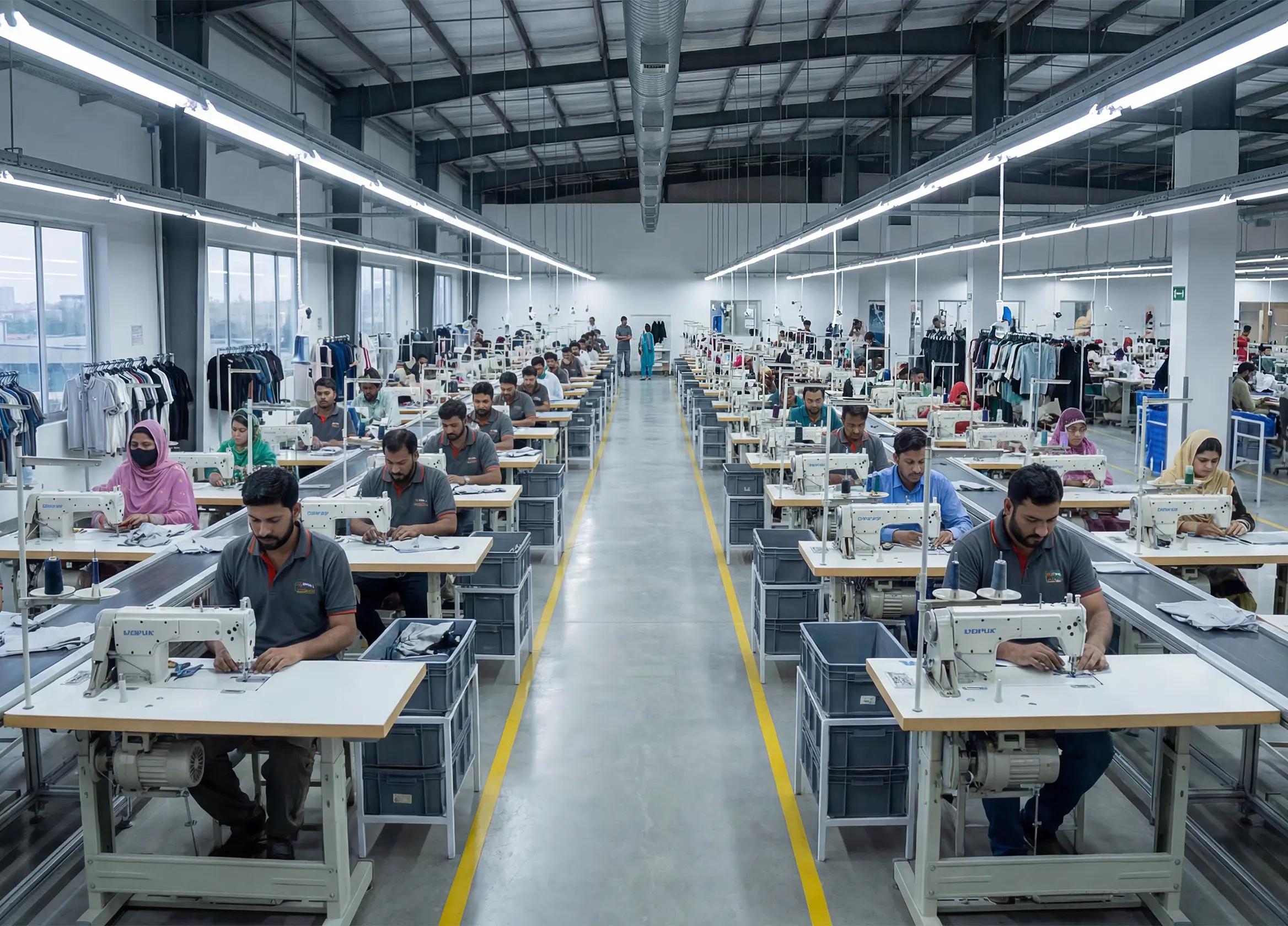
The proposed garment city will also provide exporters with a one-window mechanism covering export processing, specialised customs services and dedicated transport corridors.
The measures are intended to reduce logistical delays, streamline trade procedures and improve the competitiveness of Pakistani apparel manufacturers.
Jobs And Higher-Value Exports
According to projections presented at a meeting on the project, the first phase is expected to generate 138,125 jobs and annual exports of approximately $2.2 billion.
The initiative also aims to raise Pakistan’s average garment export value to around $8 per piece, reflecting a shift towards higher-value apparel production rather than traditional low-value textile exports.
The project brings port infrastructure, industrial utilities, customs facilitation and private investment together in a single export-oriented manufacturing cluster, with the government seeking to expand employment and significantly increase Pakistan’s apparel exports.