ISLAMABAD: Pakistan will assume the presidency of the United Nations Conference on Disarmament (CD) in Geneva from August 17, marking another significant recognition of the country’s role in multilateral diplomacy and global arms-control efforts.
Diplomatic sources said Pakistan would take charge of the final presidency of the Conference’s 2026 session, which is scheduled to continue until September 11.
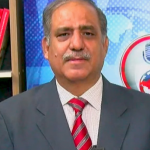
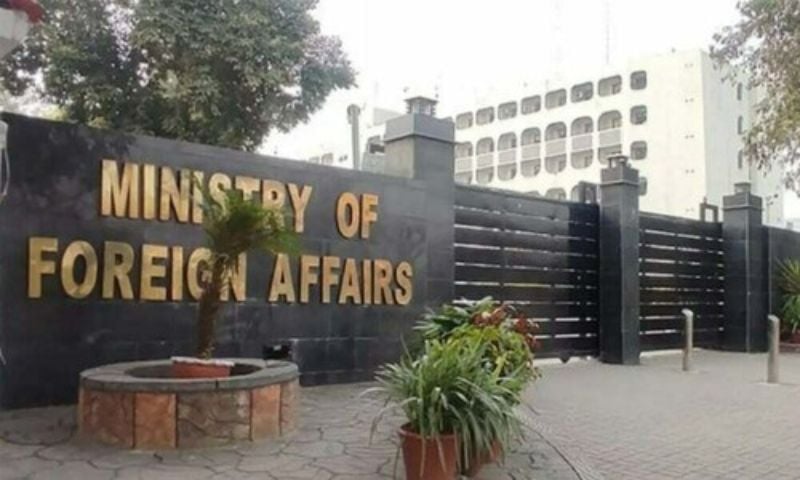
Foreign Office Spokesperson and Head of the Arms Control, Disarmament and International Security (ACDIS) Division, Ambassador Tahir Hussain Andrabi, will serve as President of the Conference during the concluding phase of its current session.
Ambassador Andrabi, who is also Pakistan’s Permanent Representative-designate in Geneva, is expected to travel to Geneva next week to chair key meetings of the Conference. He will continue to perform his responsibilities as Foreign Office spokesperson during the period.
Key global disarmament forum
The Conference on Disarmament is the world’s principal multilateral forum dedicated to negotiations on disarmament and arms control.
Based at the United Nations Office in Geneva, the Conference comprises 65 member states, including the world’s nuclear-armed countries. Its agenda covers some of the most critical issues confronting international security, including halting the nuclear arms race, preventing nuclear war and preventing an arms race in outer space.
The Conference and its predecessor bodies have played an important role in developing major international arms-control and disarmament agreements, including the Biological Weapons Convention, Chemical Weapons Convention and Comprehensive Nuclear-Test-Ban Treaty.
Its proceedings therefore have a direct bearing on international peace, strategic stability and the security interests of states across the world.
Pakistan faces key diplomatic task
As the final president of the Conference’s 2026 session, Ambassador Andrabi will have the important responsibility of guiding deliberations on the Conference’s annual report to the United Nations General Assembly.
The report serves as the consensus document through which the Conference presents an account of its work to the wider UN membership.
Pakistan’s delegation in Geneva will also play a key role in negotiations concerning the corresponding Conference on Disarmament resolution before the UN General Assembly’s First Committee in New York.
Diplomatic sources said successfully steering both processes would require Pakistan to reconcile the often divergent positions of all 65 member states, including nuclear-armed countries.
The responsibility is expected to require sustained diplomatic engagement, consensus-building and careful negotiations on issues involving some of the world’s most sensitive security concerns.
Presidency comes amid emerging security threats
Pakistan’s assumption of the presidency comes at a time of growing concern over emerging technologies and their potential impact on international peace and security.
Among the issues attracting increasing attention are the military applications of artificial intelligence and other advanced technologies, which are creating new challenges for existing arms-control frameworks.
READ ALSO: Pakistan Assumes UN Security Council Presidency, Reaffirms Commitment to Multilateralism
Pakistan has advocated bringing such emerging security questions into multilateral discussions and has consistently called for arrangements that ensure equal and undiminished security for all states.
Islamabad has been an active participant in the Conference on Disarmament since its establishment in 1979 and has continued to support multilateral approaches to arms control, disarmament and international security.
During its presidency, Pakistan is expected to work with all member states to facilitate the successful conclusion of the 2026 session and reinforce the Conference’s role as a central pillar of the international disarmament system.
Pakistan’s latest diplomatic responsibility is also being viewed as an opportunity for Islamabad to demonstrate its ability to facilitate dialogue among states with competing strategic interests and contribute to efforts aimed at strengthening global peace and security.