ISLAMABAD: Pakistan is facing a growing HIV challenge, with repeated outbreaks among children linked to unsafe healthcare practices, including the reuse of syringes and intravenous equipment and inadequate blood-safety measures, raising concerns over infection control in parts of the country’s health system.
UNAIDS said Pakistan has an estimated 350,000 people living with HIV, highlighting the scale of the country’s growing HIV challenge.
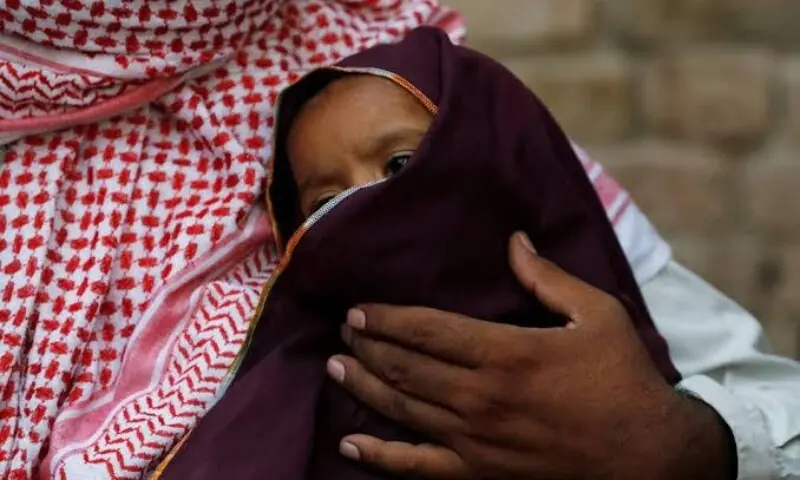
The problem has been documented in several outbreaks involving children. The World Health Organisation (WHO) says children were exposed to HIV through unsafe injections and blood transfusions in outbreaks reported in Shaheed Benazirabad, Hyderabad, Naushahro Feroze, Pathan Colony, Taunsa, Mirpur Khas, Jacobabad, Shikarpur and Larkana. In several of these outbreaks, more than 80% of detected cases involved children.
Unsafe Healthcare Practices
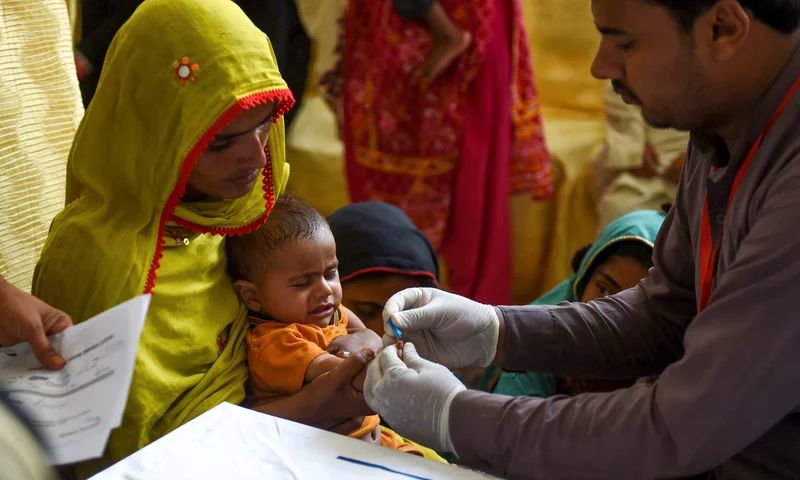
Health experts say unsafe injections remain a major concern because HIV can be transmitted through contaminated syringes, intravenous equipment and unsafe blood transfusions.
A WHO investigation into the 2019 Larkana outbreak found that 876 people tested positive for HIV, including 719 children. Investigators identified unsafe healthcare practices as the most likely cause, including reuse of syringes and drip sets, unsafe blood transfusions and inadequate infection-control procedures.
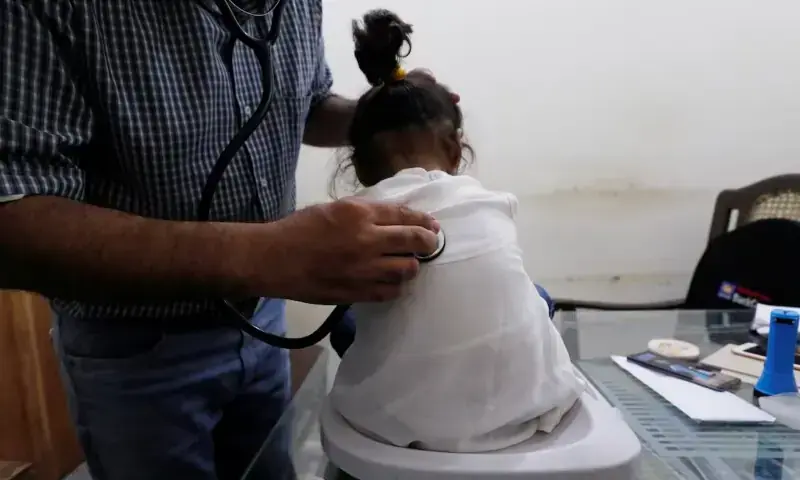
WHO has also warned that unsafe injections have contributed to repeated outbreaks of HIV, hepatitis B and hepatitis C in Pakistan, with excessive injection use, inadequate awareness and weak infection-control practices among the factors behind the problem.
The risks are particularly serious for children who repeatedly visit healthcare facilities for routine illnesses. Instead of being exposed to HIV through the commonly known routes of sexual transmission or mother-to-child transmission, some children have contracted the virus through medical procedures that should have been safe.
Why People Remain Vulnerable
The continuing outbreaks reflect wider weaknesses in Pakistan’s healthcare system, including inadequate infection-control practices, gaps in the regulation of private and informal healthcare providers, unsafe disposal of medical waste and limited access to reliable testing and treatment.
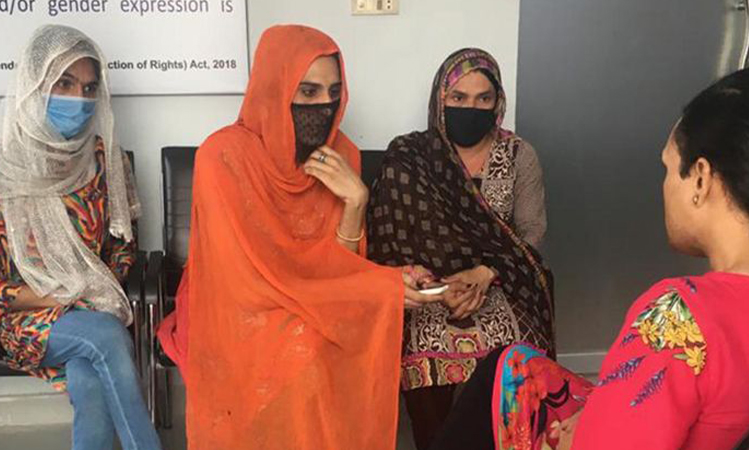
WHO and UNAIDS said in 2025 that only 38% of children aged 0-14 living with HIV in Pakistan were receiving treatment, while only 14% of pregnant women requiring treatment to prevent mother-to-child transmission were receiving it.
Limited awareness also contributes to the problem. WHO has identified unsafe injections, contaminated needles and syringes, unsafe blood transfusions and unsterile medical procedures among established routes of HIV transmission.
Government And International Response
Pakistan operates a National AIDS Control Programme alongside provincial AIDS control programmes, with efforts focused on HIV testing, prevention, treatment and support for people living with HIV.
The federal Ministry of National Health Services says the National AIDS Control Programme has secured international funding for HIV interventions and has worked on expanding testing, linking people living with HIV to healthcare and reducing stigma and discrimination.
The government also works with international partners, including the Global Fund, UNDP, WHO and UNAIDS. The Global Fund has provided substantial support for Pakistan’s HIV, tuberculosis and malaria programmes, while an ongoing UNDP-implemented HIV project for 2025-2027 is focused on key populations and high-risk areas.
Following previous outbreaks, authorities have also introduced infection-prevention measures. In Sindh, for example, the response to the Larkana outbreak included the establishment of a dedicated HIV testing and antiretroviral treatment clinic, a province-wide infection-prevention programme, safe-injection policies and training for hospital staff.
WHO said further efforts were needed to extend such measures to private practitioners and informal healthcare providers.
Treatment And Prevention Gaps
Despite these programmes, major gaps remain in identifying infected people and ensuring that those diagnosed remain on treatment.
Antiretroviral therapy can suppress HIV and allow people living with the virus to live longer, healthier lives. Early diagnosis and sustained treatment are also essential to reducing transmission.
The challenge for Pakistan is therefore not simply the availability of HIV medicines or international funding, but ensuring that prevention measures reach health facilities, blood banks, private clinics and communities where unsafe practices can expose patients to infection.
Repeated outbreaks among children have highlighted the need for stronger regulation, infection-control enforcement, safe injection practices, blood screening, wider testing and uninterrupted treatment services if Pakistan is to contain the spread of HIV.