ATHENS: Firefighting aircraft returned to the skies over Greece on Monday after strong winds subsided, providing crucial support to hundreds of emergency personnel battling a series of devastating wildfires that have claimed five lives and destroyed vast areas of forest and farmland.
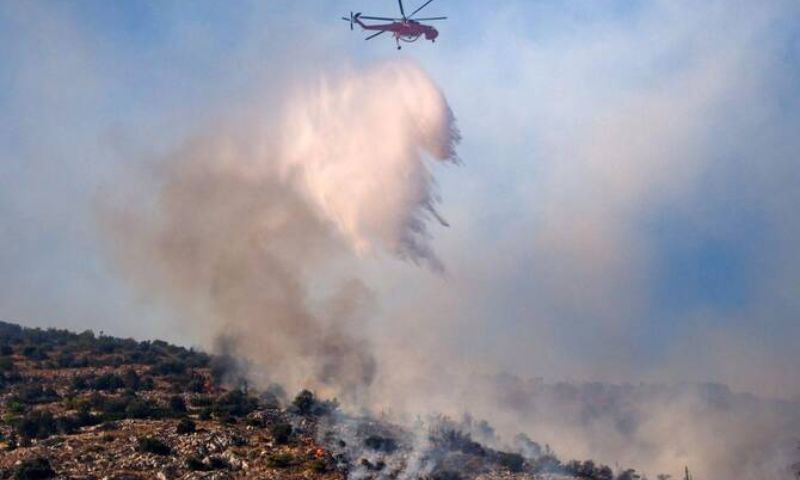
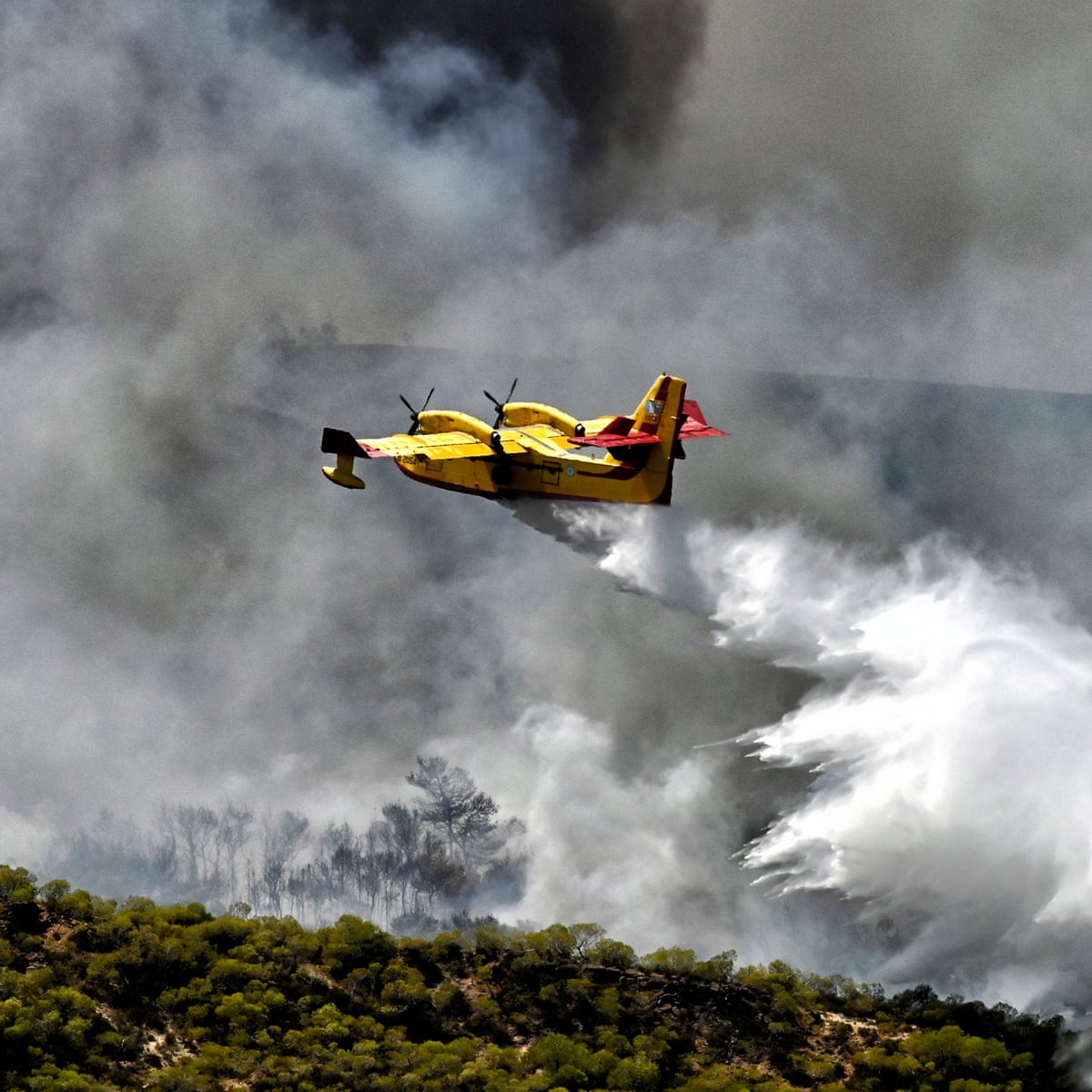
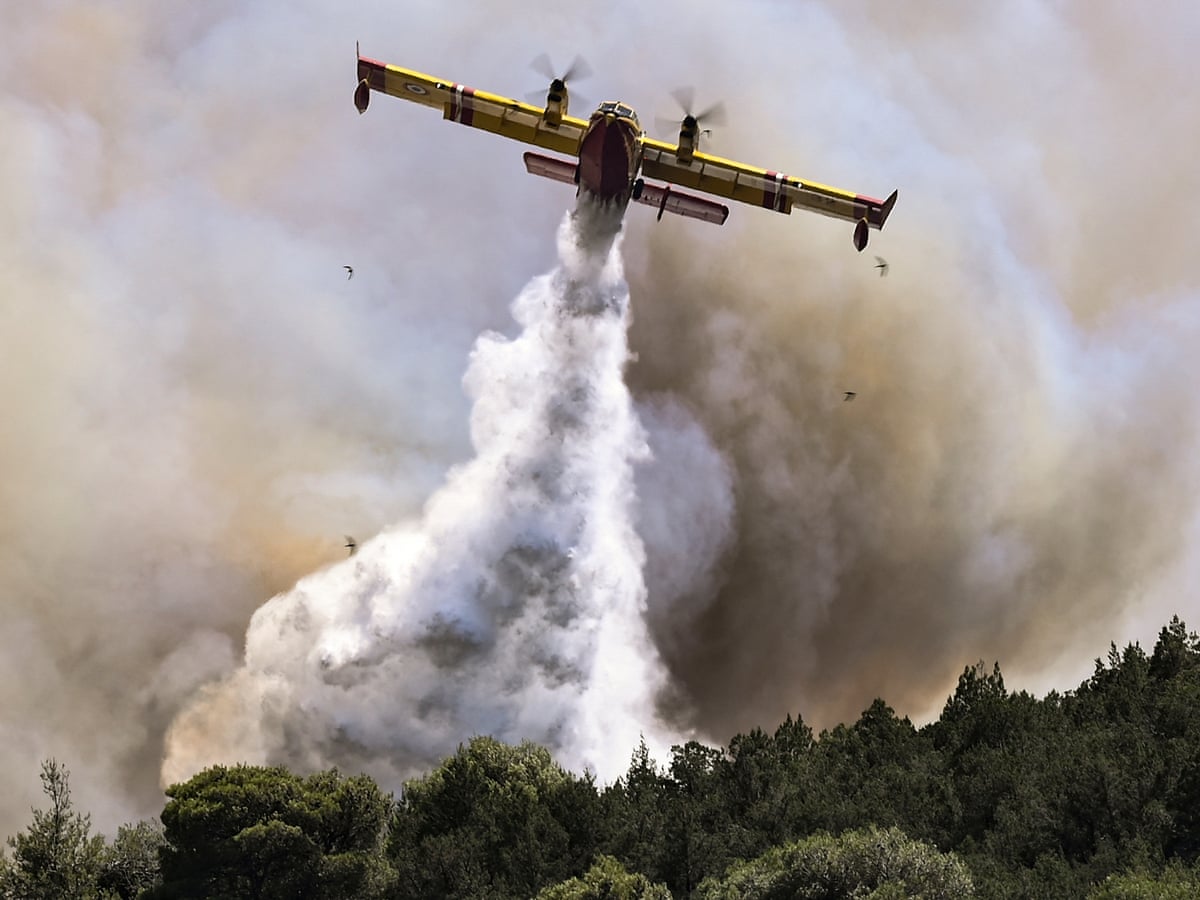
Authorities said aerial operations resumed early in the day, with nine water-bombing aircraft and nine helicopters joining around 450 firefighters tackling major wildfire fronts in the regions of Boeotia and Attica, west of Athens.
According to the Greek Fire Service, the most critical blazes remain in Psatha, Kryo Pigadi and Kandyli, located roughly 45 to 70 kilometres from the capital. Improved weather conditions allowed aircraft to return to service after several days of suspension caused by powerful winds that had made flying too dangerous.
As flames continued to spread, Greece’s Civil Protection Agency ordered fresh evacuations in villages near Kandyli to safeguard residents. Deputy Minister for Civil Protection and Climate Crisis Kostas Katsafados described the situation as extremely challenging, saying firefighters continued to face an uneven battle against fast-moving fires fuelled by prolonged heat and dry conditions.
The wildfires have so far claimed five lives. On Sunday, two Bell firefighting helicopters collided during operations near Psatha, killing a Danish pilot and a Greek co-pilot. The accident came just days after three firefighters lost their lives while battling separate wildfires in Crete and the Peloponnese.
Local media reported that a British pilot and a Greek co-pilot aboard the second helicopter survived the collision but sustained injuries and were taken to hospital.
Pending the outcome of an official investigation, Greek authorities have grounded all Bell helicopters involved in firefighting operations. The aircraft are part of a fleet leased from Australia’s McDermott Aviation, which has supported Greece’s wildfire response for the past seven years.
Prime Minister Kyriakos Mitsotakis warned that the country faces “extremely difficult” days ahead, with high temperatures and dry weather expected to keep wildfire risks elevated.
READ ALSO: More Than 220,000 Evacuated as Wildfires Rage Across France and Spain
Data from the European Union’s Copernicus Earth observation programme, cited by local media, indicates that more than 12,000 hectares of forests and agricultural land have been destroyed during the past week alone.
Scientists have repeatedly linked the growing frequency and intensity of wildfires across Greece and the wider Mediterranean region to climate change, with prolonged heatwaves and drought creating ideal conditions for rapidly spreading fires.
Meanwhile, police have arrested two employees of an electricity utility company after investigators suggested that one of the fires may have been triggered by an electrical cable near the coastal village of Porto Germeno on Friday.
At the height of the summer tourist season, authorities have maintained a very high wildfire alert, placing Attica and neighbouring Boeotia at Level 4 on Greece’s five-tier fire danger scale.