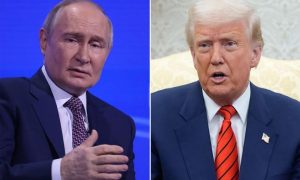
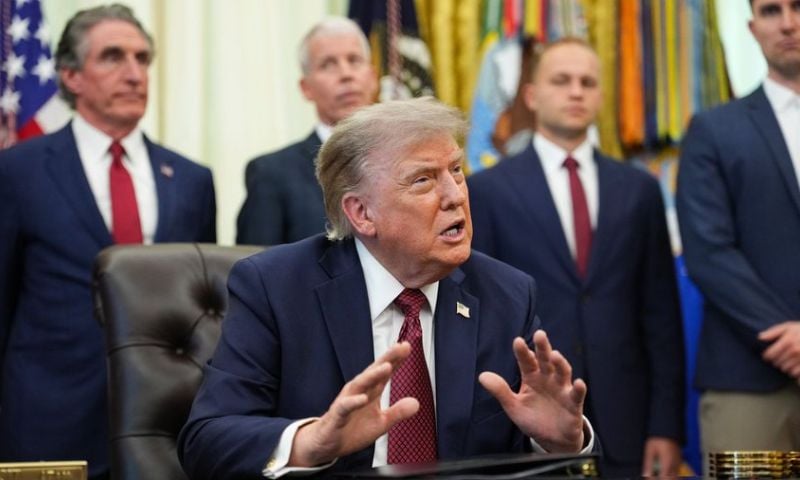
WASHINGTON: US President Donald Trump dismissed a question linking China and Pakistan to alleged weapons supplies to Iran, reiterating that Chinese President Xi Jinping had personally assured him Beijing would not provide arms to Tehran.
The remarks came after reports claimed Iran could receive Chinese-made QW-12 and FN-16 man-portable air defence systems (MANPADS), with some reports alleging Pakistan could serve as a transit route.
Responding to a question on the reports, Trump said he had received direct assurances from Xi that China would not supply weapons to Iran.
“He told me very strongly he wouldn’t partake,” Trump said when a journalist asked about reports linking China to alleged arms supplies to Iran.
“Yeah, please. He’s coming here,” Trump added, referring to Chinese President Xi Jinping’s expected visit.
Trump dismissed a question linking China and Pakistan to alleged weapons supplies to Iran #Pakistan #MiddleEast #Diplomacy #Peace #Iran #USA #IslamabadMoU #DeEscalation #RegionalStability #Negotiations pic.twitter.com/dGhz3cXElh
— Sajjad Tarakzai (@SajjadTarakzai) July 30, 2026
China Rejects Allegations
Beijing has rejected the allegations, describing reports of Chinese weapons transfers to Iran as baseless.
Chinese officials have repeatedly maintained that the country supports dialogue and a political settlement to regional disputes and opposes actions that could escalate tensions in the Middle East.
Pakistan Says It Continues Diplomatic Efforts to Ease Middle East Tensions
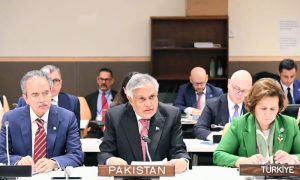
Pakistan says it has continued diplomatic engagement with regional and international stakeholders aimed at reducing tensions in the Middle East, while maintaining that dialogue remains the only viable path to lasting peace.
According to Pakistani officials, Islamabad has used diplomatic channels to encourage communication between the United States and Iran during periods of heightened tensions. Pakistan has consistently maintained that it seeks to facilitate de-escalation while avoiding involvement in military confrontation.
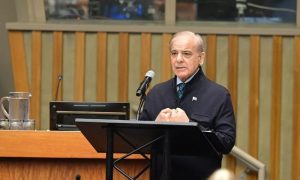
Pakistan played a central neutral role in facilitating the June 2026 US-Iran peace agreement through discreet backchannel diplomacy involving Prime Minister Shehbaz Sharif and Army Chief Field Marshal Asim Munir.
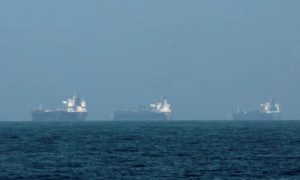
Leveraging its close ties with both Tehran and Washington, Islamabad helped advance a ceasefire, secure the Islamabad Memorandum of Understanding (MoU), and support efforts to end hostilities and reopen the Strait of Hormuz.
Since the agreement, Pakistan has continued diplomatic engagement to preserve the fragile peace while balancing regional stability, economic challenges and its neutral position between Iran and the US.