
Key Points
- Delegation visits WAPDA headquarters in Lahore
- Four projects to add 10 MAF water storage
- Hydropower schemes to contribute 10,000 MW
ISLAMABAD: A delegation from Pakistan’s Balochistan province visited WAPDA headquarters in Lahore, where officials outlined the country’s flagship water and hydropower projects and stressed their importance for long-term water, food and energy security.
The delegation visited WAPDA House in Lahore, where officials outlined the authority’s development plans and discussed the challenges facing the country’s water sector, including climate change and growing pressure on shared river resources.
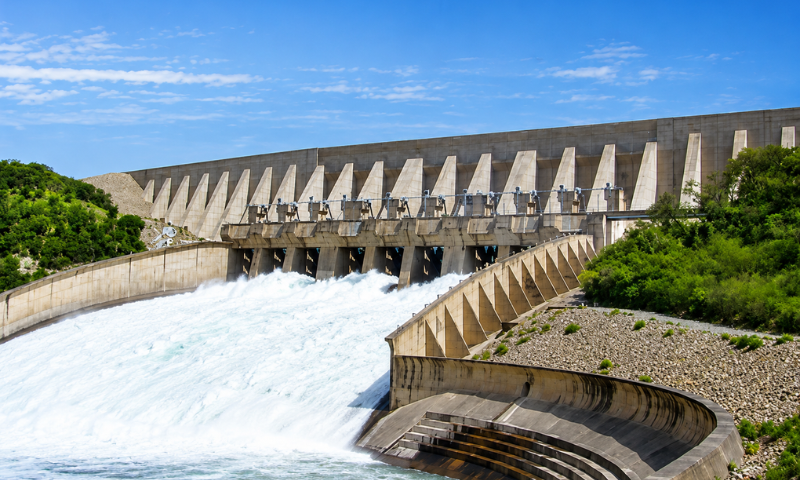
WAPDA said it is currently constructing the Diamer Basha Dam, Mohmand Dam, Dasu Hydropower Project and the fifth extension of the Tarbela Hydropower project.
Together, the projects are expected to add approximately 10 million acre-feet of gross water storage capacity and generate around 10,000 megawatts of hydropower for the national grid.
Officials also briefed the delegation on the country’s water management. They were briefed on the impact of climate change and concerns surrounding the future of the Indus Waters Treaty, the 1960 agreement governing the use of rivers shared by Pakistan and India.
During an interactive session, WAPDA Chairman Lt Gen (retd) Muhammad Saeed said water security was increasingly vulnerable to climate-related risks and required a coordinated national response.
He stressed the need for additional water reservoirs to support the country’s agricultural and energy requirements and outlined factors that have historically slowed the development of water infrastructure.
Saeed also explained WAPDA’s mandate following reforms implemented in 2007, when the country restructured the authority and transferred several electricity-related functions to separate entities.
Pakistan most vulnerable to climate change
Pakistan is among the countries considered most vulnerable to climate change. The scientists warned that rising temperatures, erratic monsoon rainfall and accelerated glacial melt could exacerbate water shortages and increase the frequency of extreme weather events.
The Indus River system underpins one of the world’s largest irrigation networks. It is vital to Pakistan’s agricultural economy, making the expansion of water storage and hydropower infrastructure a strategic priority.