Key Points:
- Upgrades aim to cut fuel import dependence
- Euro-5 fuels to replace lower-quality products
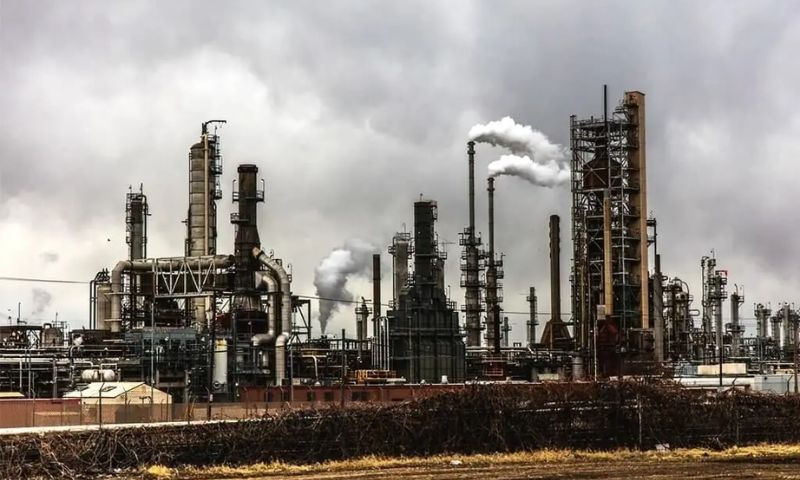
ISLAMABAD: Pakistan has approved amendments to its Pakistan Oil Refining Policy 2023 aimed at modernising existing oil refineries, reducing dependence on imported fuels and improving environmental standards, Prime Minister Shehbaz Sharif said on Tuesday.
Chairing a meeting of the Cabinet Committee on Energy, Sharif said upgrading the country’s refineries was critical for strengthening energy security and ensuring the supply of cleaner fuels.
The amendments focus on brownfield refineries and are intended to facilitate the production of Euro-5-compliant petrol and diesel. The country plans to replace lower-quality petroleum products and reduce furnace oil output, according to an official briefing presented during the meeting.
Pakistan’s Brownfield Refining Policy
The Brownfield Refinery Policy 2023 was introduced to encourage modernisation of Pakistan’s existing refineries and attract around $6 billion in investment for upgrades. The projects are designed to enable production of Euro V-compliant petrol and diesel, reduce furnace oil output, improve environmental standards, and strengthen national energy security.
Officials told the committee that expanding and modernising existing refineries would increase domestic production capacity. It would also help the country meet international environmental commitments by lowering air pollution and improving fuel quality.
Sharif directed authorities to ensure the timely implementation of the revised policy, warning that delays or negligence would not be tolerated. He also called for reforms at the Oil and Gas Regulatory Authority to enhance competition, transparency and investment across the energy sector.
The prime minister instructed relevant ministries to maintain close coordination with industry stakeholders. He also ordered roadshows in Qatar, Saudi Arabia and other Gulf countries to promote investment opportunities under the revised refining policy.
The government would increase the country’s strategic petroleum reserves, underscoring the need to strengthen the country’s preparedness for potential supply disruptions, he added.
Pakistan imports a significant portion of its petroleum requirements, making it vulnerable to fluctuations in global energy markets.
The government has in recent years sought to modernise its ageing refining infrastructure to produce cleaner transport fuels and reduce reliance on imported refined products.